


Blog
Database Concept
BigQuery vs Redshift: Key Differences & Performance
Compare BigQuery vs Redshift across pricing, performance, scalability, and architecture. Find the best cloud data warehouse for your analytics needs.
Data Lakehouse
Top 5 snowflake competitors ( Alternatives ) of 2026
Discover the top Snowflake competitors and alternatives. Compare features, pricing, performance, and use cases of leading cloud data warehouse platforms.
Cybersecurity AI/ML
7 Key Benefits of AI in Cybersecurity
Discover the top 7 benefits of AI in cybersecurity, including threat detection, automated response, fraud prevention, predictive analytics, and security automation.
Query your table as a graph.Petabytes. Subsecond. No data movement.
Graph Algorithm
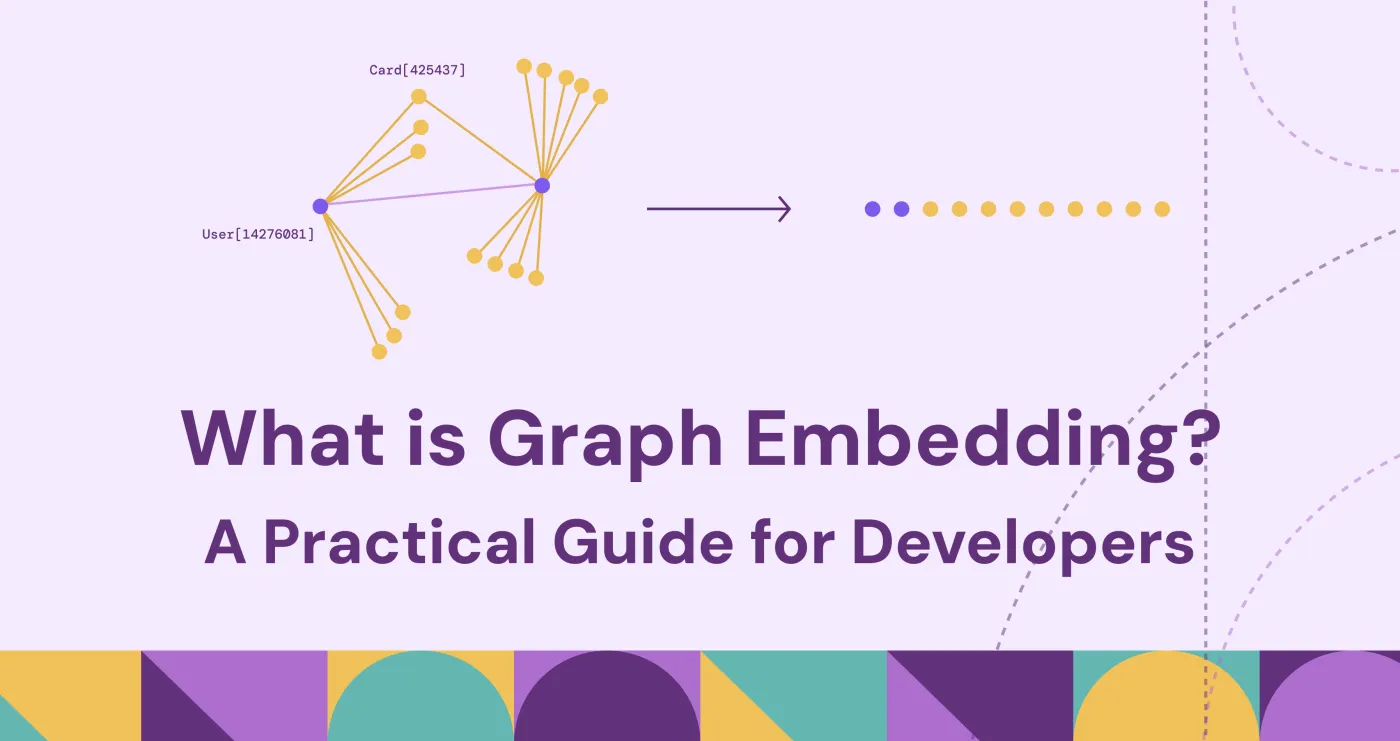
What is Graph Embedding? A Practical Guide for Developers
Explore the power of Graph Embedding as we explore its fundamentals, techniques, and diverse applications in fields like social network analysis and bioinformatics.
Graph Database
Databricks Graph Database: The Ultimate Guide
Unlock deeper data insights with Databricks Graph Database. Discover how Databricks' powerful platform integrates graph databases to enhance connectivity, performance, and real-time analytics for your data-driven decisions.
AI/ML
Agent Workflow Memory: Architecture & Types
Learn how agent workflow memory works in AI systems, including types, architecture, and best practices for building context-aware intelligent agents.
Knowledge Graph
Databricks Knowledge Graph: Everything You Need To Know
Unlock the power of data connectivity with Databricks Knowledge Graphs. Discover how integrating knowledge graphs into your Databricks workflows can enhance data insights.
Graph Database
ArangoDB vs Neo4j : Key Differences & Comparison
Arangodb vs Neo4j compared: discover key differences in features, performance, and deployment. See which graph database is the best choice for your workload.
Knowledge Graph Ontology
Palantir Ontology: Architecture & Benefits
Learn what Palantir ontology is, how it works, and why it powers modern data systems. Explore architecture, use cases, and comparisons.
Cybersecurity Data Modeling
Code Security: Best Practices & Common Vulnerabilities
Learn what code security is, why it matters, common vulnerabilities, and the best practices and tools to secure your software development process.
Graph Database
Janusgraph vs Neo4j : Key Differences & Comparison
Janusgraph vs Neo4j compared: Discover key differences in features, performance, and deployment. See which graph database is the best choice for your workload.
Graph Database
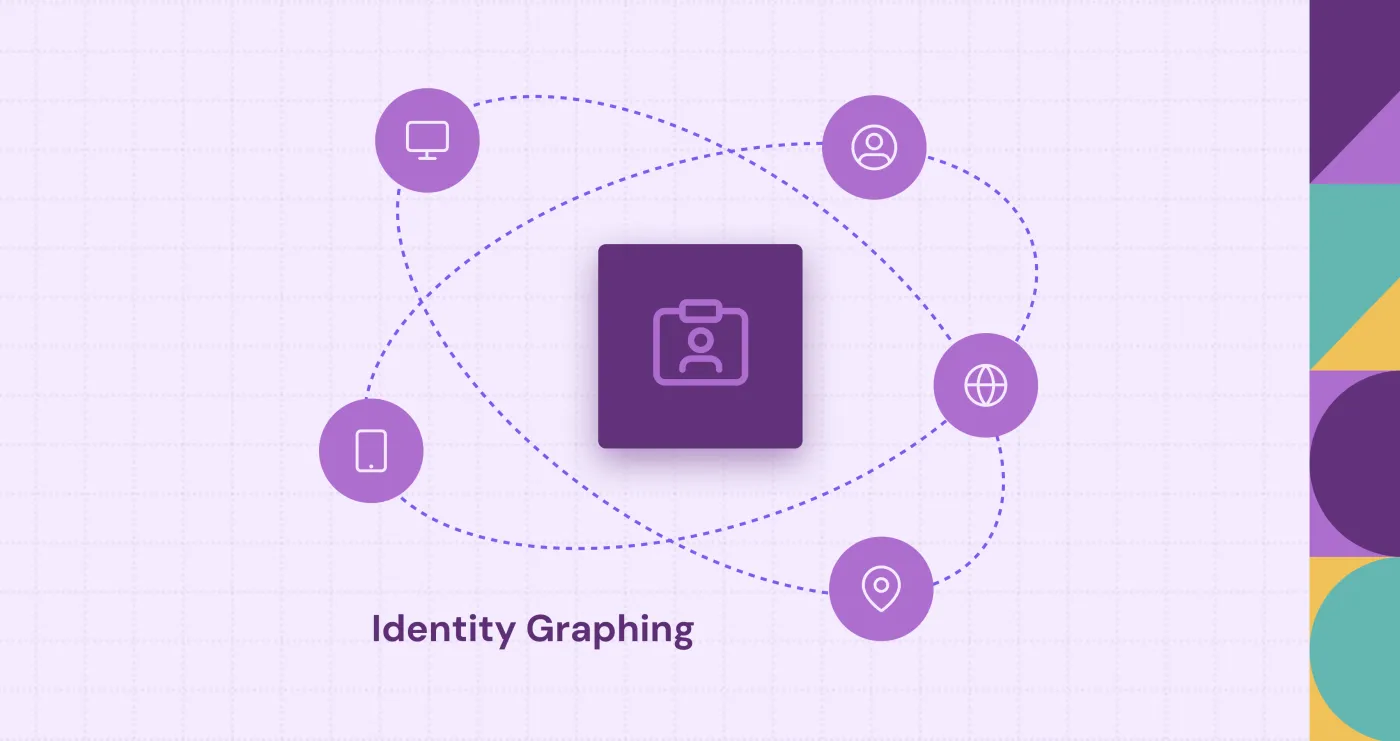
What is an Identity Graph? Unify Customer Data for Smarter Insights
Discover how an identity graph connects user data across devices and platforms for better marketing, cybersecurity, and fraud detection. Learn its benefits, use cases, and future trends.
Graph Database
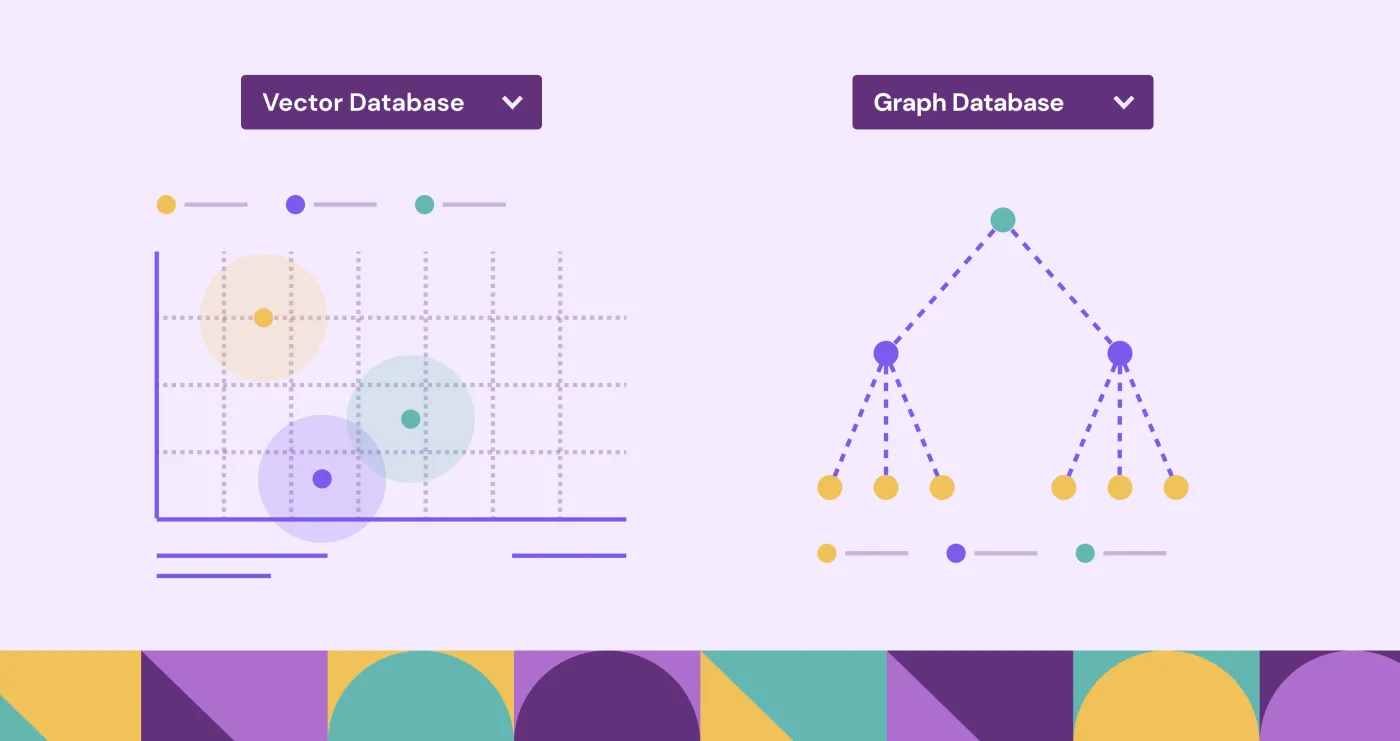
Vector Database vs Graph Database: Key Differences
Explore the differences between vector databases and graph databases. Uncover how vector databases leverage mathematical representations for efficient data storage and retrieval, while graph databases excel in modeling complex relationships within interconnected data.
AI/ML
AI Agent Architecture: Components & Types
Learn AI agent architecture, including components, types, workflows, and best practices. Explore how modern AI agents use memory, planning, and LLMs to operate efficiently.
Graph Database
AWS Neptune vs Neo4j: Which Graph DB is Better?
Explore AWS Neptune vs Neo4j to see how they stack up in pricing, scalability, and graph query support. Learn which graph database is right for your project.
AI/ML Cybersecurity
What Is an AI Security Graph?
Learn how AI security graphs enhance threat detection, map attack paths, and improve cloud security with real-time context and AI-powered insights.
Graph Database
Neo4j Tutorial: Learn Graph Databases & Cypher from Scratch
Learn Neo4j with this beginner-friendly tutorial covering graph concepts, Cypher queries, data modeling, performance optimization, and best practices.
Graph Database
Apache Graph Database: Choosing the Right Open Source Tool
Explore Apache Graph Databases like TinkerPop, Giraph, Cassandra, HBase, and beyond. Learn about scalability, real-time analytics, and community-driven innovation.
Graph Data Model
Graph Data Modeling: All You Need To Know
Explore the power of graph data modeling with our comprehensive guide. Learn the fundamentals of graph theory, graph data concepts, and advanced modeling techniques.
Graph Data Model
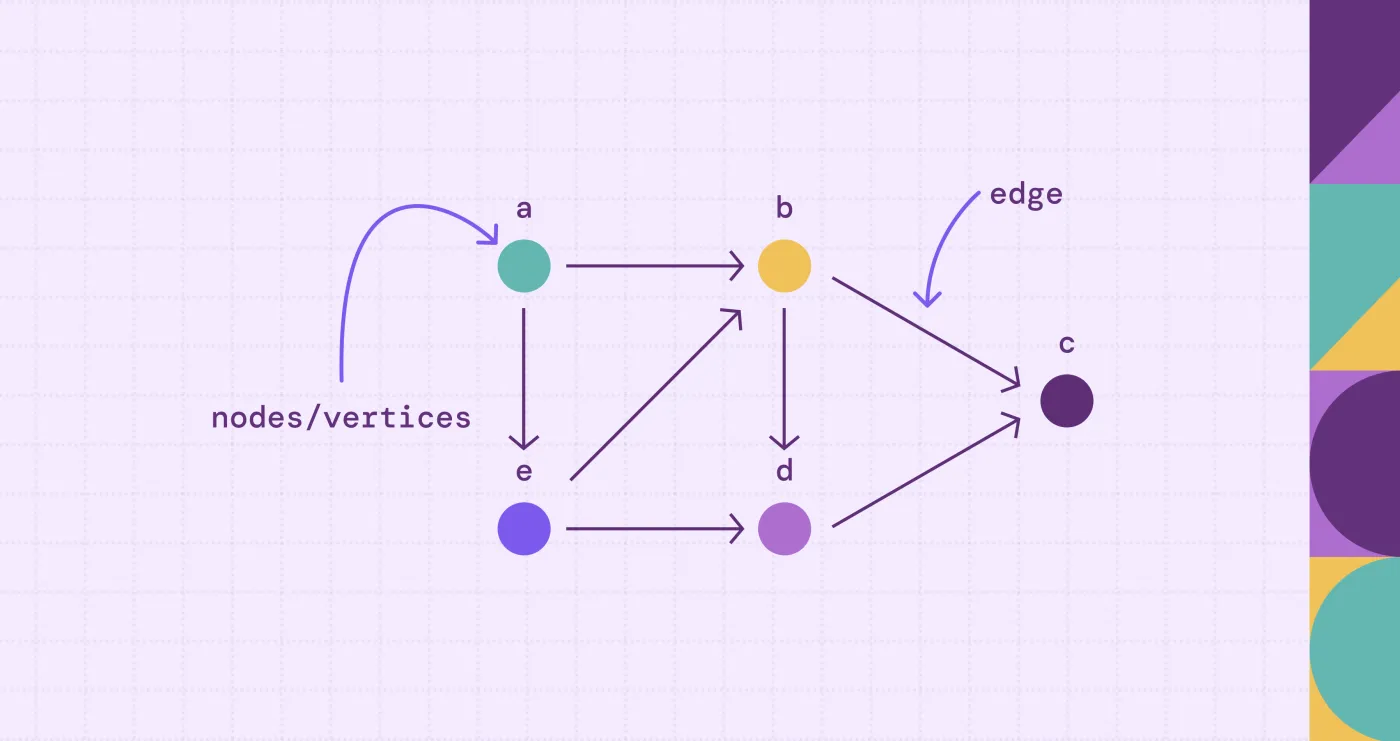
What Is Graph Data Structure?
Learn about the graph data structure, its components, types, representations, and real-world applications in computer science and network analysis.
Cybersecurity
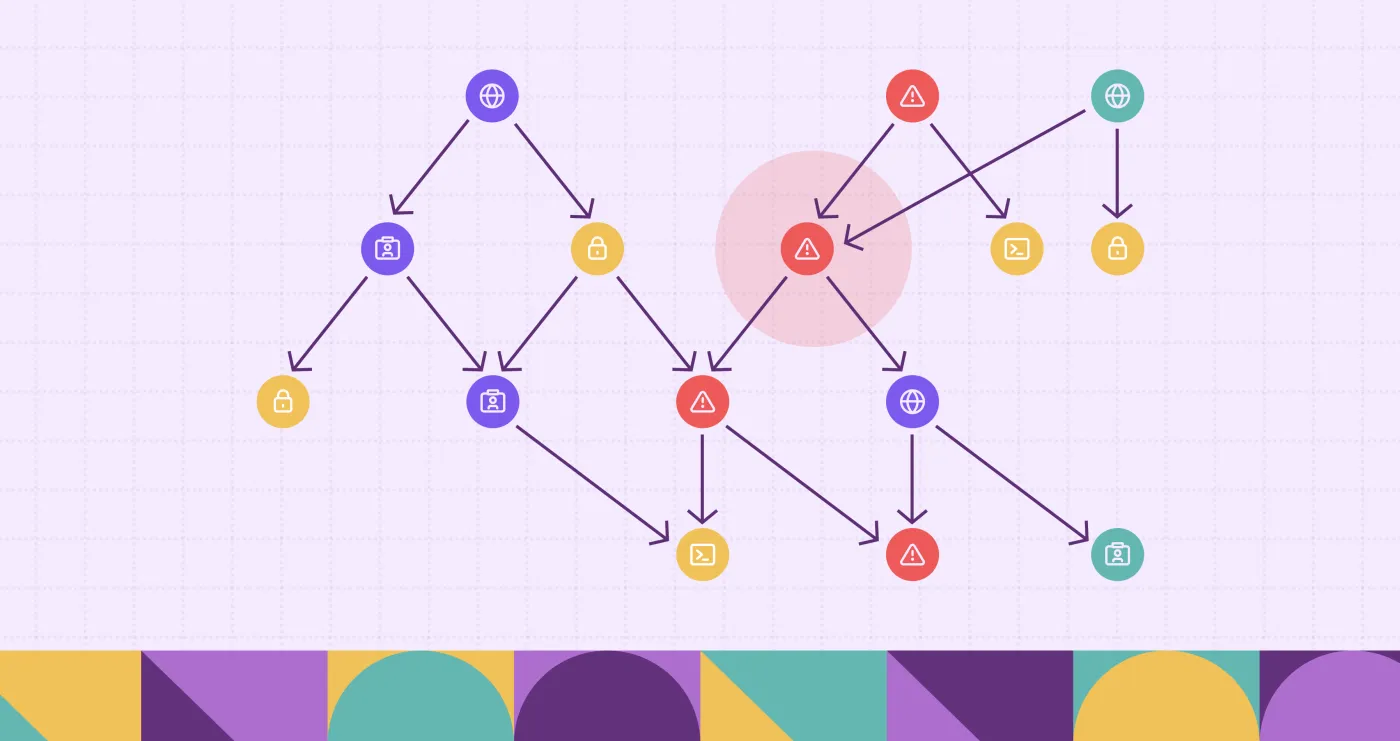
Visualizing Cyber Threats: An Introduction to Attack Graphs
Discover the fundamentals of attack graphs, their components, types, and applications in cybersecurity. Learn how they aid in threat modeling, risk assessment, and network security analysis.
Cybersecurity
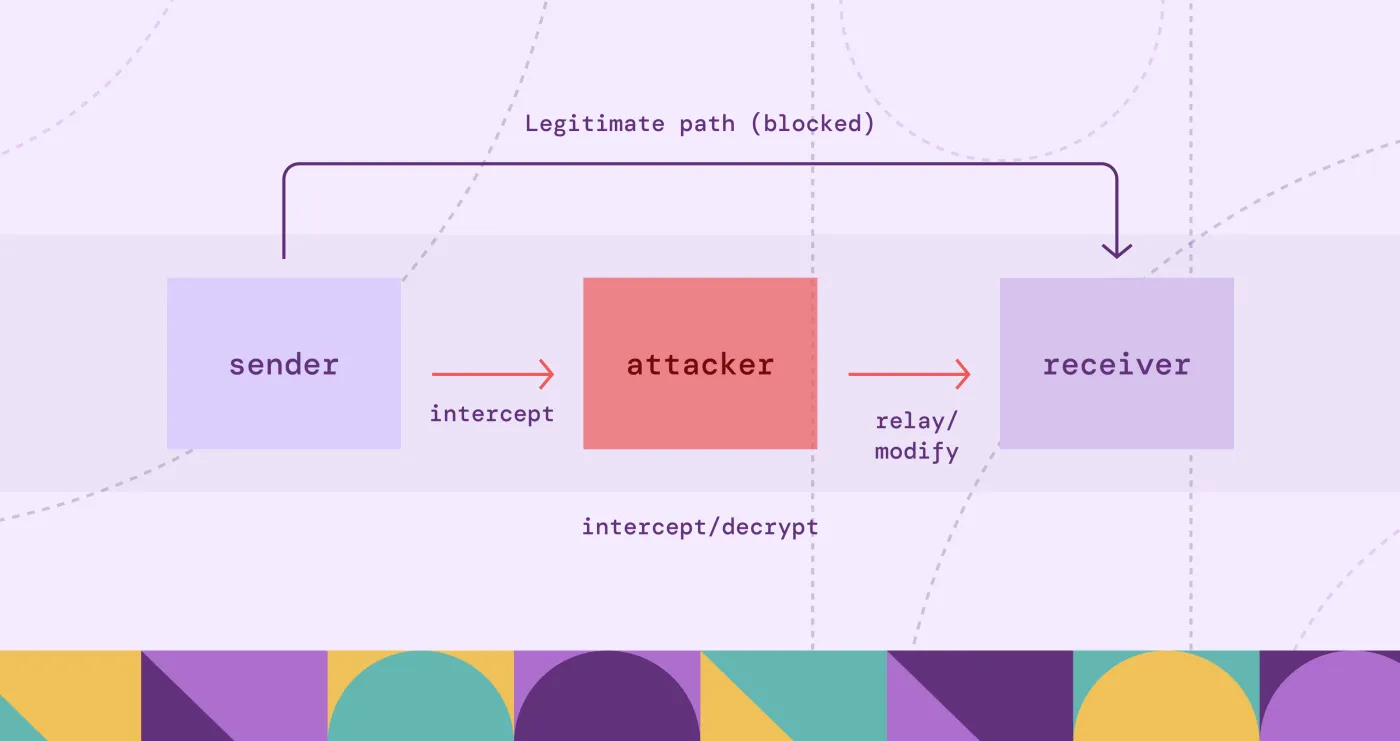
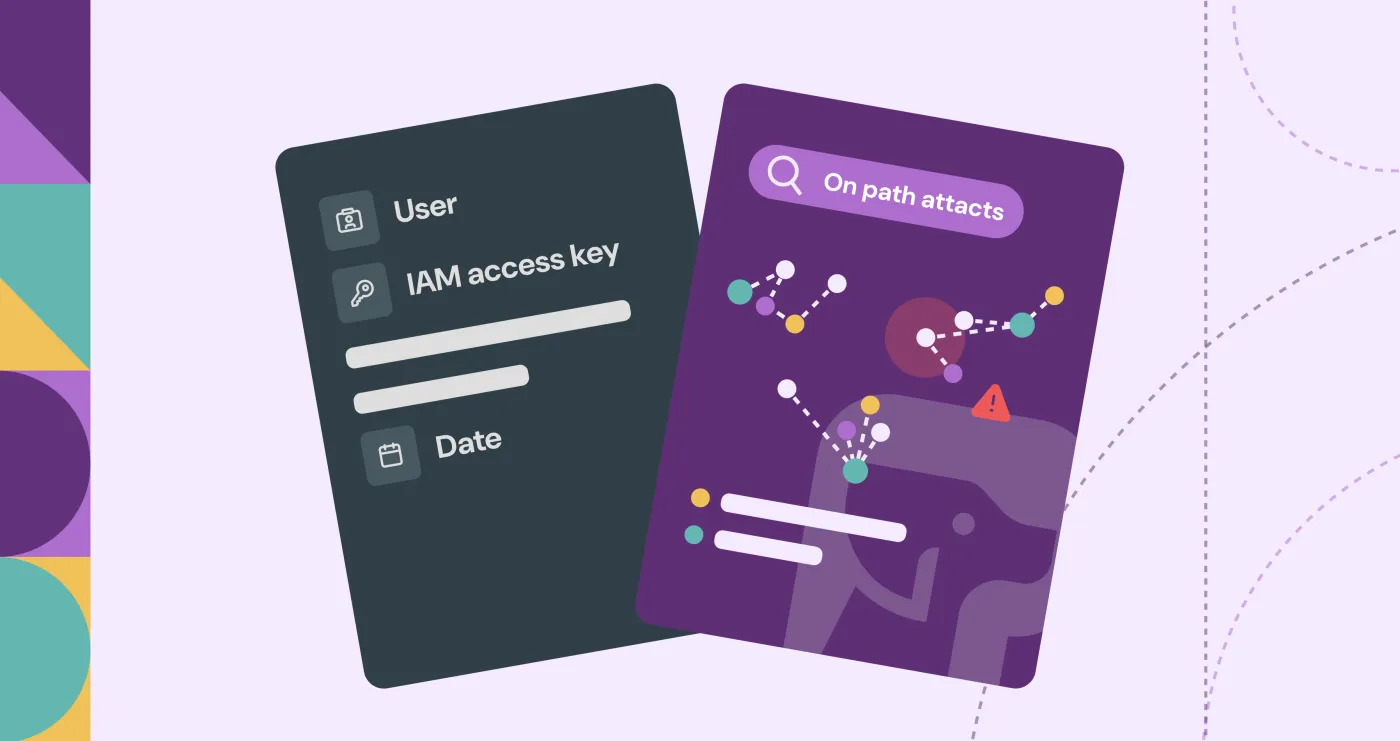
What Is On-Path Attack?
Learn what an on-path attack is, how attackers intercept network traffic, common attack types, risks, and methods to detect and prevent on-path attacks.
Graph Data Model
What Is Code Graph?
Learn what a code graph is, how it’s built, and how developers use it to analyze dependencies, visualize code structure, and improve software quality.
Graph Database
AWS Neptune vs DynamoDB: Database Comparison Guide
Discover the differences between AWS Neptune and DynamoDB, from graph vs NoSQL data models to scalability, performance, and real-world use cases. Find the right AWS database for you.
Graph Analysis
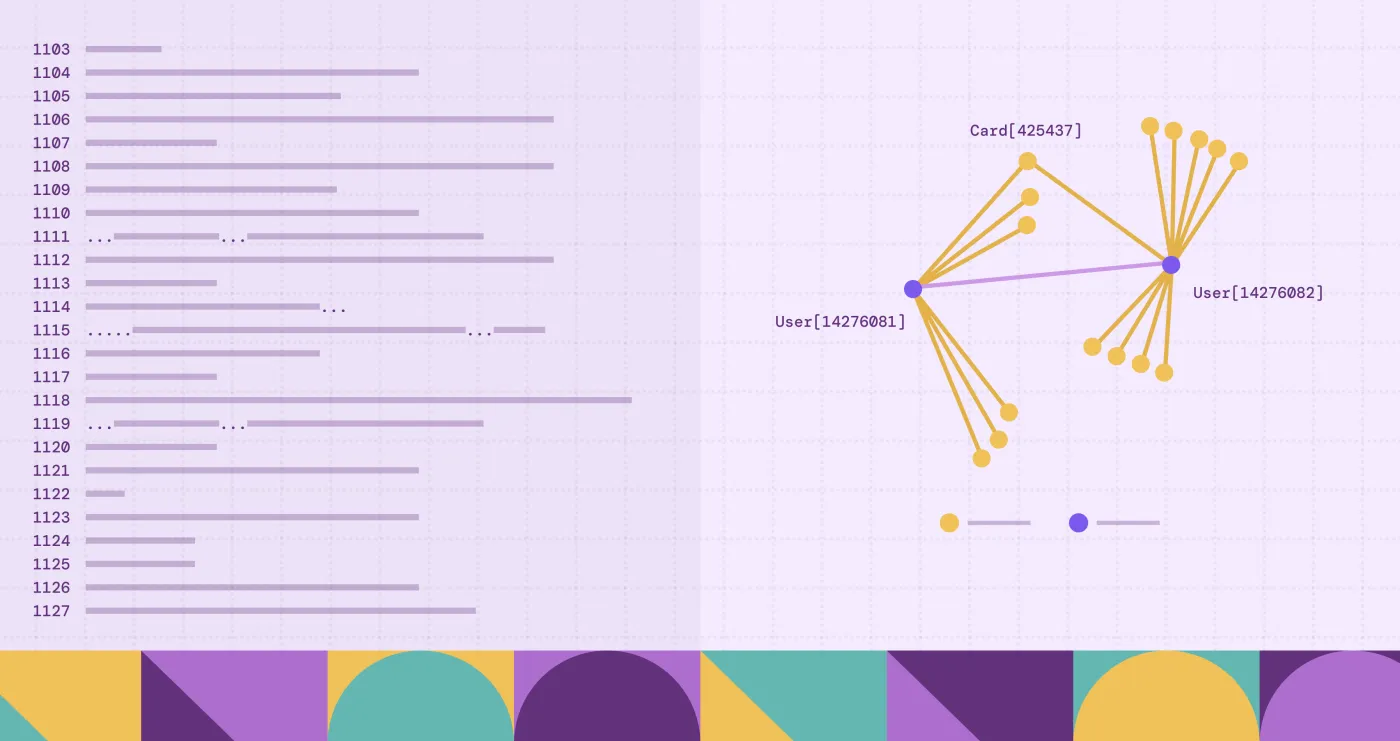
Fraud Graph: Visualizing and Detecting Fraud Through Graph Analysis
Delve into the intricate web of fraud with fraud graphs. Learn how fraud patterns are uncovered and explore advanced techniques for detection and prevention. Stay ahead in the battle against fraudsters.
Cybersecurity
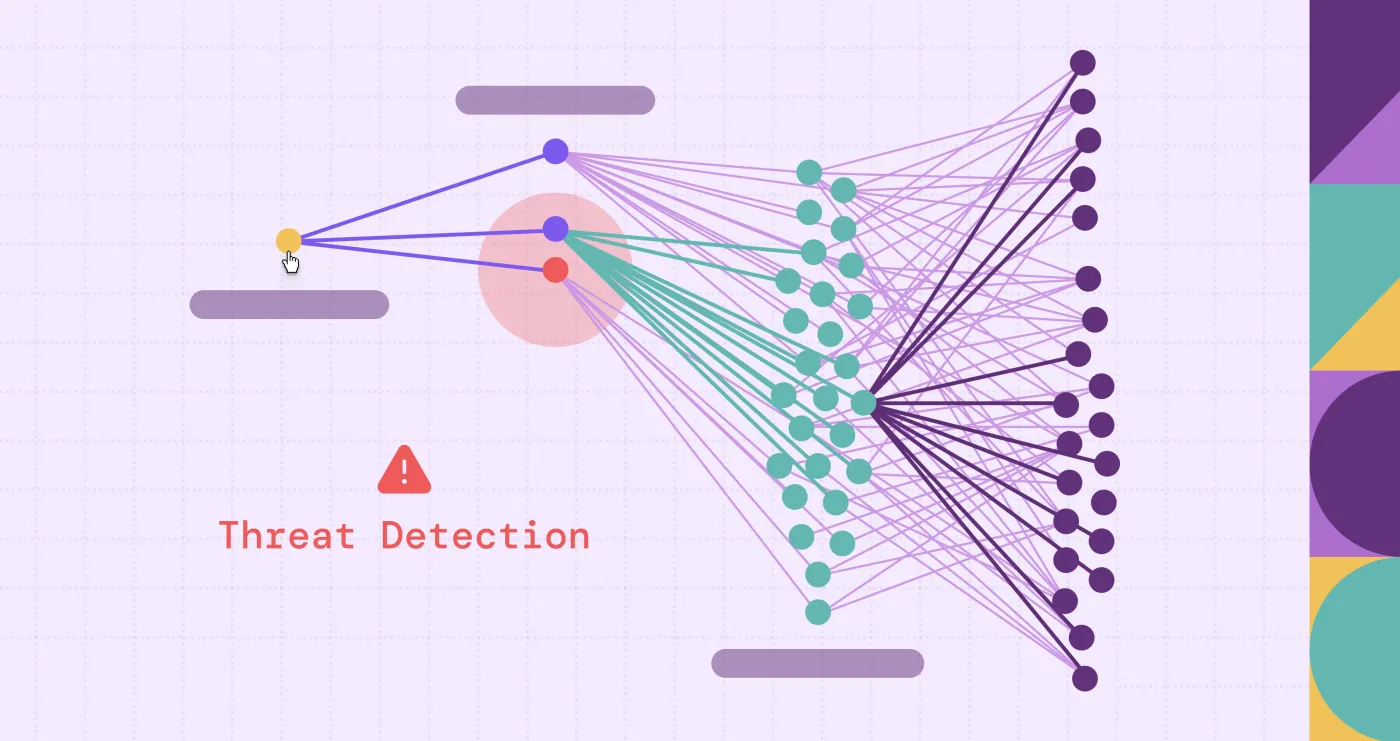
What is a Threat Graph? Understanding Its Role in Cybersecurity
Threat Graph helps cybersecurity teams to visualize, analyze, and track cyber threats in real-time. It helps organizations detect vulnerabilities, prevent attacks, and enhance security through advanced threat intelligence.
AI/ML Graph RAG
GraphRAG Architecture: Components, Workflow & Implementation Guide
Explore GraphRAG architecture, including its core components, knowledge graph integration, retrieval pipeline, and LLM orchestration. Learn how GraphRAG improves contextual accuracy over traditional RAG systems.
Graph Data Model
Context Graph: Definition, Architecture, Use Cases
Learn what a context graph is, how it works, and how it’s used in AI, LLM, and RAG systems. Explore architecture, real-world use cases, and best practices.
AI/ML
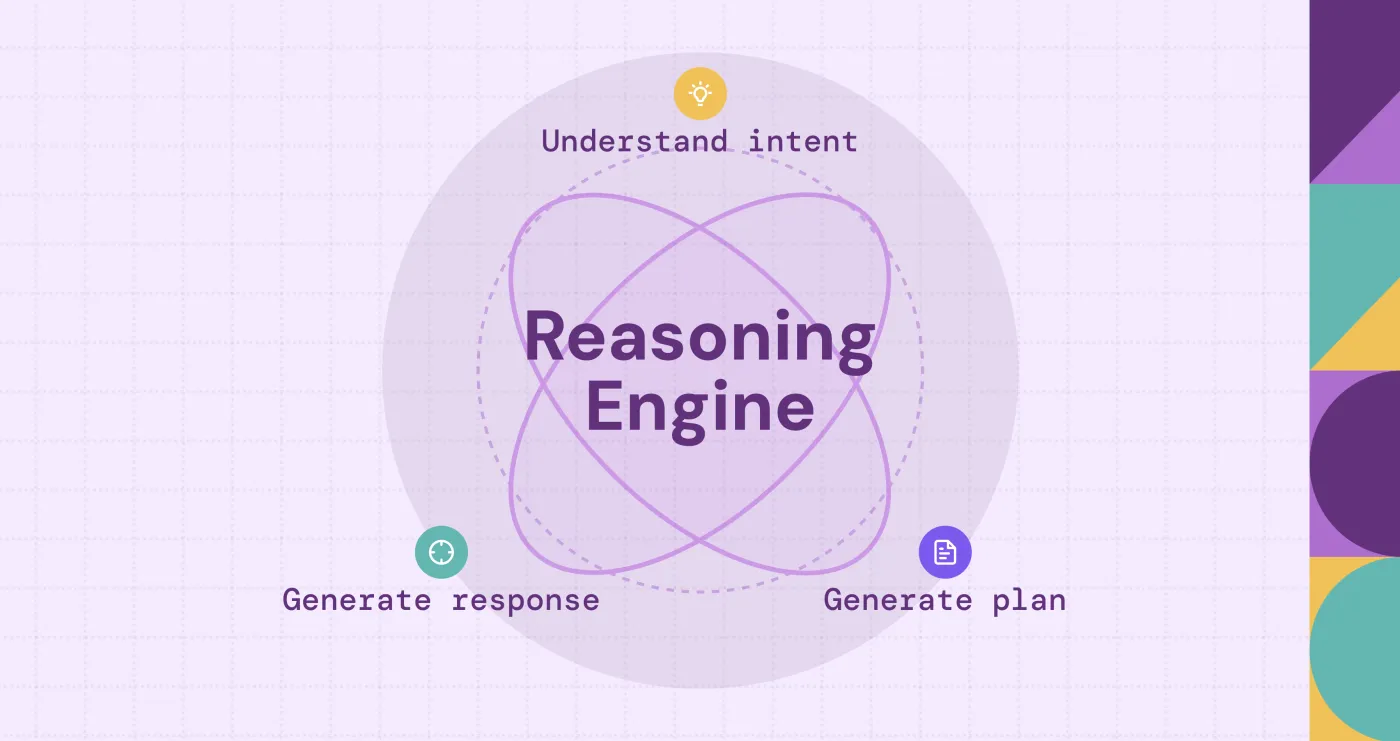
What Is a Reasoning Engine? The Ultimate Guide
Discover what a reasoning engine is, how it works, and its role in modern AI systems. Explore types, architecture, use cases, and implementation best practices.
Graph Database
Dgraph vs Neo4j : Key Differences & Comparison
Dgraph vs Neo4j compared: discover key differences in features, performance, and deployment. See which graph database is the best choice for your workload.
Cybersecurity Knowledge Graph
Cybersecurity Knowledge Graph: Smarter Threat Detection
Discover how cybersecurity knowledge graphs improve threat intelligence, automate security workflows, and enhance cyber defense strategies. Learn about their benefits, technologies, and use cases.
Knowledge Graph
How to Build a Knowledge Graph: Step-by-Step Guide for Beginners
Learn how to build a knowledge graph from scratch, including data modeling, entity extraction, relationship mapping, graph databases, and best practices for scalable implementation.
Graph Database
RedisGraph vs Neo4j: Key Differences
Compare Neo4j and RedisGraph on architecture, Cypher support, performance, scaling, and ops so you can pick the right graph database for your workload.
Graph Database
SurrealDB vs Neo4j: Key Differences
Compare key differences in data model, query language (SurrealQL vs Cypher), traversal performance, clustering, and AI-ready hybrid search.
Graph Database
Cosmos DB vs Neo4j: How to Choose for Graph Workloads
Compare Azure Cosmos DB Gremlin API and Neo4j on data models, query languages, global distribution, consistency, indexing, and traversal performance to pick the right fit.
Graph Database
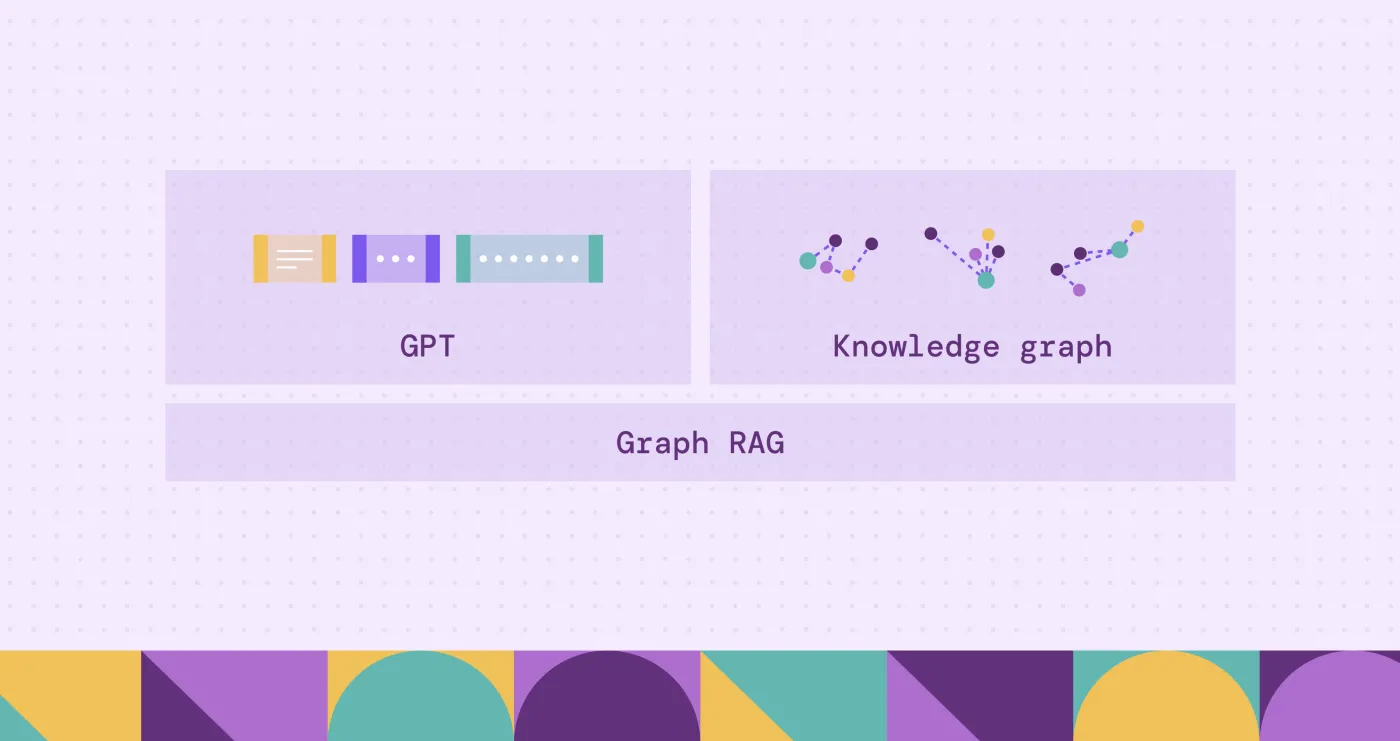
GPT vs Neo4j Graph Database Applications: Key Differences
Compare GPT vs Neo4j graph database applications across data modeling, querying, accuracy, and use cases to choose the right approach.
Graph Database
FalkorDB vs Neo4j: Key Differences
Compare FalkorDB vs Neo4j across architecture, performance, scalability, and operational tradeoffs. Learn when to use each graph database.
Graph Database
MongoDB vs Neo4j: Key Differences
Compare MongoDB vs Neo4j across data modeling, queries, performance, and use cases to choose the right database for your application.
Graph Database
Stardog vs Neo4j: Key Differences
Compare Stardog vs Neo4j on RDF vs property graphs, SPARQL vs Cypher, reasoning, performance, and deployment. See which fits knowledge graphs, analytics, and enterprise needs.
Graph Database
Neo4j vs Redis: Key Differences
Compare Neo4j vs Redis across data models, performance, querying, and use cases to choose the right database for your application.
Graph Database
Distributed Graph Database: The Ultimate Guide
Explore the advantages of distributed graph databases, designed to efficiently manage complex data relationships across multiple locations. Discover how they enhance scalability, improve performance, and provide real-time analytics for applications like social networks, fraud detection, and recommendation engines.
Graph Database
Memgraph vs Neo4j: Graph Database Comparison
Compare Memgraph vs Neo4j to understand differences in performance, scalability, and use cases. Find out which graph database best fits your needs.
Graph Database
GraphDB vs Neo4j: Key Differences Explained
Compare GraphDB vs Neo4j to understand differences in data models, query languages, performance, and use cases—so you can choose the right graph database.
Graph Analysis Visualization
SIEM Graph: Visualizing Security Data for Faster Threat Detection
Discover how SIEM graphs simplify complex security data, enhance threat detection, and accelerate incident response. Learn about real-world applications and key benefits of graph-based visualization in cybersecurity.
Data Lakehouse
Apache Avro vs Parquet: Key Differences & Performance
Compare Apache Avro vs Parquet across storage model, schema evolution, performance, and use cases to choose the right format for your data workloads.
Graph Database
Nebula Graph vs Neo4j: Key Differences & Comparison
Nebula Graph vs Neo4j compared: discover key differences in features, performance, and deployment. See which graph database is the best choice for your workload.
Graph Database
Arangodb vs Janusgraph : Know The Difference
Compare ArangoDB and JanusGraph to understand their architectures, performance, scalability, and graph database features. Learn which one fits your project needs best.
Graph Database
5 Best Graph Database Tools in 2026
Explore top graph database tools designed to handle complex, interconnected data efficiently. Learn about key features, performance, and how these tools support advanced queries for graph-based data models.
Graph Database
7 Best Graph Analytics Tools of 2026
Explore the power of graph analytics tools to unlock valuable insights from complex relationships and interconnected data.
Graph Database
Choosing Between ArangoDB and Dgraph: A Developer’s Guide
Evaluate native distributed graph vs multi-model store, query options, clustering strategies, and ecosystem support.
Graph Database
OrientDB vs Neo4j: Features, Performance, Use Cases
Compare OrientDB and Neo4j on speed, scalability, query language, data model, clustering, and ecosystem to choose the right graph database for your workload.
Graph Database
TigerGraph vs Neo4j: How to Choose for Your Workload
Compare TigerGraph and Neo4j on speed, clustering, schema design, and query languages to choose the right graph database for your use case.
Graph Database
TigerGraph vs Dgraph : Know The Difference
Compare TigerGraph and Dgraph on speed, scalability, and graph database features. See key strengths, tradeoffs, and understand the best fit for your project.

No posts match your search.
Learn
Cybersecurity
Continuous Security: What It Is, Practices, and Best Practices
Continuous security treats security as an ongoing, automated process across the lifecycle instead of point-in-time gates. Learn how it works and best practices.
Cybersecurity
6 Best Network Security Monitoring Tools of 2026
Explore top network security monitoring tools for real-time threat detection, traffic visibility, performance monitoring, and stronger cybersecurity operations.
LLM
RAG vs LLM: Key Differences, Use Cases & How They Work
Compare RAG vs LLM to understand their differences, architecture, benefits, limitations, and use cases for building accurate AI applications.
Cybersecurity
Continuous Security Monitoring: How It Works & Best Practices
Continuous security monitoring tracks controls, vulnerabilities, and threats in real time to manage risk. Learn how it works, key frameworks, and best practices.
Cybersecurity
Threat Monitoring: How It Works, Types, and Best Practices
Threat monitoring continuously collects and correlates security telemetry to surface attacker activity. Learn how it works, the main types, and best practices.
Cybersecurity
7 Best Cloud Security Monitoring Tools in 2026
Explore top cloud security monitoring tools and why cloud environments need graph analytics to connect risks, permissions, and attack paths across layers.
Cybersecurity
7 Best Cybersecurity Monitoring Tools in 2026
Compare top cybersecurity monitoring tools and learn why visibility alone is not enough without connected context across alerts, identities, cloud, and attack paths.
Cybersecurity
Cyber Risk Monitoring: A Graph-First Approach
Learn how cyber risk monitoring improves with a graph-first approach that connects identities, assets, vulnerabilities, and attack paths in real time.
No guides match your search.
Start free. Pay when it goes to production.
Contact us for any questions about capabilities, sizing and support.
* No payment required to start either one.
$ docker run -p 8081:8081 \
  -p 8182:8182 -p 7687:7687 \
  puppygraph/puppygraph:latestPulling puppygraph/puppygraph:latestStarting PuppyGraphWeb console listening on 0.0.0.0:8081Gremlin endpoint listening on 0.0.0.0:8182PuppyGraph is running# no pipelines · no second database · no data movement