PuppyGraph Learn
Stay Current on AI, Data, and Emerging Tech.
All guides
Cybersecurity
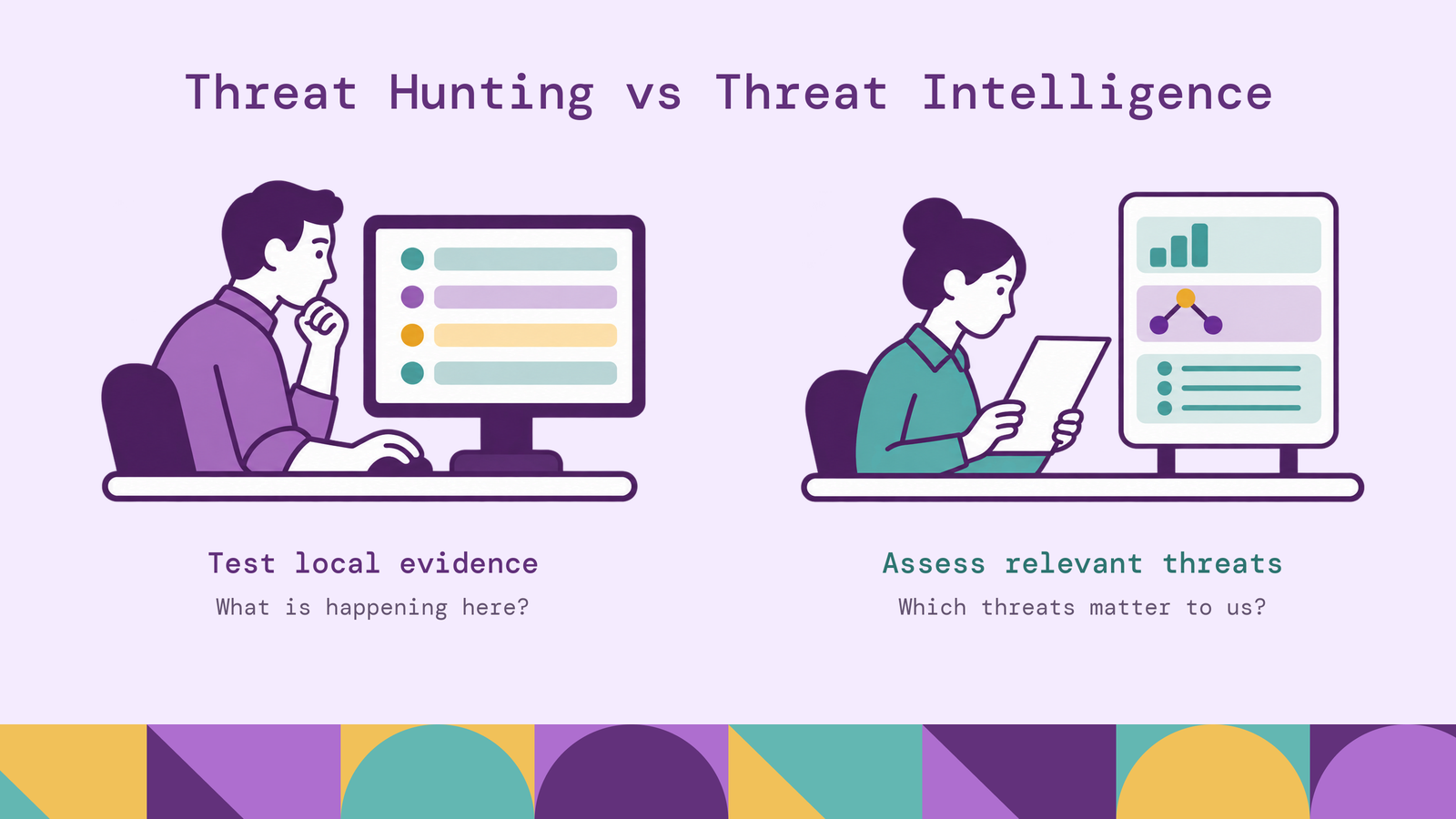
Threat Hunting vs Threat Intelligence: Key Differences
Compare threat hunting vs threat intelligence, including their processes, benefits, tools, key differences, and how they work together to strengthen cybersecurity.
Cybersecurity
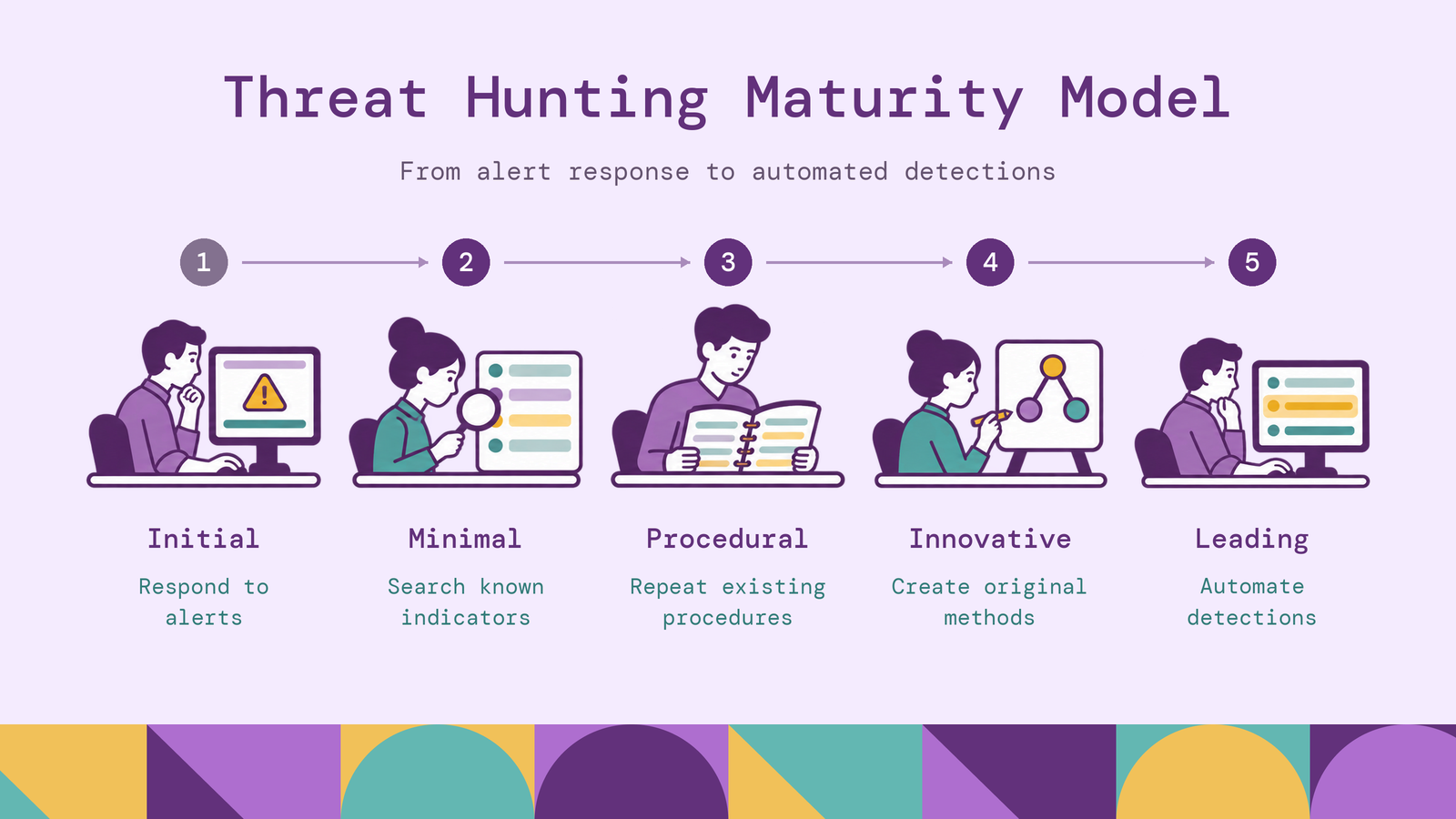
Threat Hunting Maturity Model: 5 Levels Explained
Explore the five levels of the threat hunting maturity model, assessment criteria, key capabilities, and best practices for building a mature threat hunting program.
Database Concept
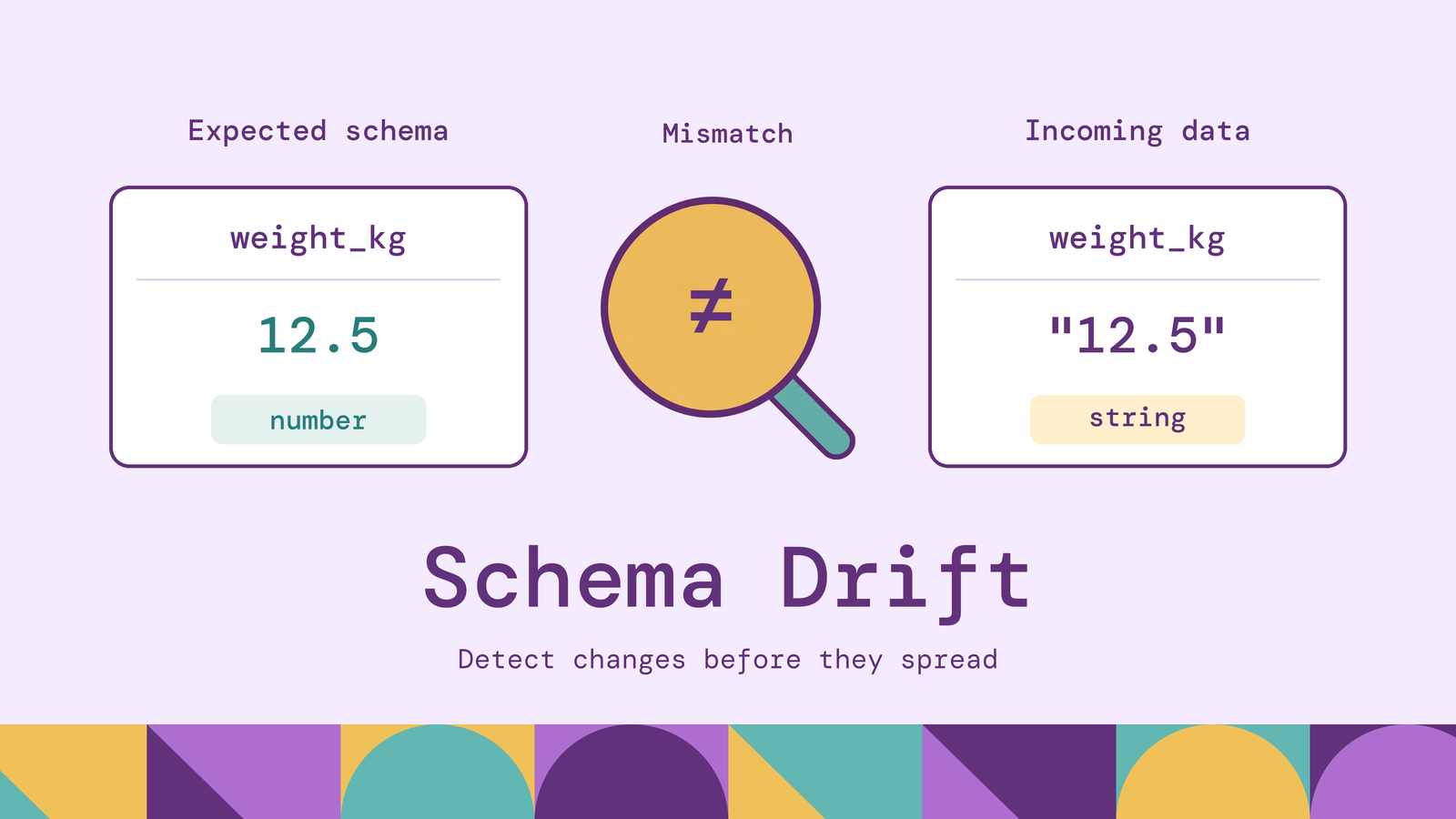
Schema Drift: Detection, Causes, and Management
Understand schema drift in data engineering, its common causes, impact on data pipelines, detection methods, and strategies for managing unexpected schema changes.
Query your table as a graph.Petabytes. Subsecond. No data movement.
Database Concept
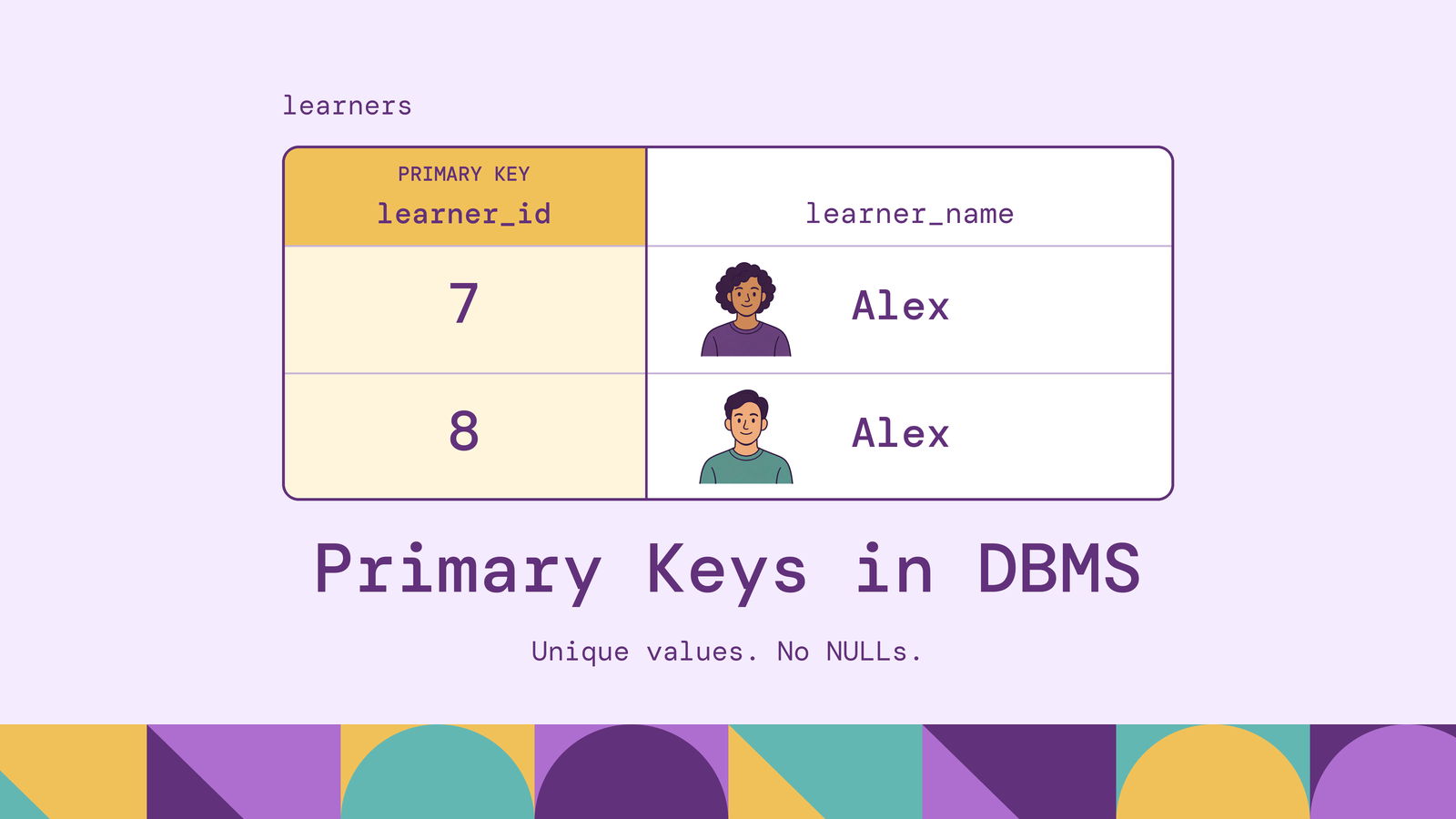
Primary Key in DBMS: Definition & Types
Learn what a primary key is in DBMS, how primary key constraints work, SQL syntax, examples, types, and differences between primary keys and other database keys.
Database Concept
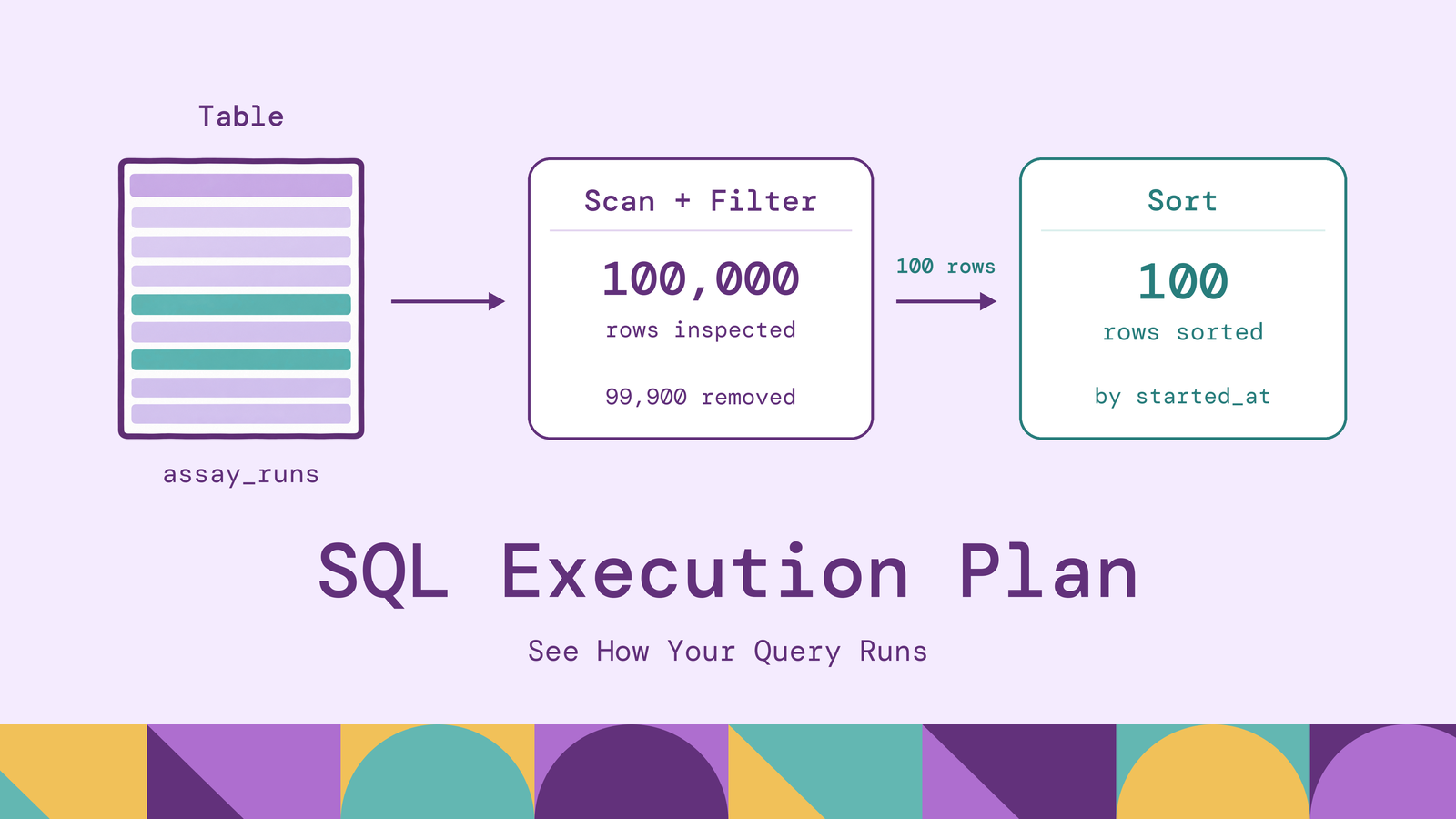
SQL Execution Plan: How It Works and How to Read It
Learn what a SQL execution plan is, how to generate and read execution plans, understand query operators, identify performance bottlenecks, and optimize SQL queries.
Data Lakehouse
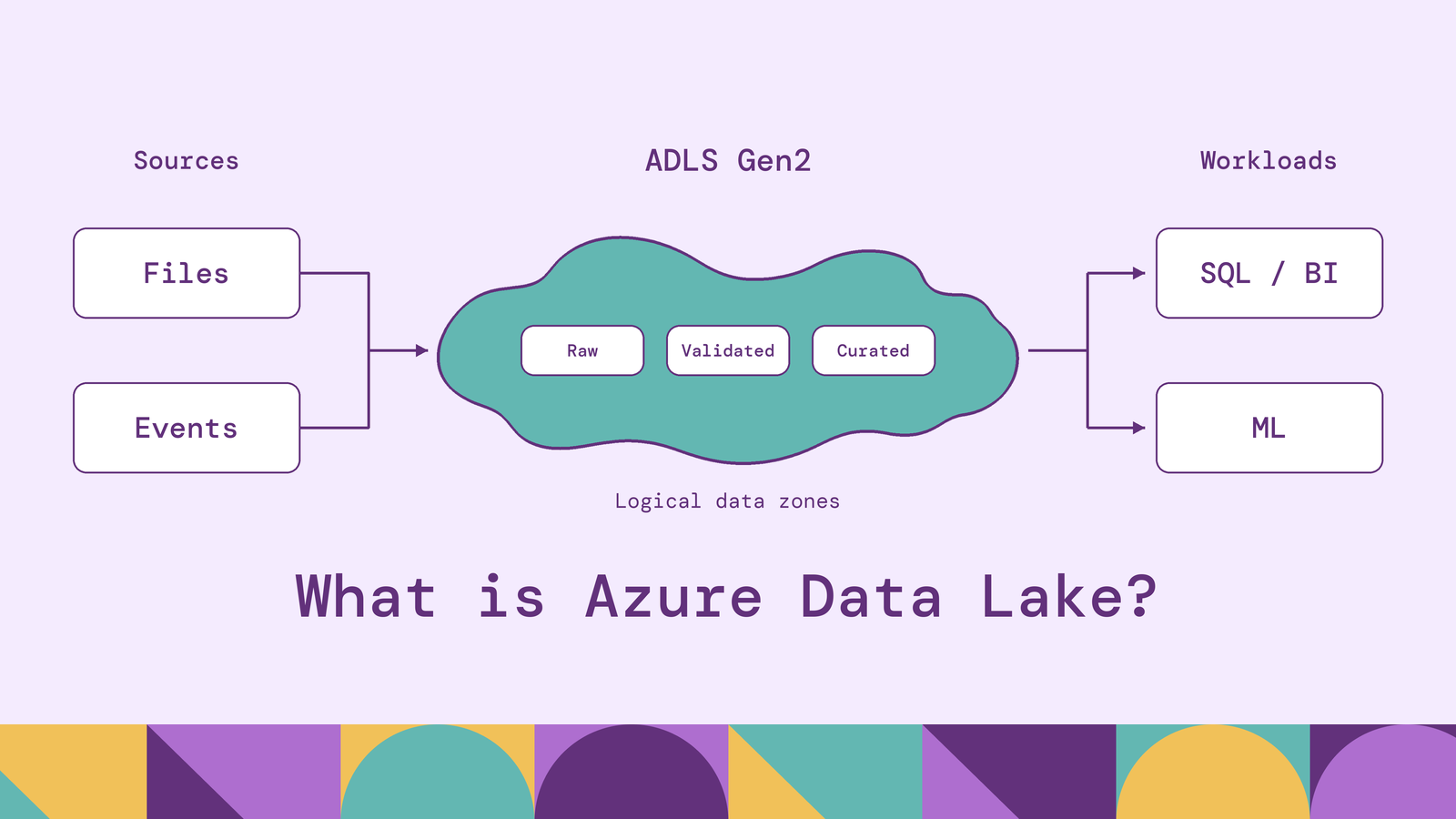
What Is Azure Data Lake? Architecture, Features & Uses
Learn what Azure Data Lake is, how it works, its architecture, key features, benefits, pricing, and use cases with Azure Data Lake Storage Gen2.
AI/ML
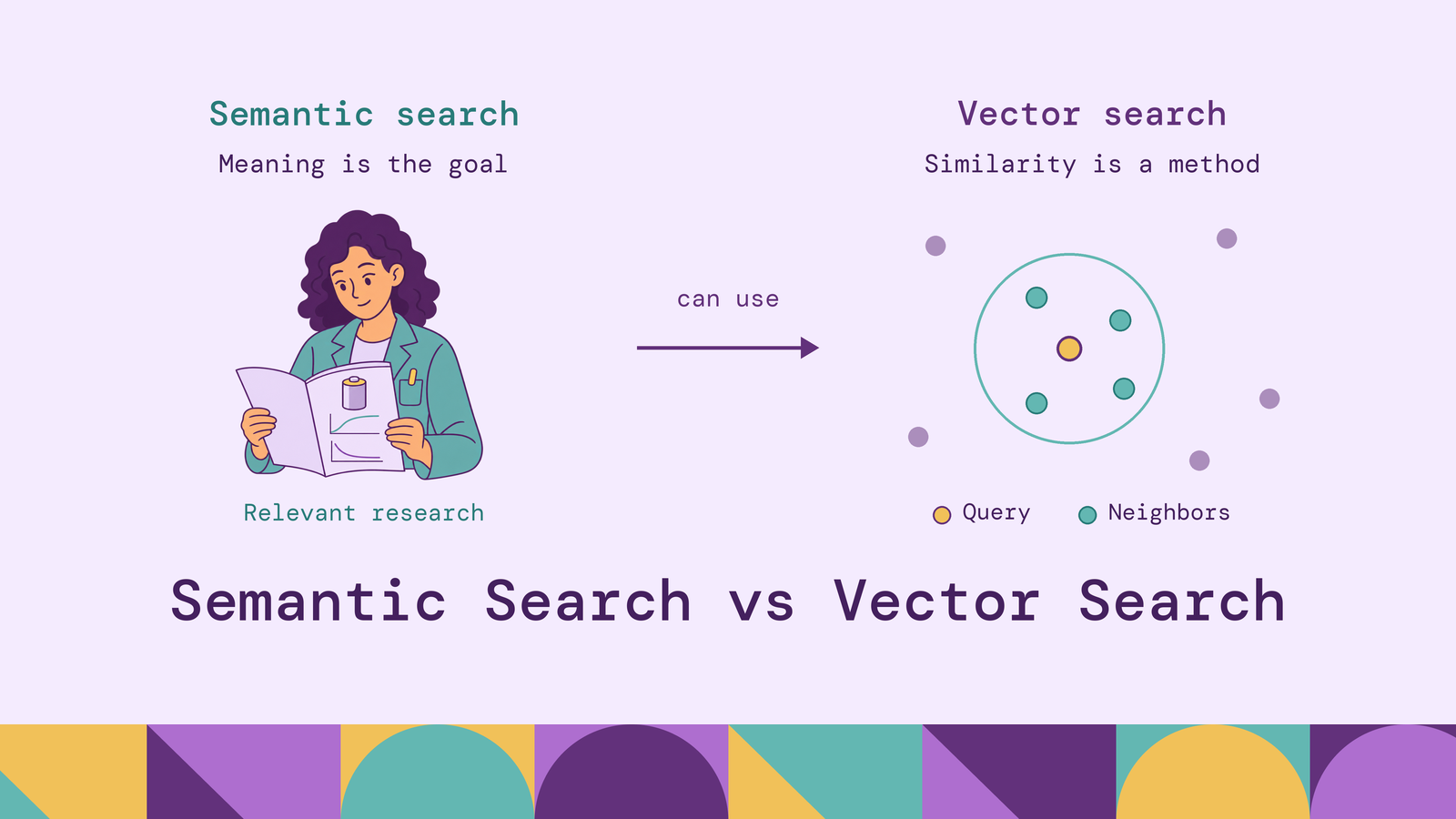
Semantic Search vs Vector Search: Key Differences
Compare semantic search vs vector search, how they work, key differences, examples, benefits, performance, and use cases to understand both approaches.
AI/ML
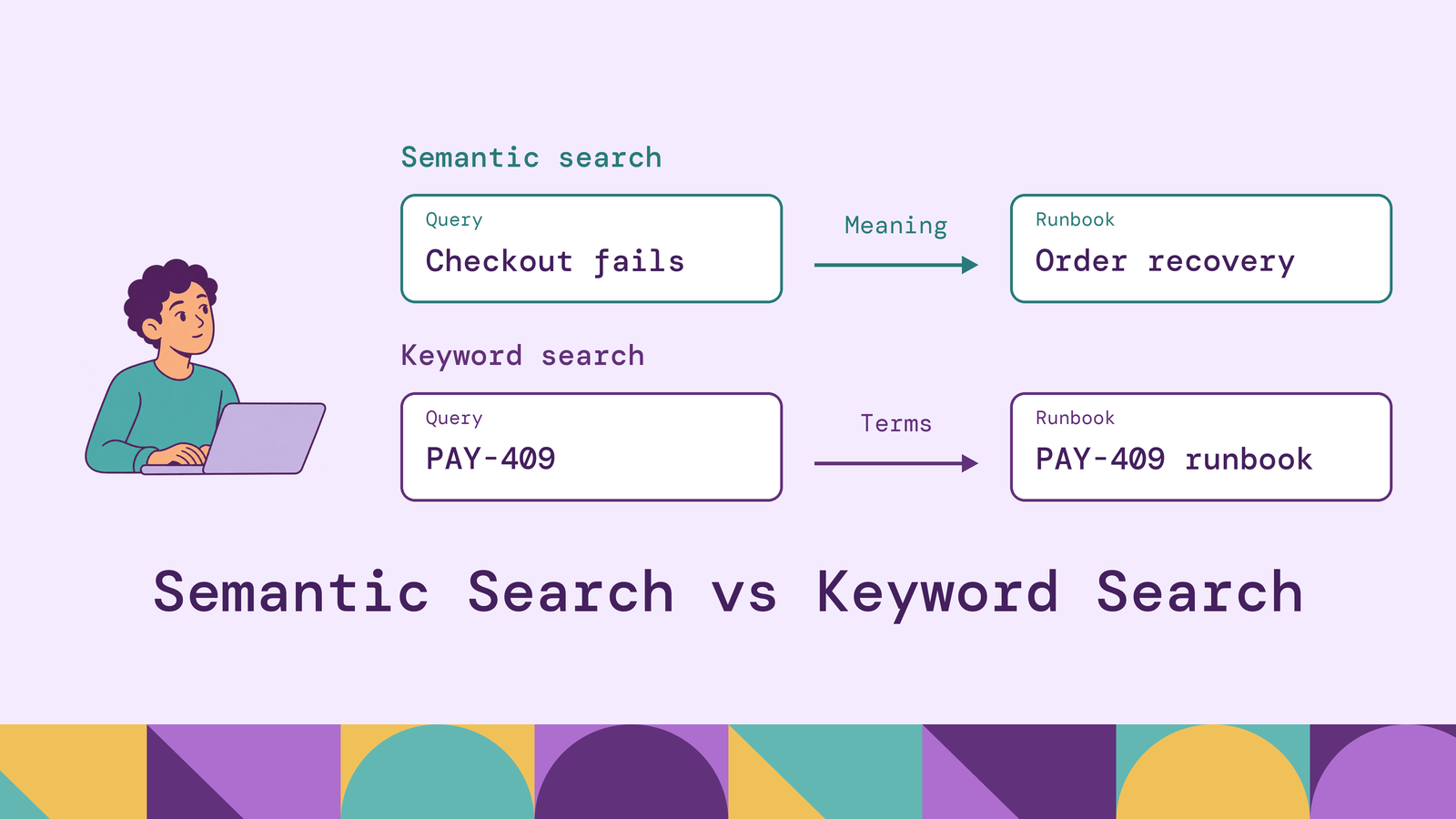
Semantic Search vs Keyword Search: Key Differences
Compare semantic search vs keyword search, including how they work, key differences, accuracy, performance, benefits, and when to use each approach.
AI/ML
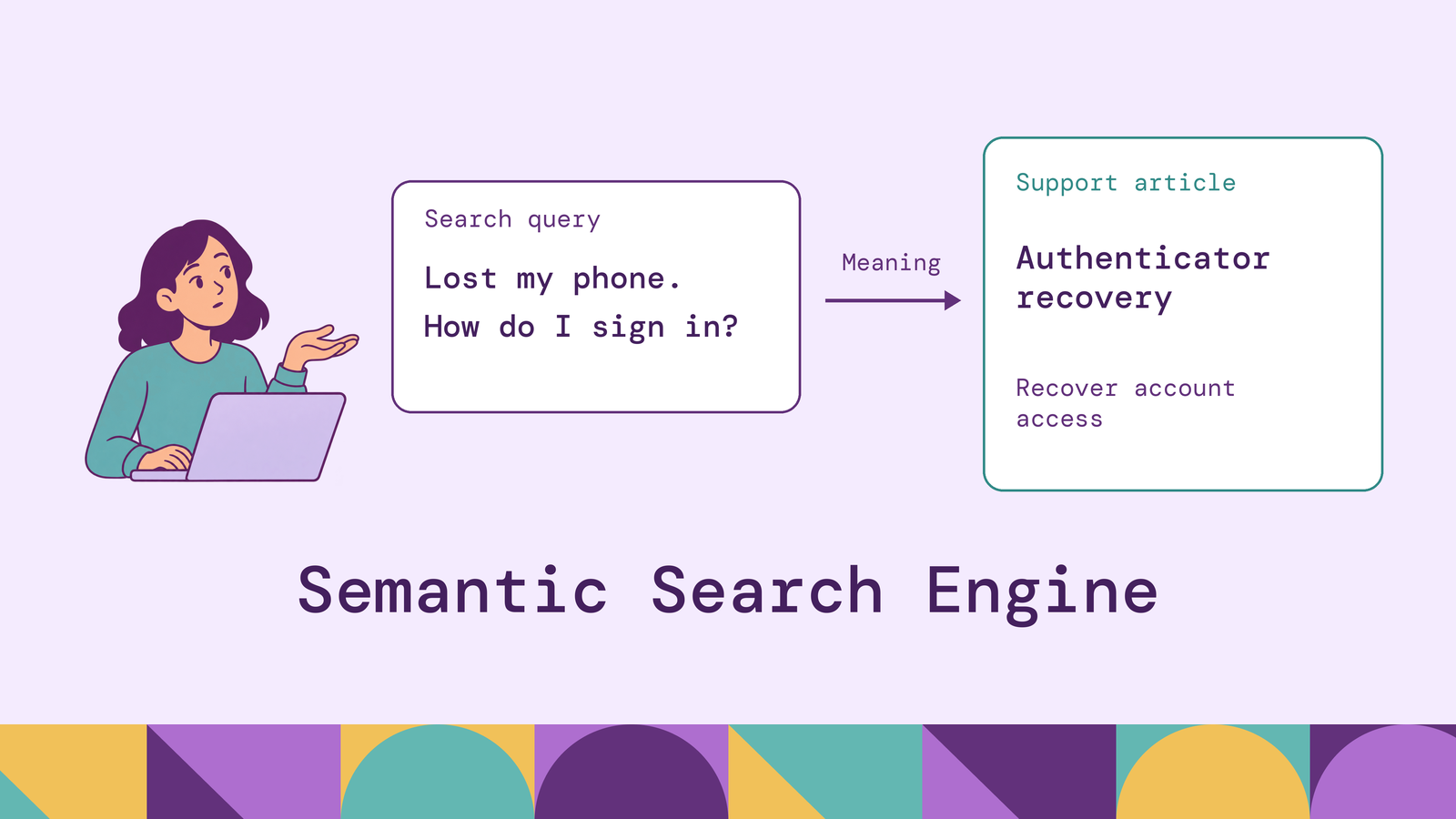
Semantic Search Engine: How It Works & Examples
Learn how a semantic search engine works using AI, NLP, vector embeddings, and LLMs. Explore its architecture, benefits, examples, and implementation.
AI/ML
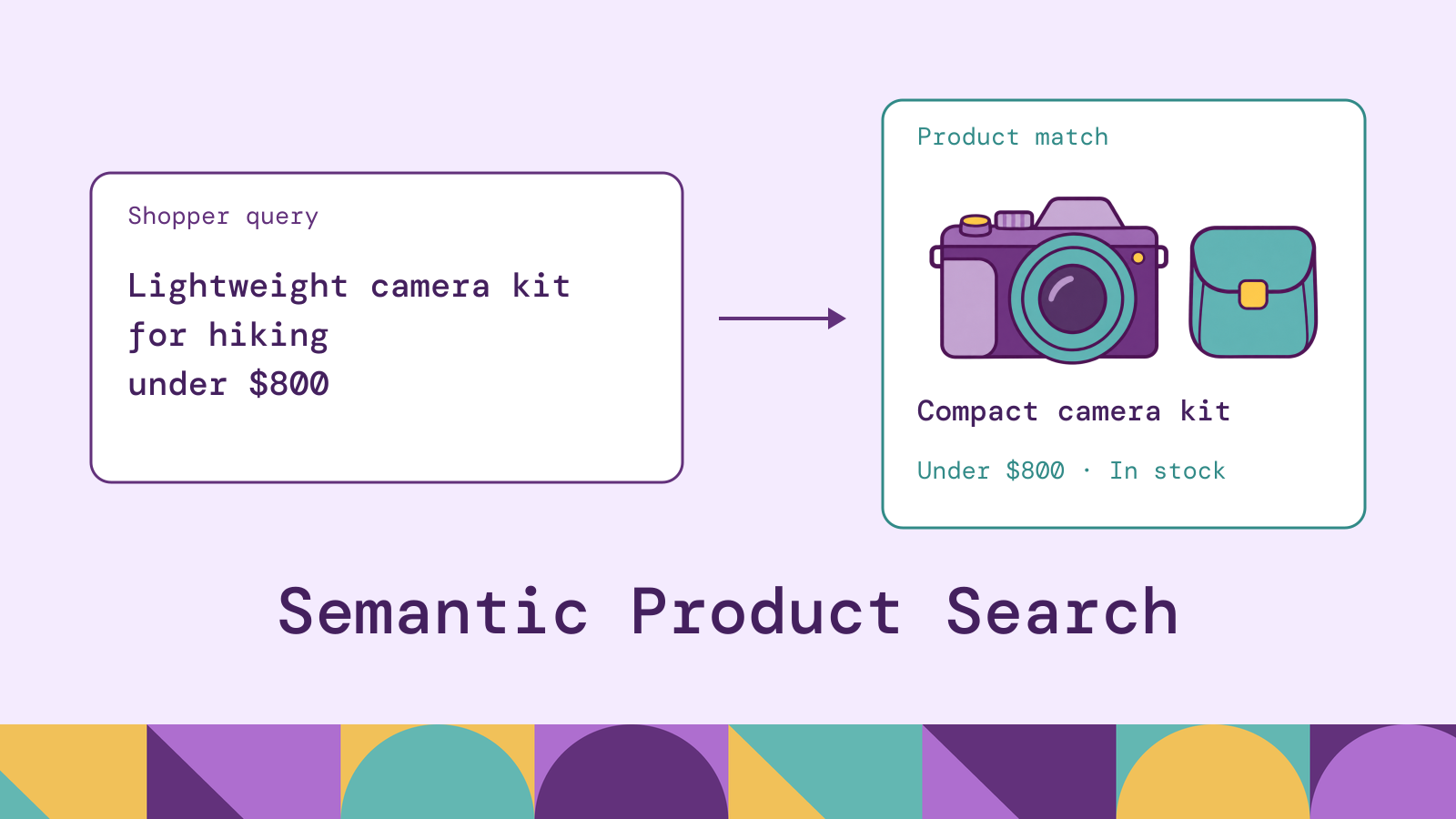
Semantic Product Search: How It Works & Benefits
Learn how semantic product search uses AI, NLP, and vector embeddings to improve product discovery, search relevance, and e-commerce experiences.
Data Lakehouse
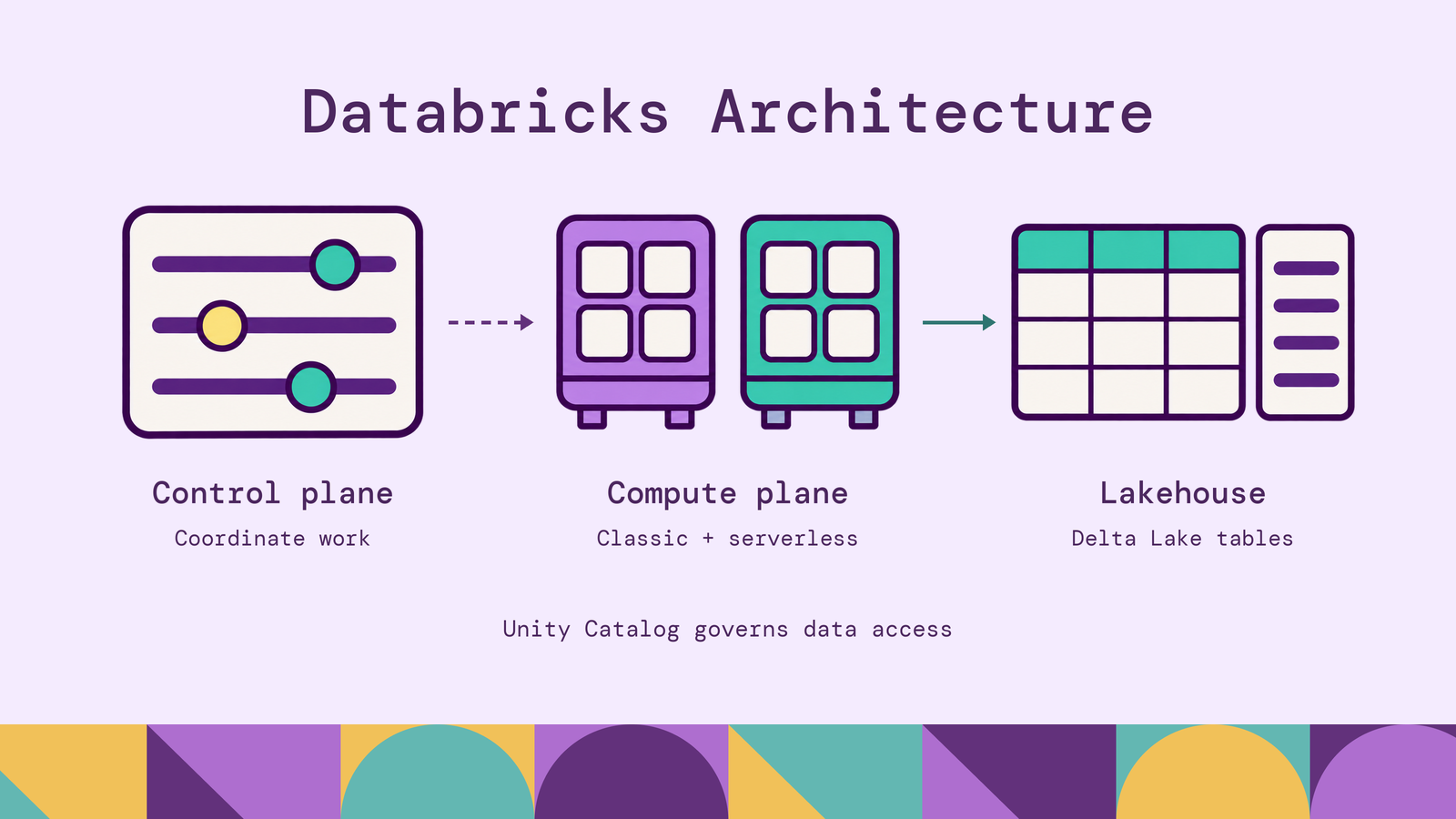
Databricks Architecture: Components, Layers & Guide
Explore Databricks architecture, including the control plane, compute plane, lakehouse, Delta Lake, Unity Catalog, and key components.
Data Lakehouse
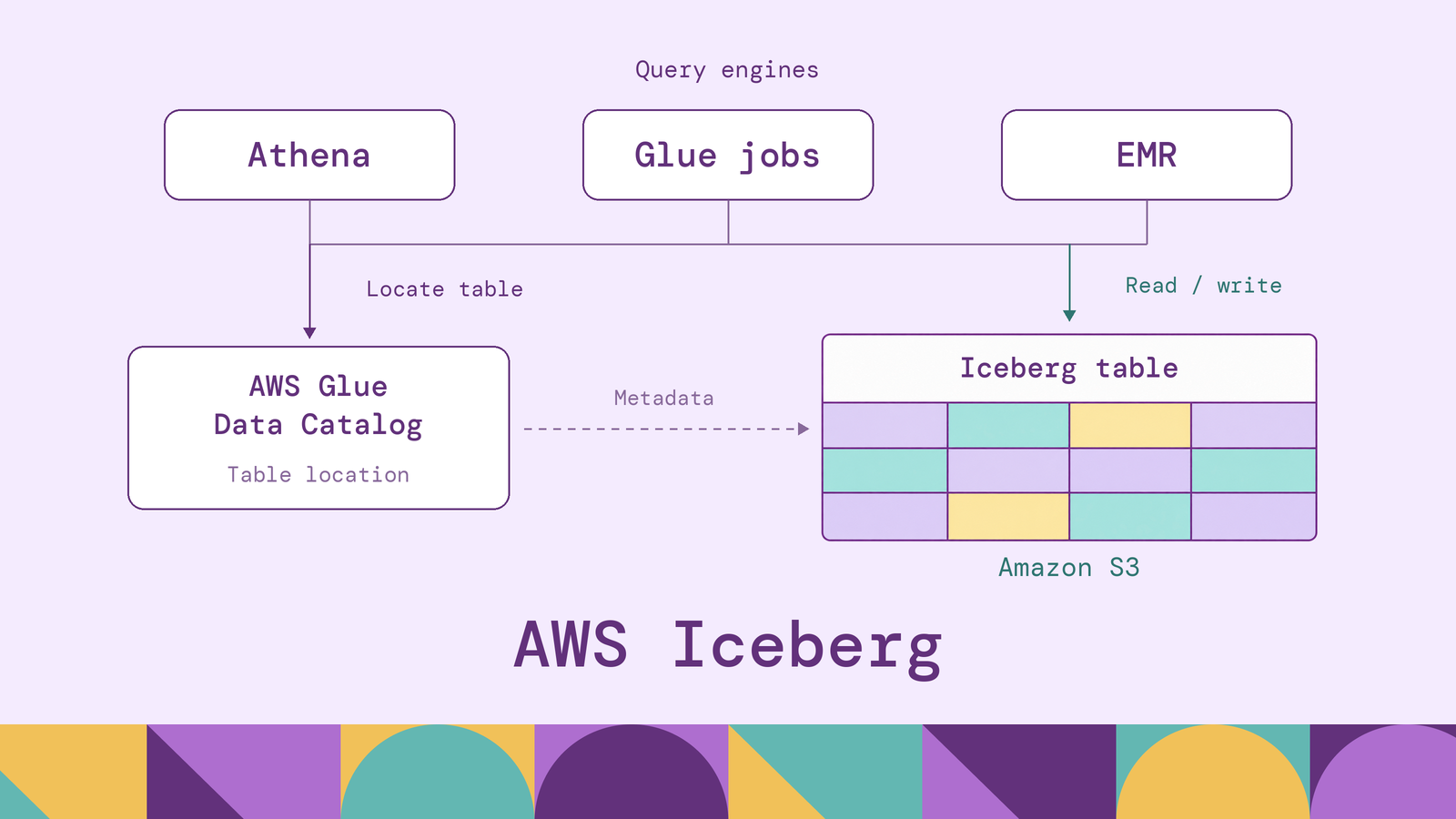
AWS Iceberg: Architecture, Features & Setup Guide
Learn how Apache Iceberg works on AWS with Amazon S3, Glue, Athena, and EMR. Explore architecture, table management, optimization, and use cases.
Data Lakehouse
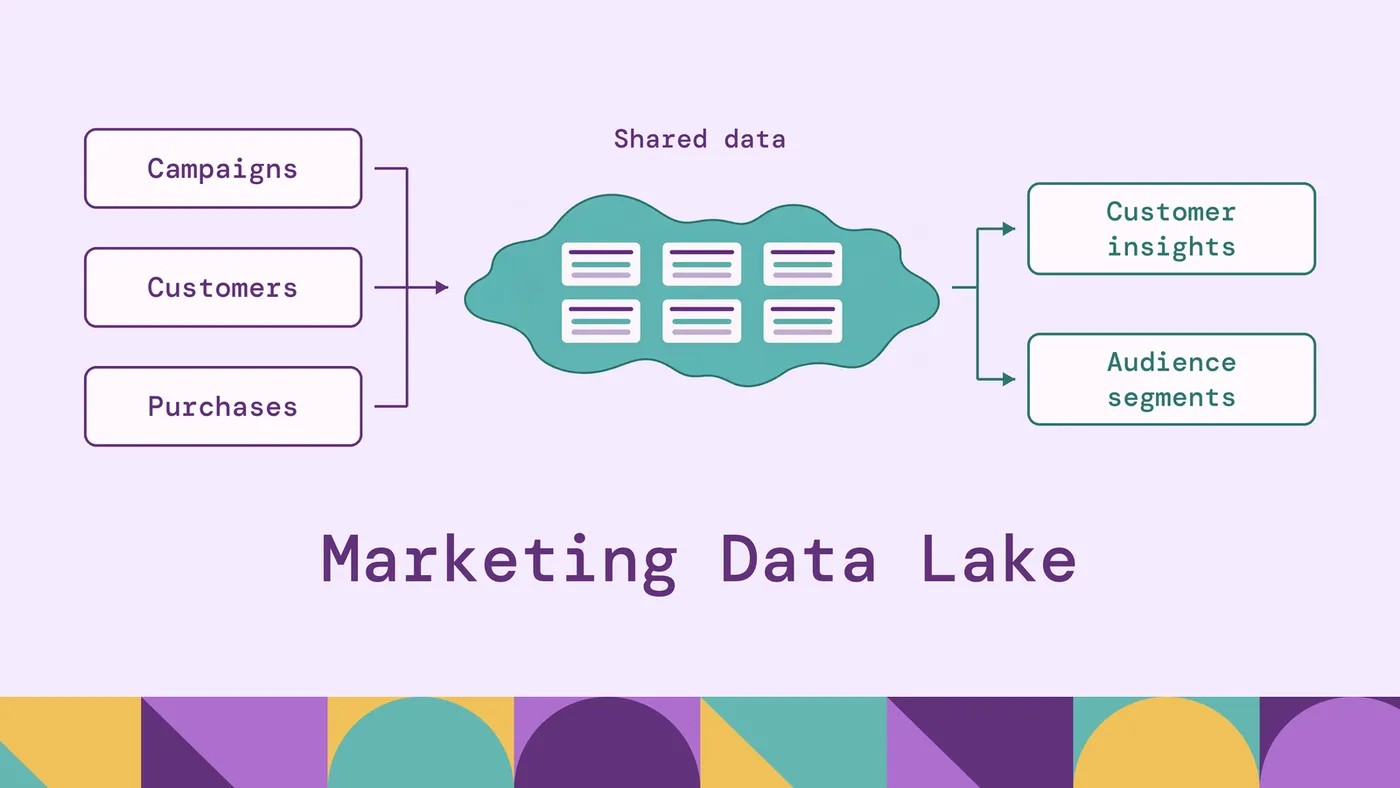
Marketing Data Lake: Benefits, Architecture & Use Cases
Learn what a marketing data lake is, how it works, its key benefits, architecture, and use cases for marketing analytics and customer insights.
Data Lakehouse
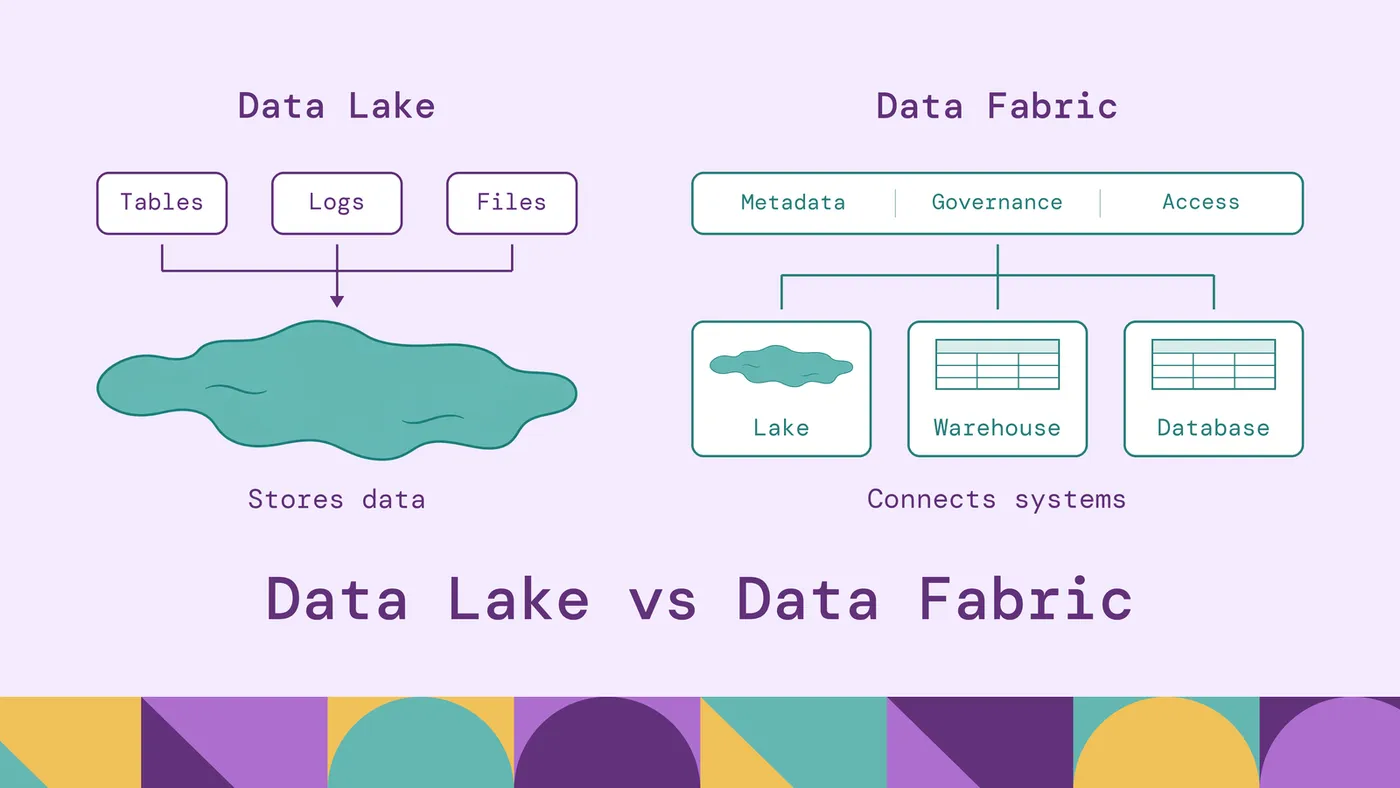
Data Lake vs Data Fabric: Key Differences & Use Cases
Compare data lake vs data fabric, including architecture, benefits, use cases, and key differences. Learn which approach fits your data strategy.
Data Lakehouse
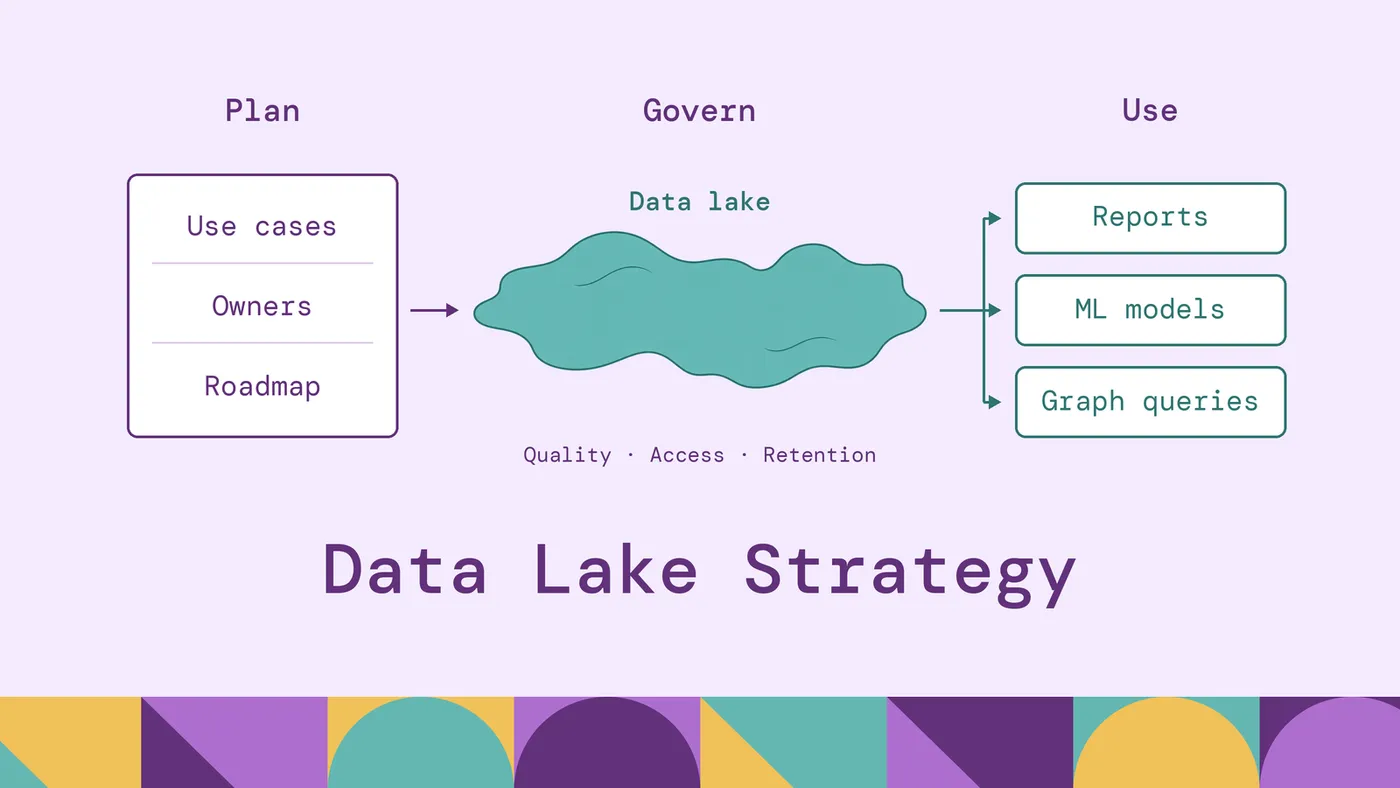
Data Lake Strategy: Implementation & Framework
Learn how to build a successful data lake strategy with a practical framework, architecture, implementation roadmap, governance, and best practices.
Data Lakehouse
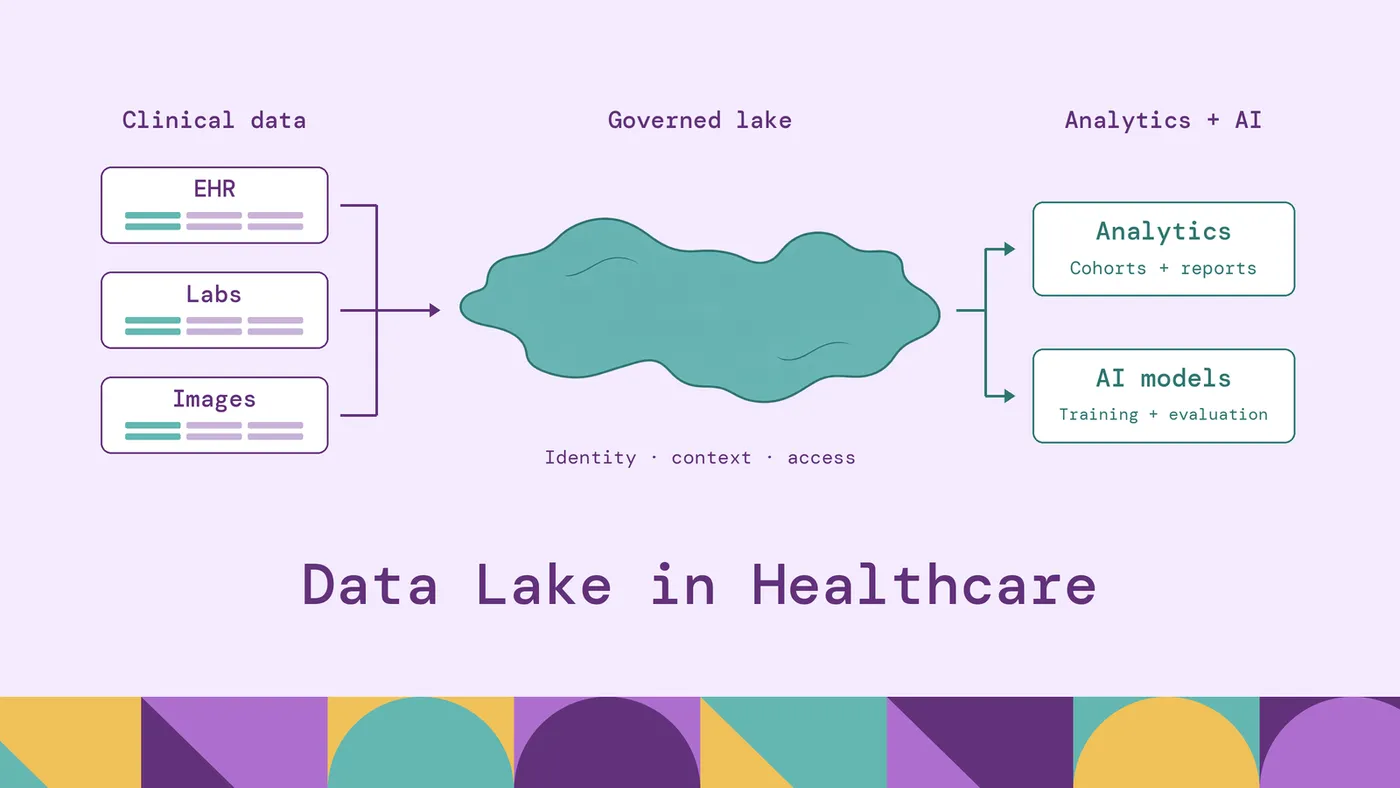
Data Lake in Healthcare: Benefits, Use Cases & Architecture
Learn how a data lake in healthcare works, its architecture, benefits, use cases, challenges, and role in healthcare analytics and AI.
Database Concept
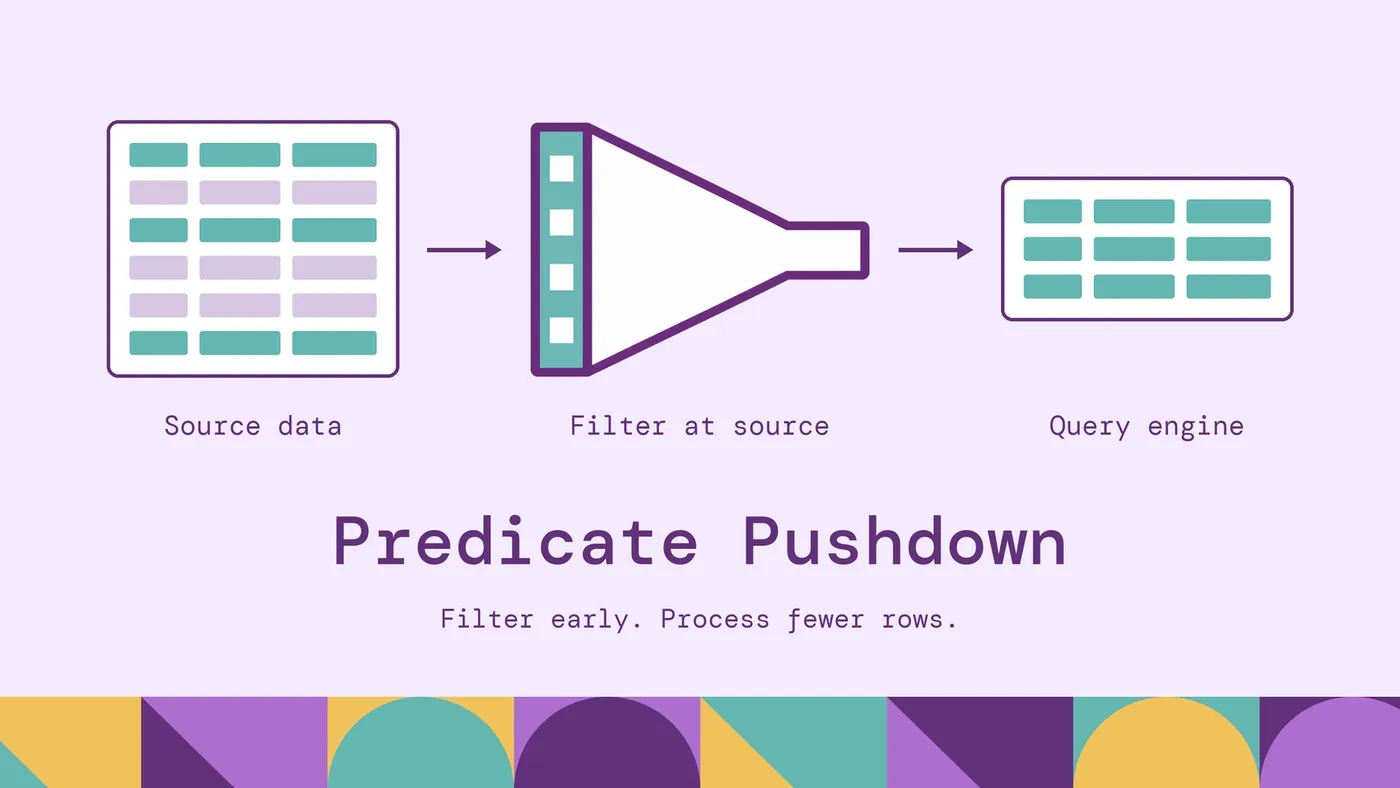
Predicate Pushdown: How It Works?
Learn what predicate pushdown is, how it works in SQL, Spark, and data lakes, with practical examples, performance benefits, and query optimization tips.
Graph Algorithm
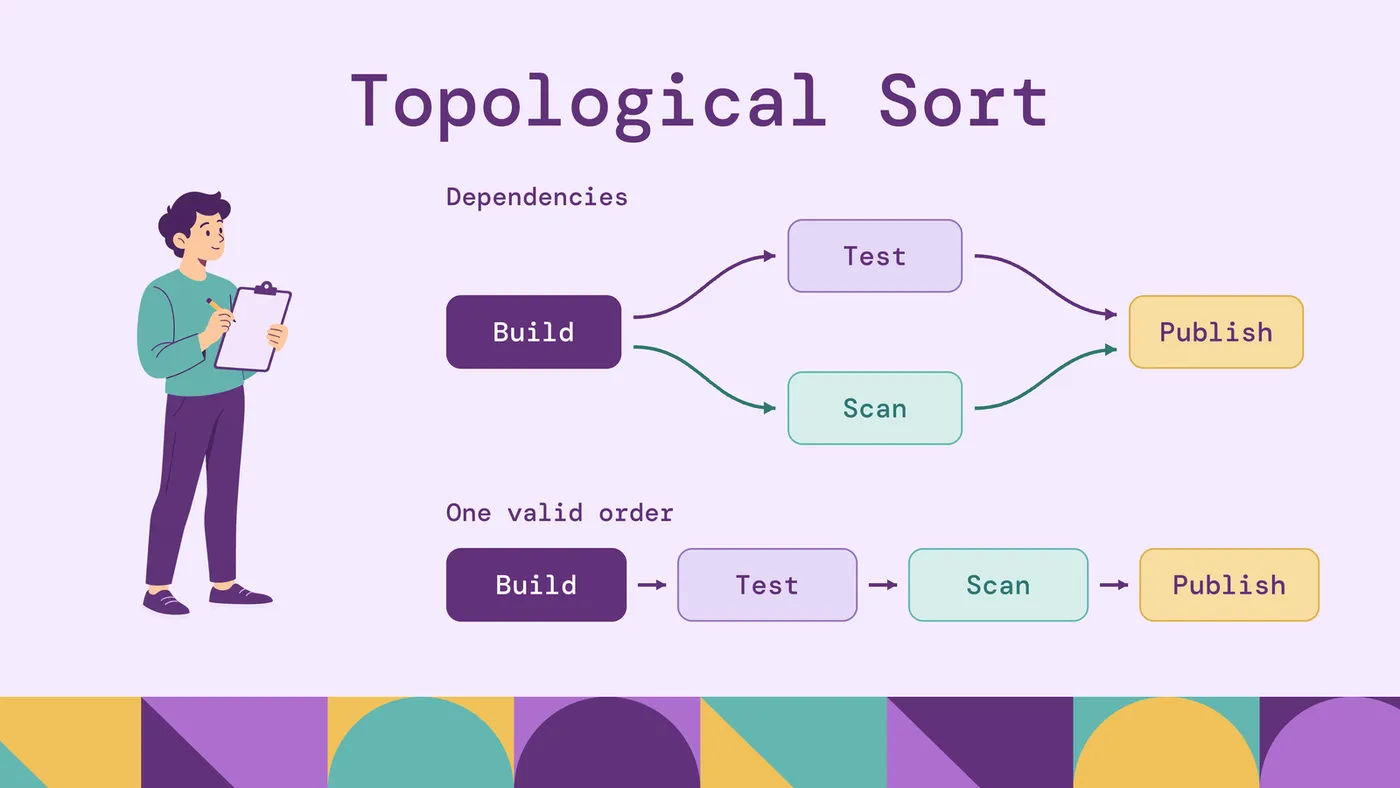
Topological Sort: Algorithms, Examples & Applications
Learn how topological sort works with Kahn's algorithm, DFS, Python examples, time complexity, and real-world applications in dependency management.
Database Concept
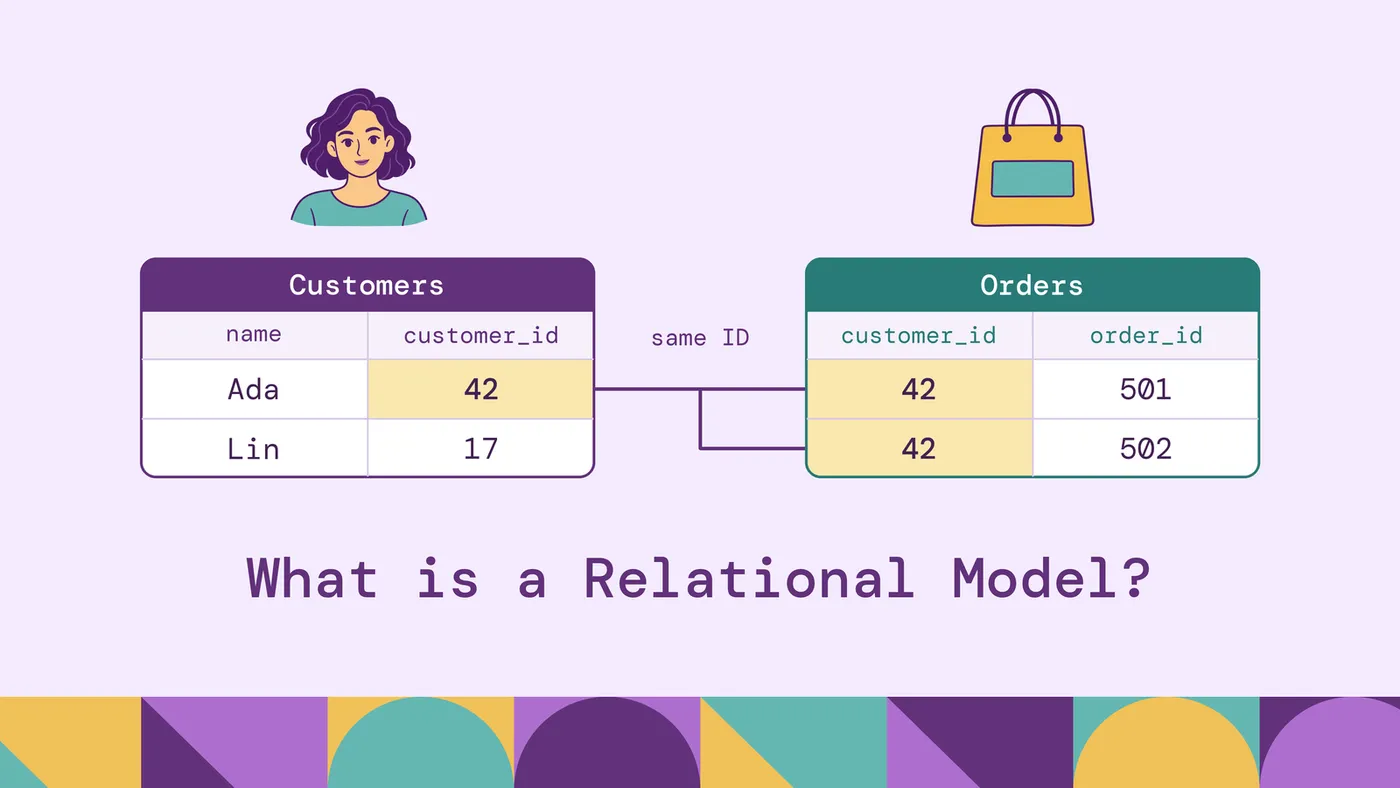
What Is Relational Model? A Guide
Learn what the relational model is in DBMS, how it works, its key components, constraints, examples, advantages, limitations, and applications.
Database Concept
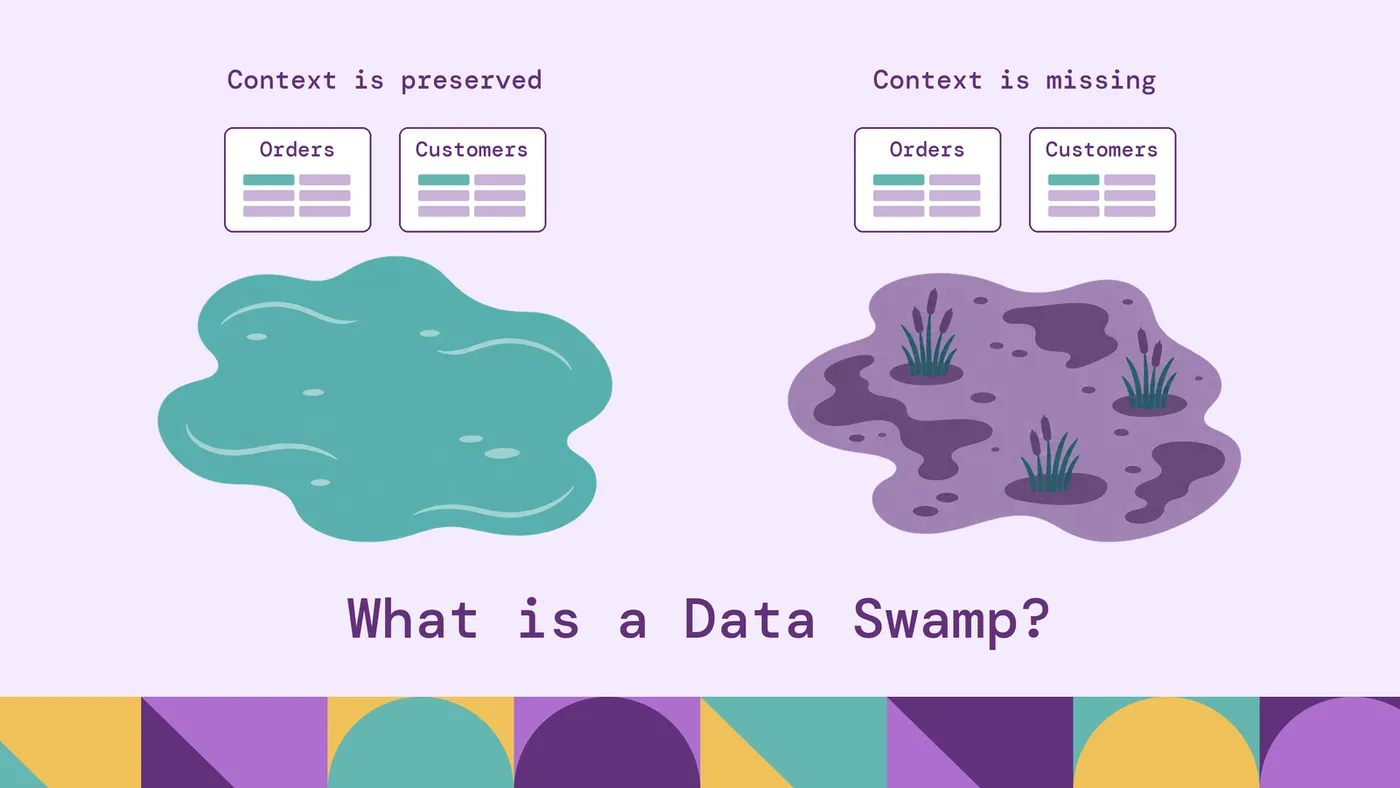
Data Swamp: Definition, Causes, Examples & Prevention
Learn what a data swamp is, how it differs from a data lake, common causes, challenges, examples, and best practices to prevent and fix data swamps.
Database Concept
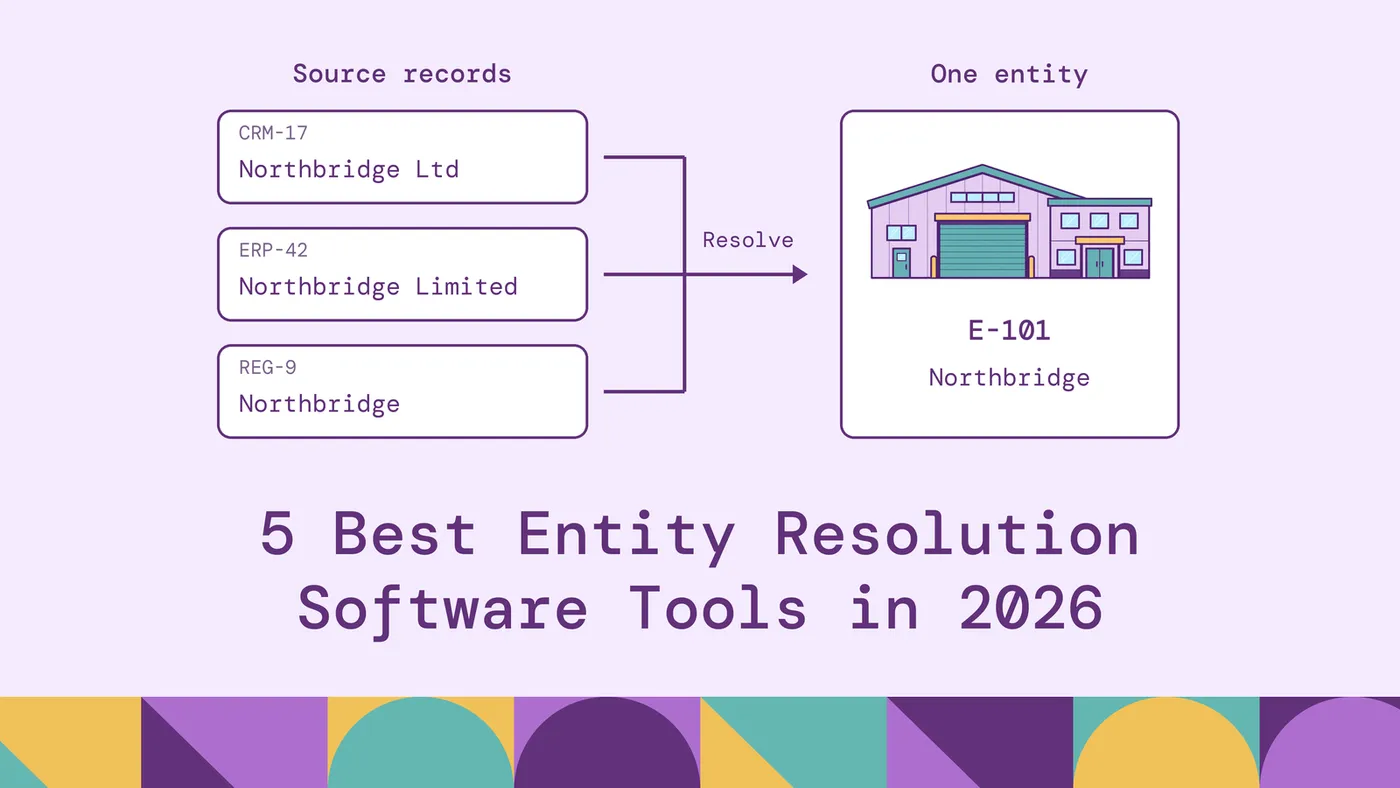
5 Best Entity Resolution Software Tools in 2026
Compare the 5 best entity resolution software tools in 2026. Explore features, capabilities, use cases, and solutions for enterprise data matching.
Data Lakehouse
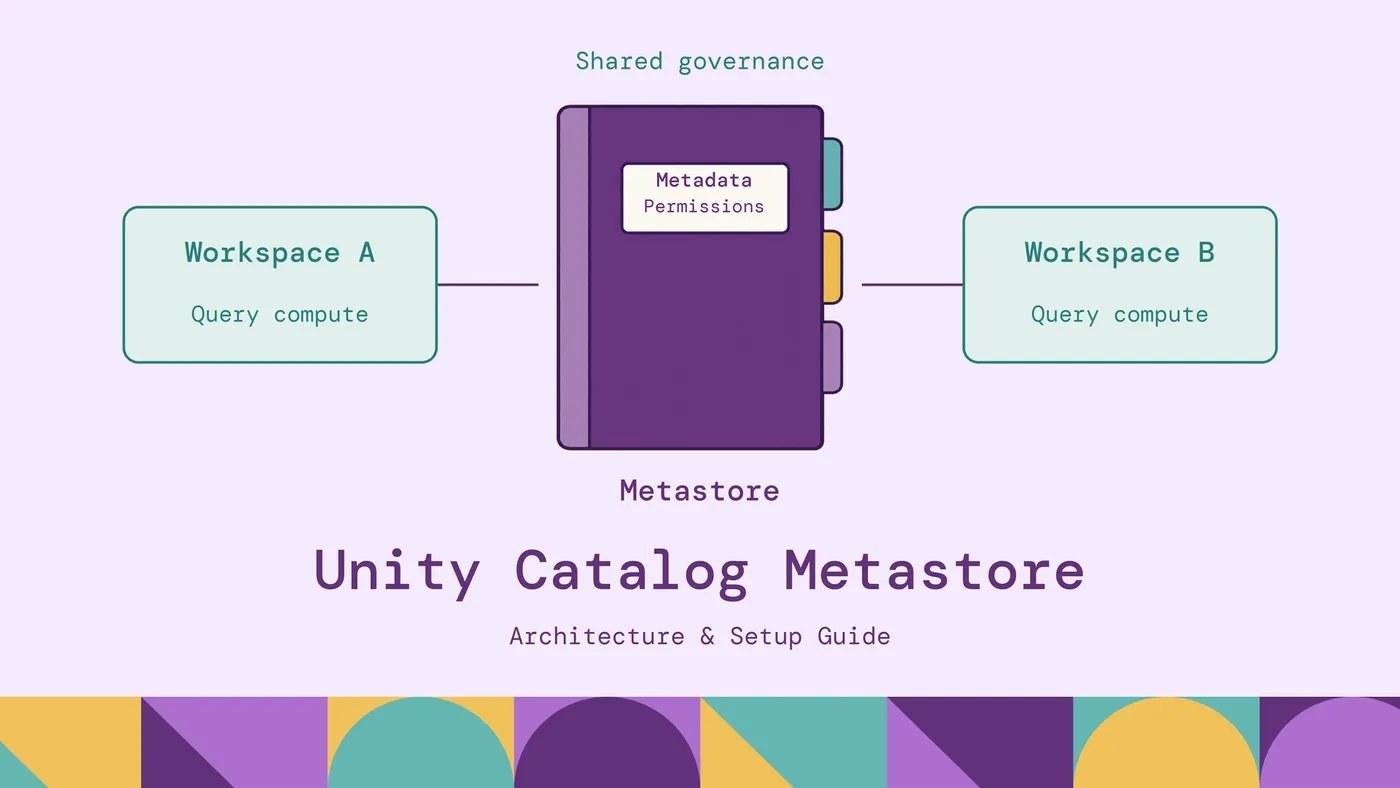
Unity Catalog Metastore: Architecture & Setup Guide
Learn how Unity Catalog metastore works in Databricks, including architecture, setup, permissions, storage, Hive Metastore migration, and best practices.
Data Lakehouse
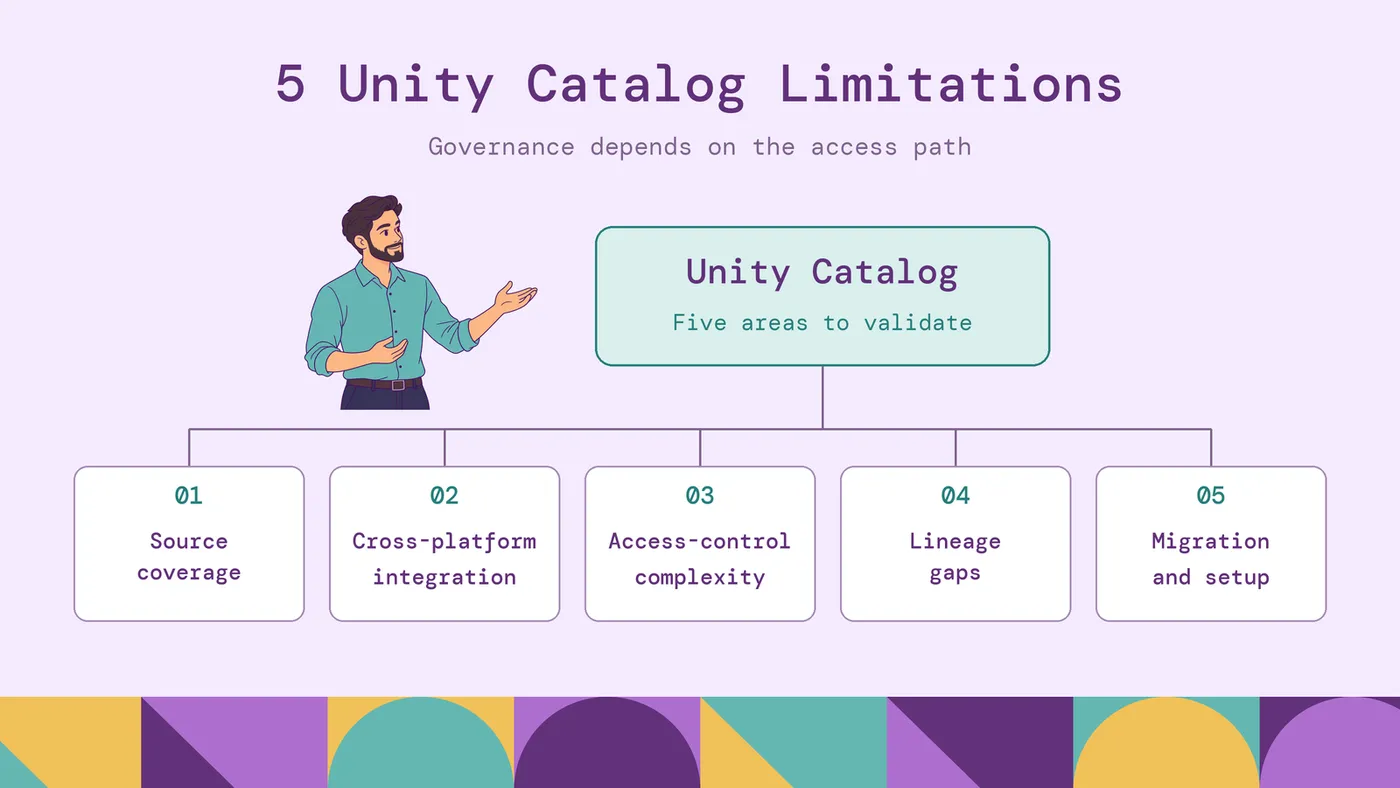
5 Unity Catalog Limitations and How to Overcome Them
Explore 5 key Unity Catalog limitations, including integration challenges, access control complexity, data lineage gaps, and migration challenges.
Data Lakehouse
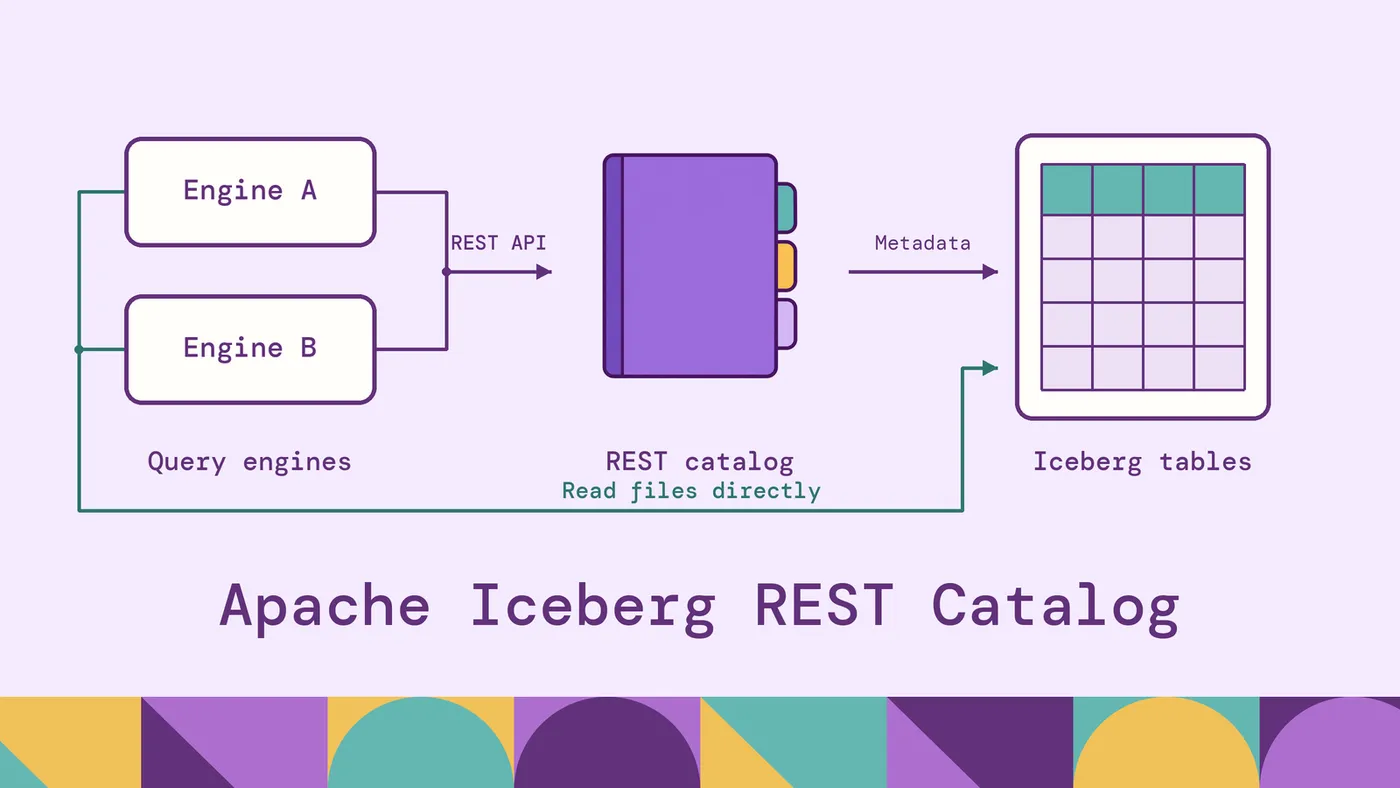
Apache Iceberg REST Catalog: Architecture & Setup Guide
Learn how Apache Iceberg REST Catalog works, including architecture, REST APIs, Spark configuration, catalog implementations, security, and best practices.
Data Lakehouse
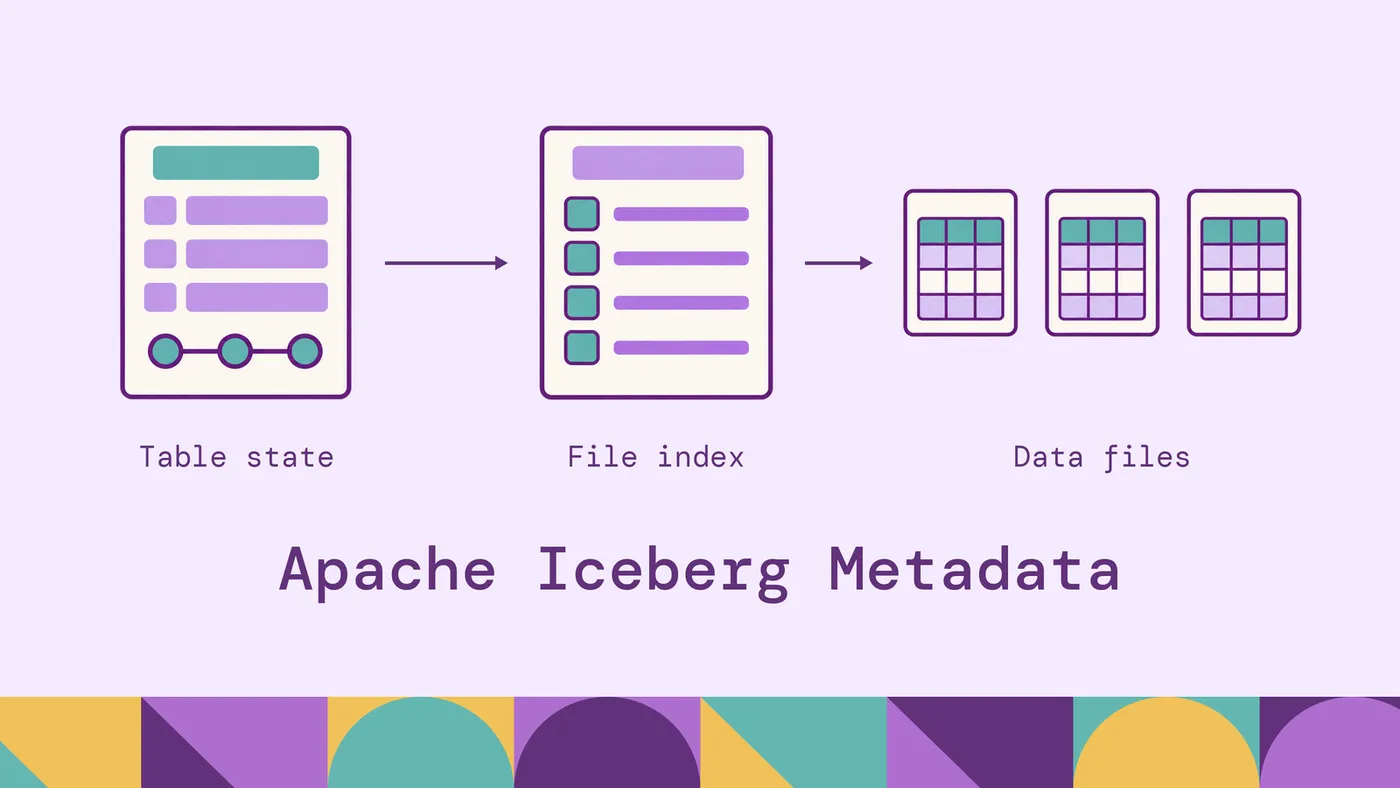
Apache Iceberg Metadata: Architecture & Best Practices
Learn how Apache Iceberg metadata works, including metadata files, manifests, snapshots, metadata tables, architecture, and optimization best practices.
Data Lakehouse
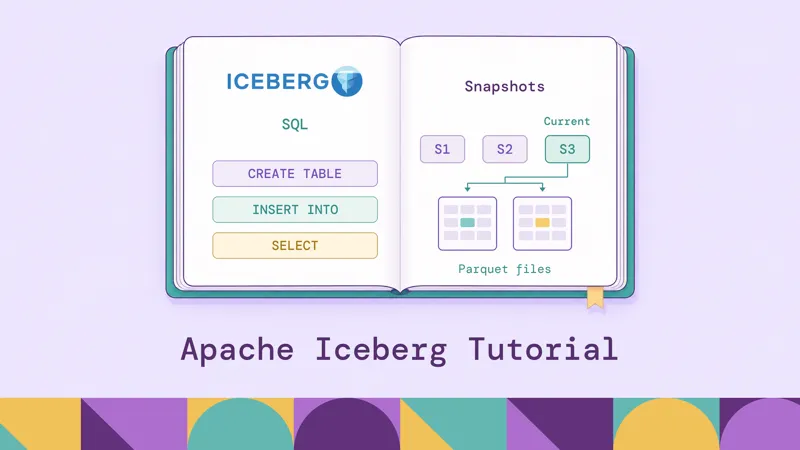
Apache Iceberg Tutorial: Guide for Beginners
Learn Apache Iceberg with this step-by-step tutorial. Explore setup, architecture, SQL operations, time travel, schema evolution, and best practices.
Database Concept Data Lakehouse
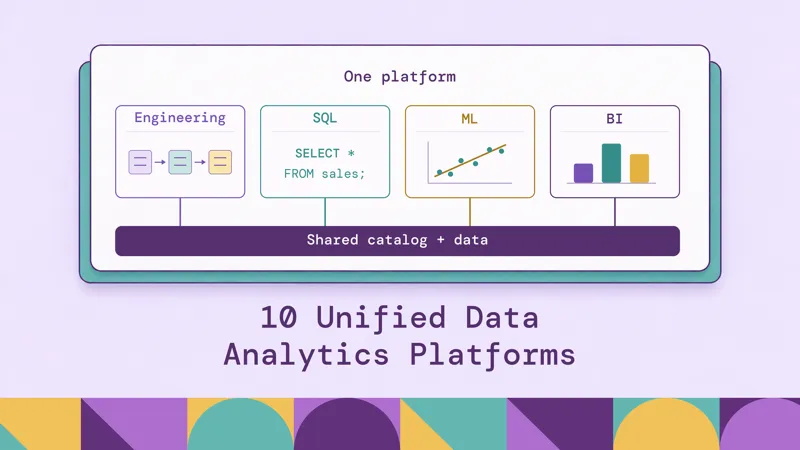
10 Best Unified Data Analytics Platforms & Key Features
Explore the best unified data analytics platforms, their architecture, features, benefits, use cases, and how to choose the right solution for your business.
Database Concept
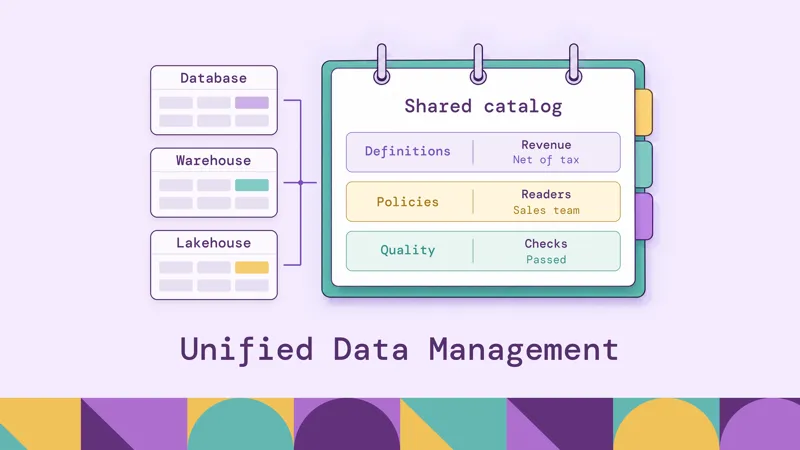
Unified Data Management: Architecture, Benefits & Tools
Learn how unified data management works, including its architecture, key components, benefits, tools, implementation strategies, and best practices.
Database Concept
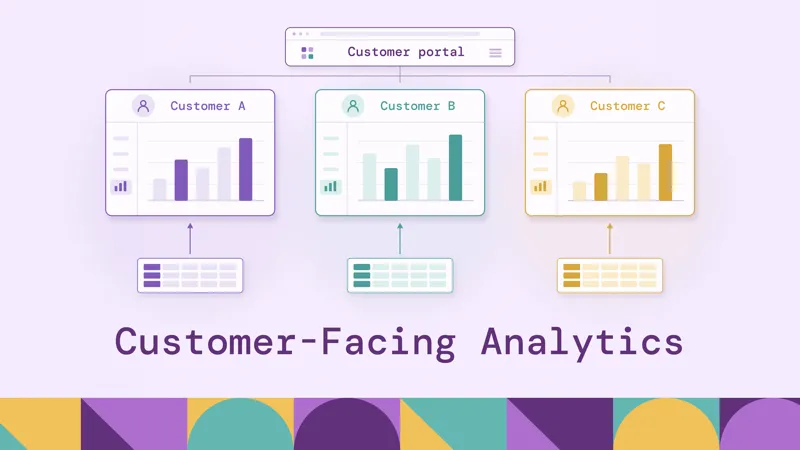
Customer-Facing Analytics: Benefits, Examples & Tools
Learn how customer-facing analytics works, including its architecture, benefits, examples, tools, implementation strategies, and best practices.
Database Concept
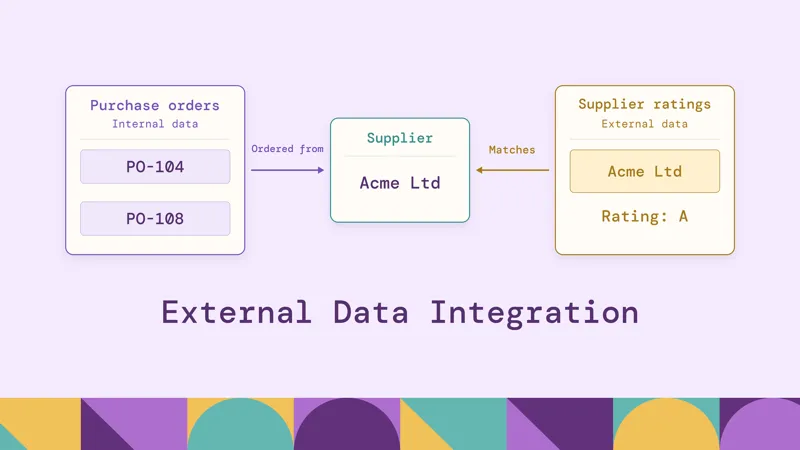
External Data Integration: Methods and Architecture
Learn how external data integration works, including its methods, architecture, source types, challenges, and implementation best practices.
AI/ML
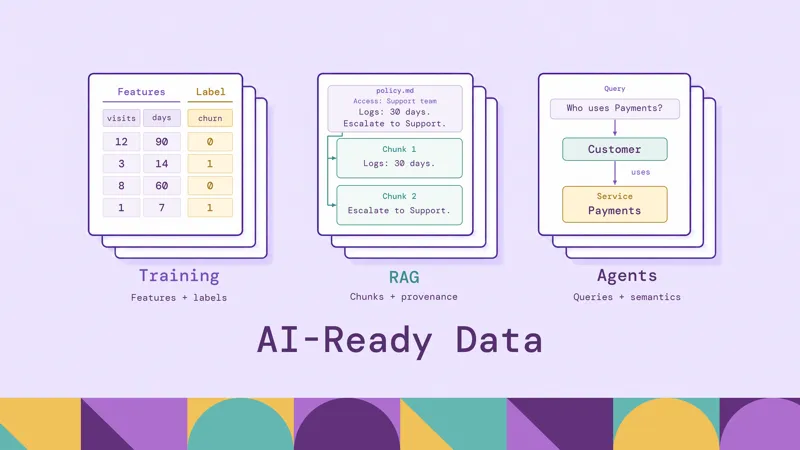
AI-Ready Data: Architecture, Preparation & Best Practices
Learn what AI-ready data is, why it matters, and how to prepare, govern, and optimize data for AI, machine learning, generative AI, and RAG applications.
Data Lakehouse
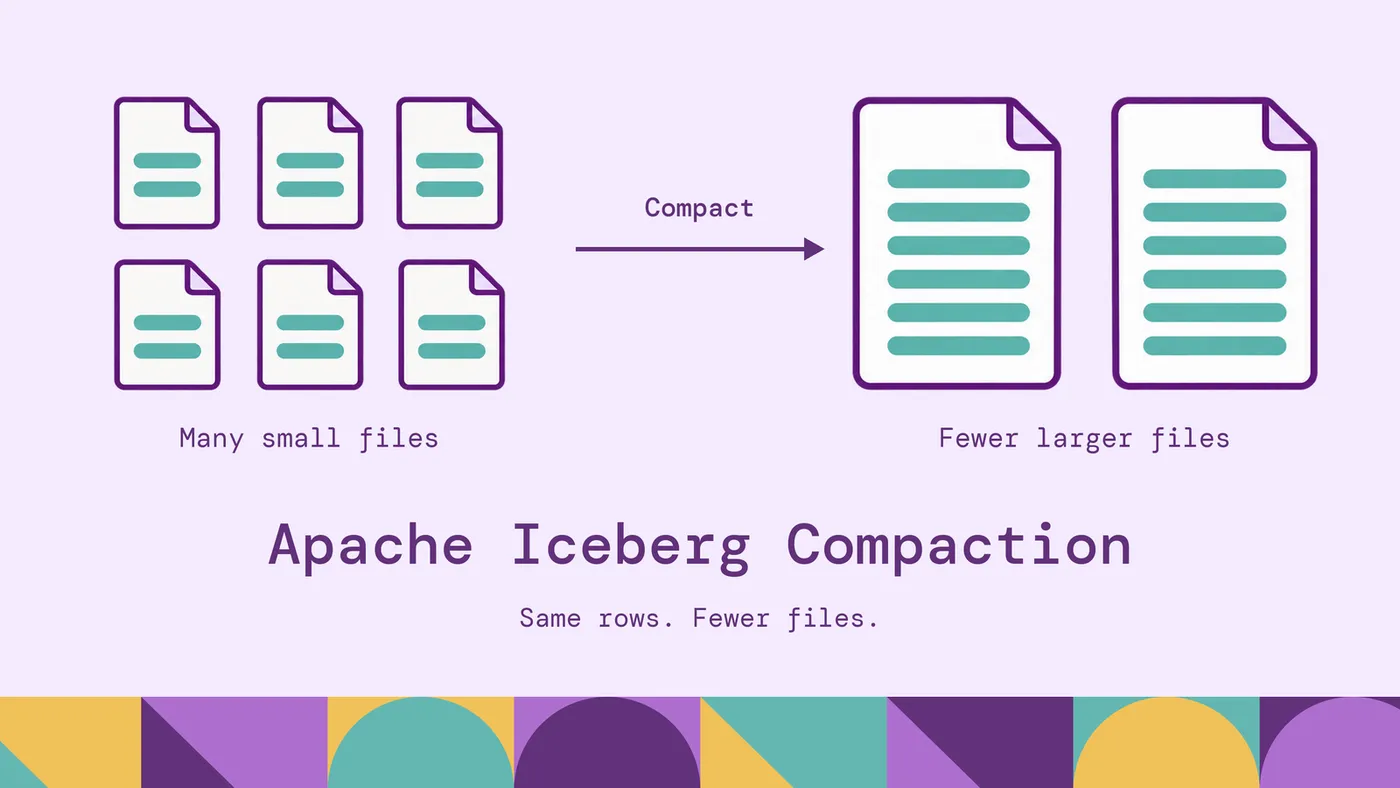
Apache Iceberg Compaction: Strategies & Best Practices
Learn how Apache Iceberg compaction works, including file compaction strategies, Spark SQL examples, performance optimization, and best practices.
Data Lakehouse
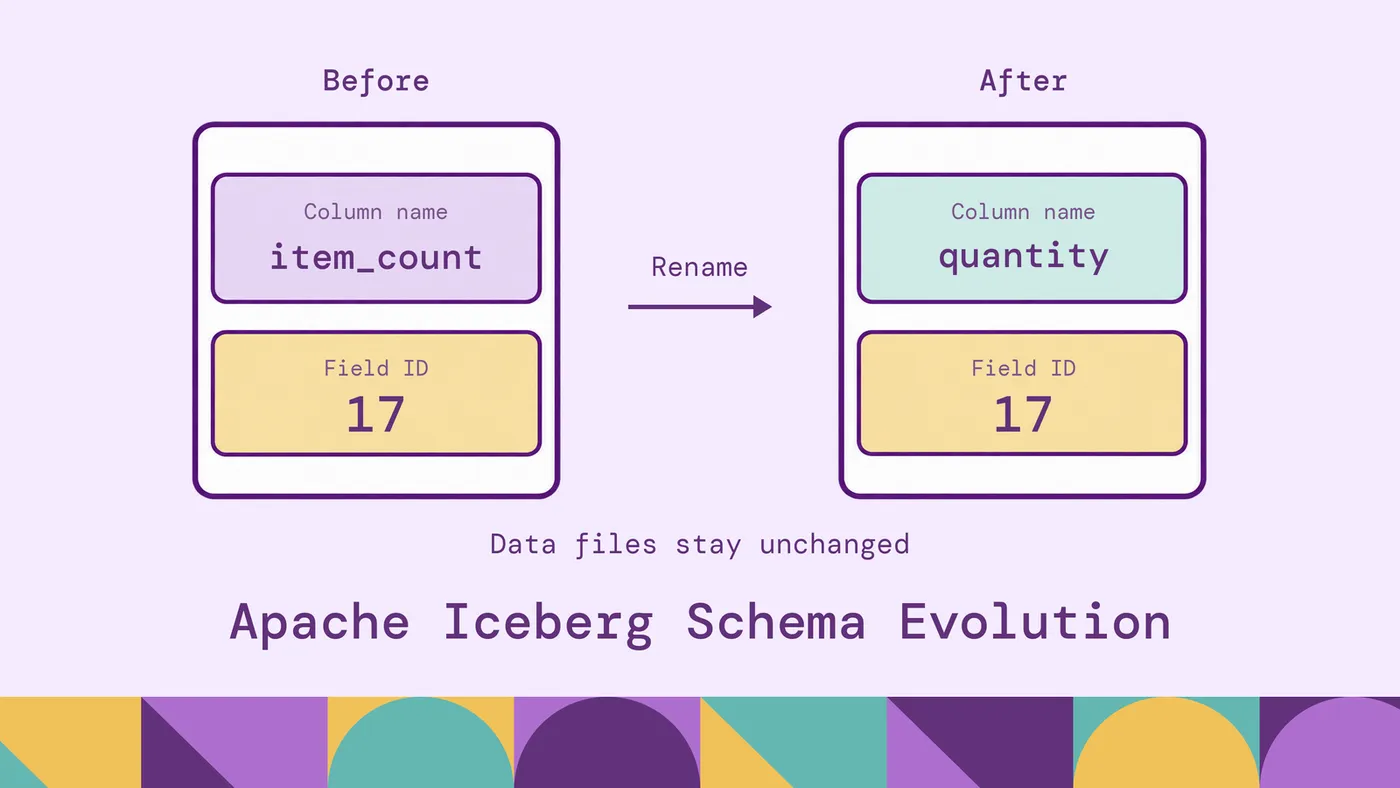
Apache Iceberg Schema Evolution: Complete Guide
Learn how Apache Iceberg schema evolution works, including column changes, schema compatibility, SQL examples, limitations, and best practices.
Data Lakehouse
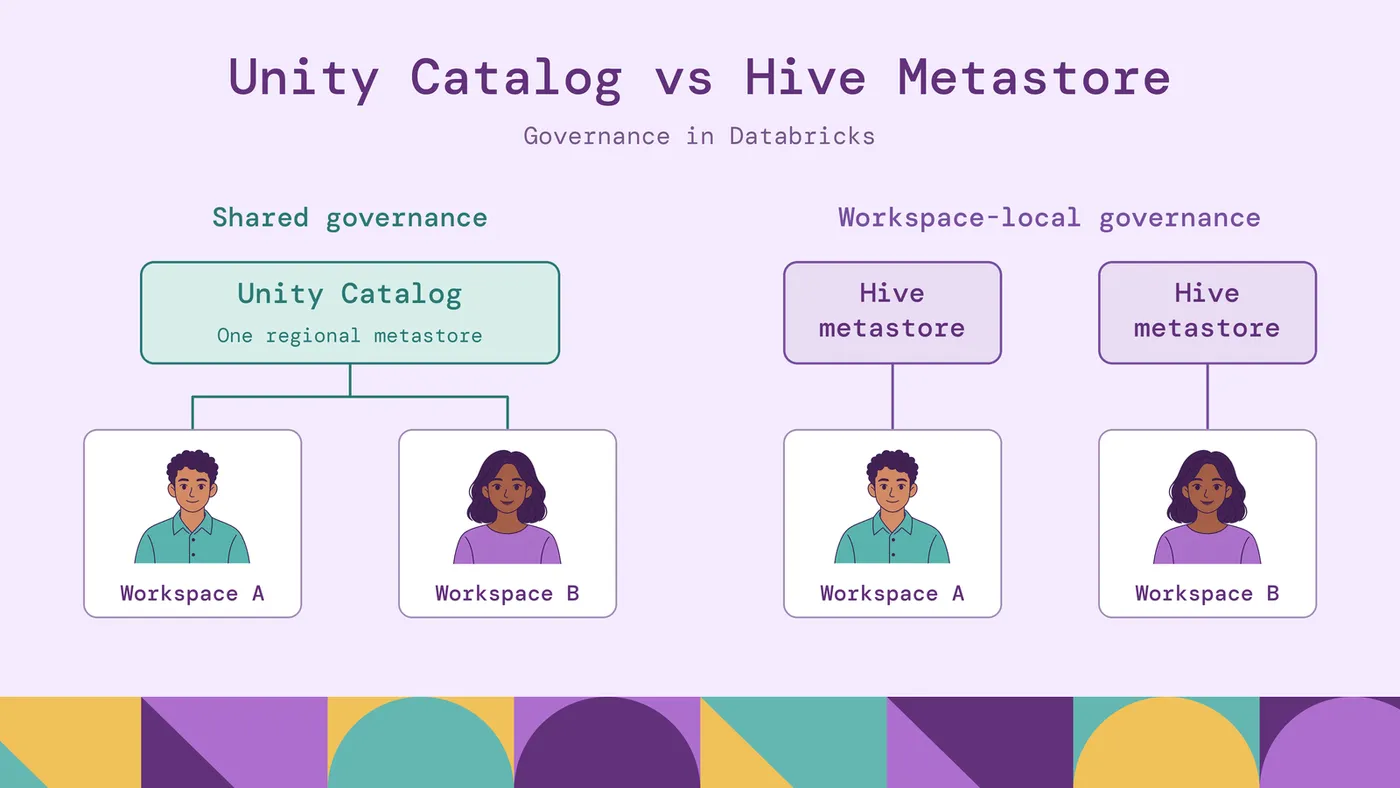
Unity Catalog vs Hive Metastore: Key Differences
Compare Unity Catalog vs Hive Metastore across architecture, governance, access control, lineage, security, Delta Lake support, and migration.
Cybersecurity Graph Data Model
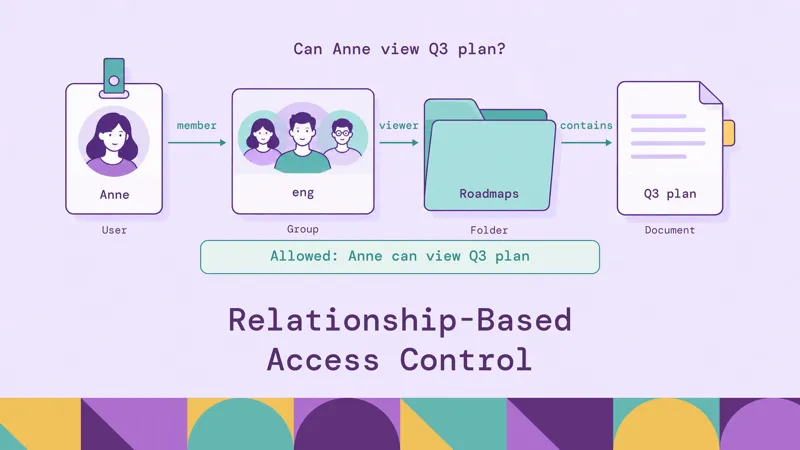
Relationship-Based Access Control (ReBAC): Complete Guide
Learn how relationship-based access control (ReBAC) works, its graph-based authorization model, use cases, benefits, implementation, and differences from RBAC and ABAC.
Data Lakehouse
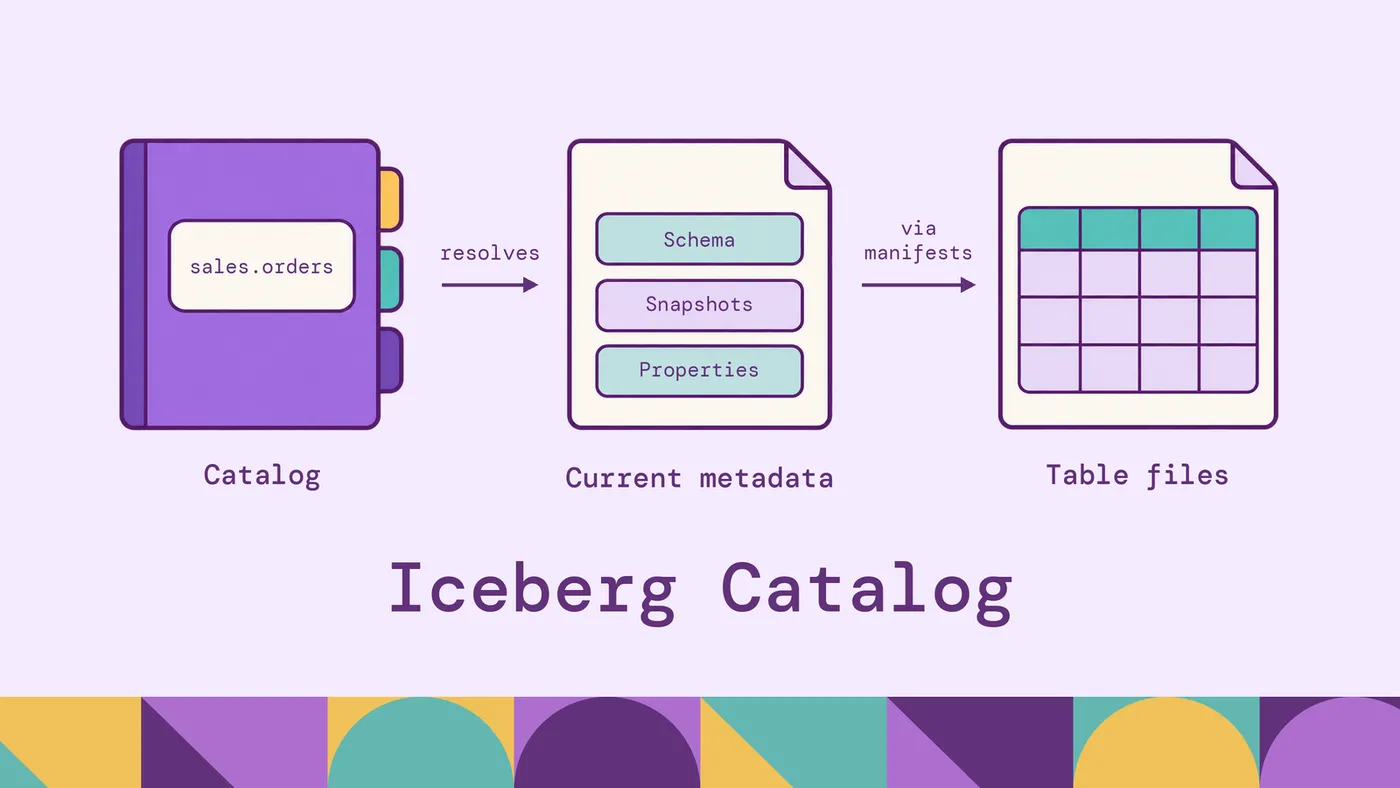
Iceberg Catalog: Architecture, Types & How It Works
Learn what an Iceberg Catalog is, how it works, its architecture, catalog types, REST Catalog, Hive Metastore, AWS Glue, and key use cases.
Cybersecurity
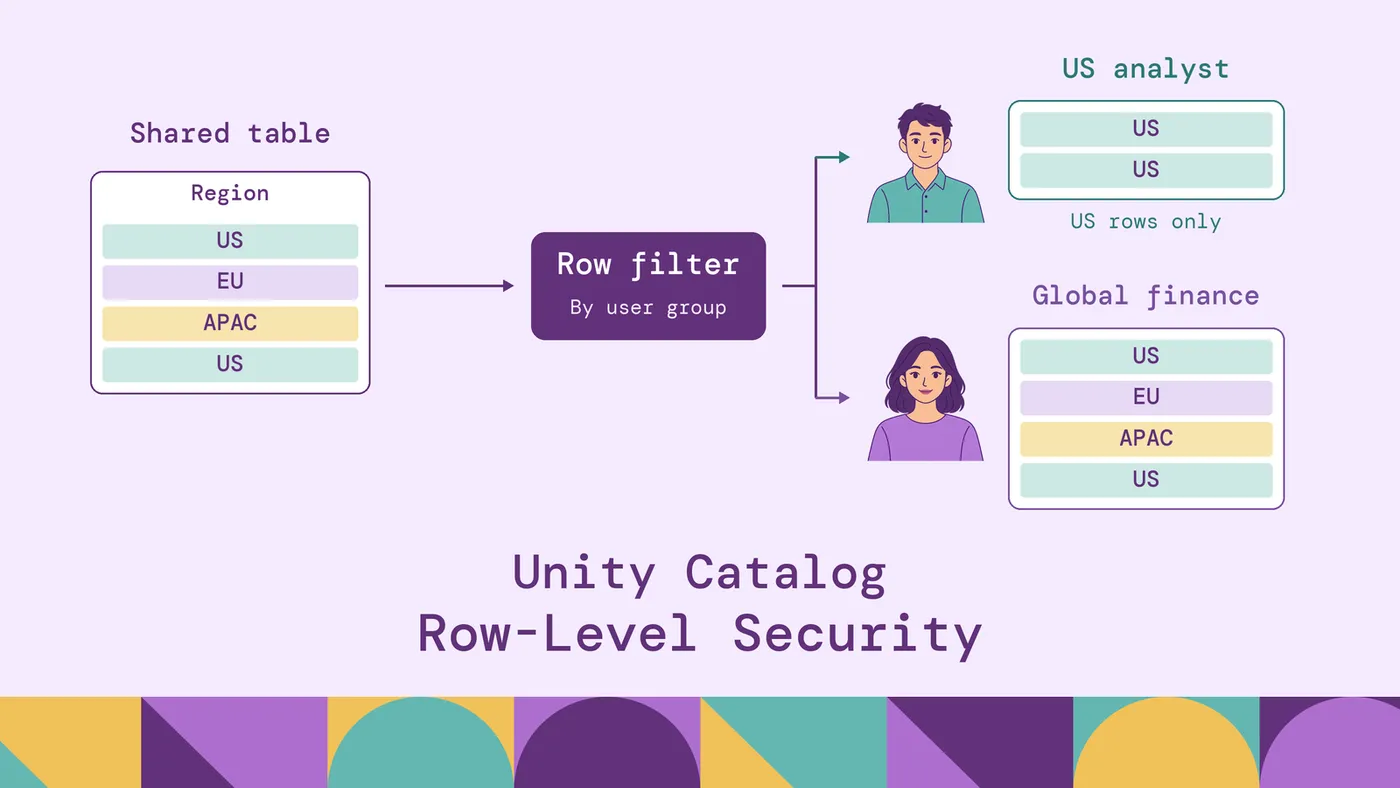
Unity Catalog Row-Level Security: Complete Guide
Learn how Unity Catalog row-level security works, including row filters, SQL UDFs, ABAC, dynamic views, implementation, use cases, and best practices.
Database Concept
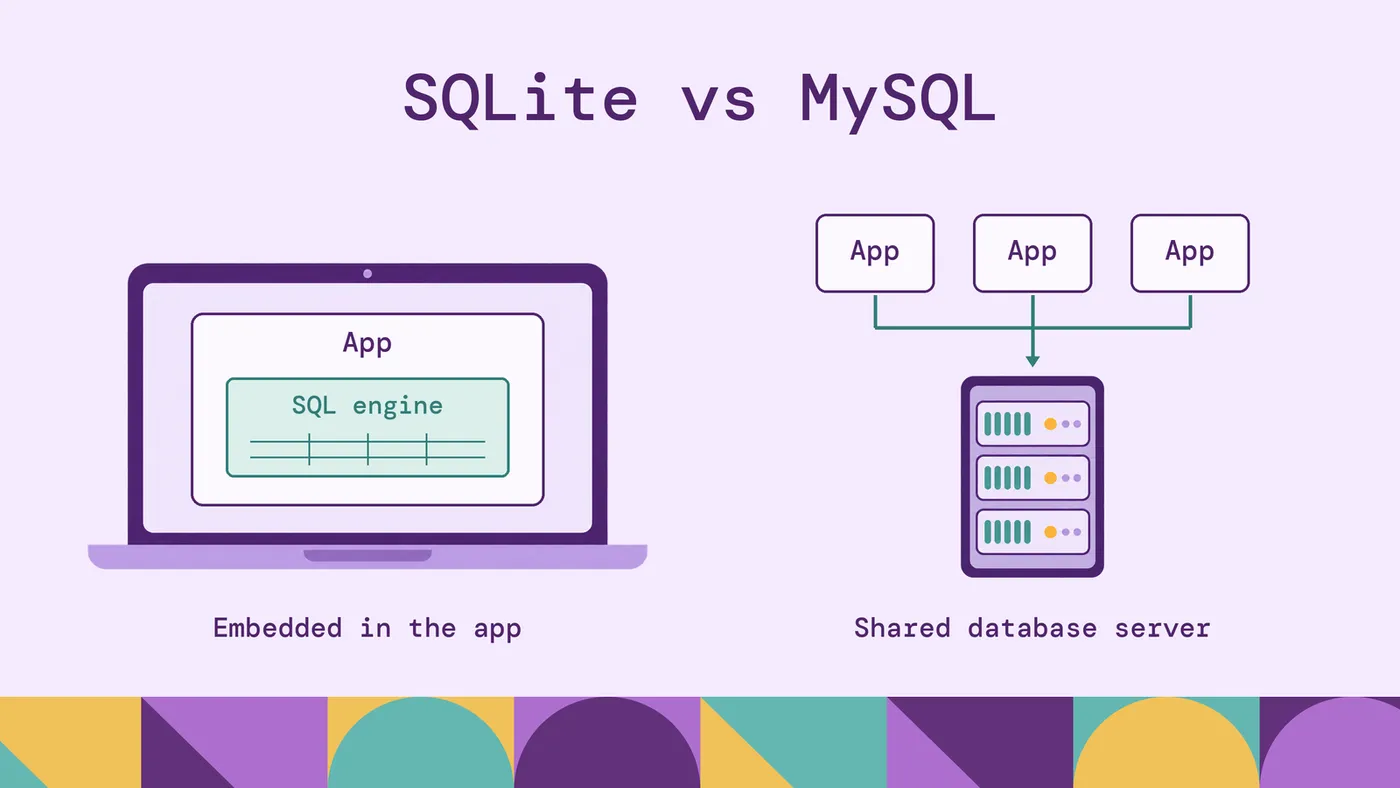
SQLite vs MySQL: Key Differences
Compare SQLite vs MySQL to understand their differences in architecture, performance, scalability, concurrency, security, use cases, and features.
Database Concept
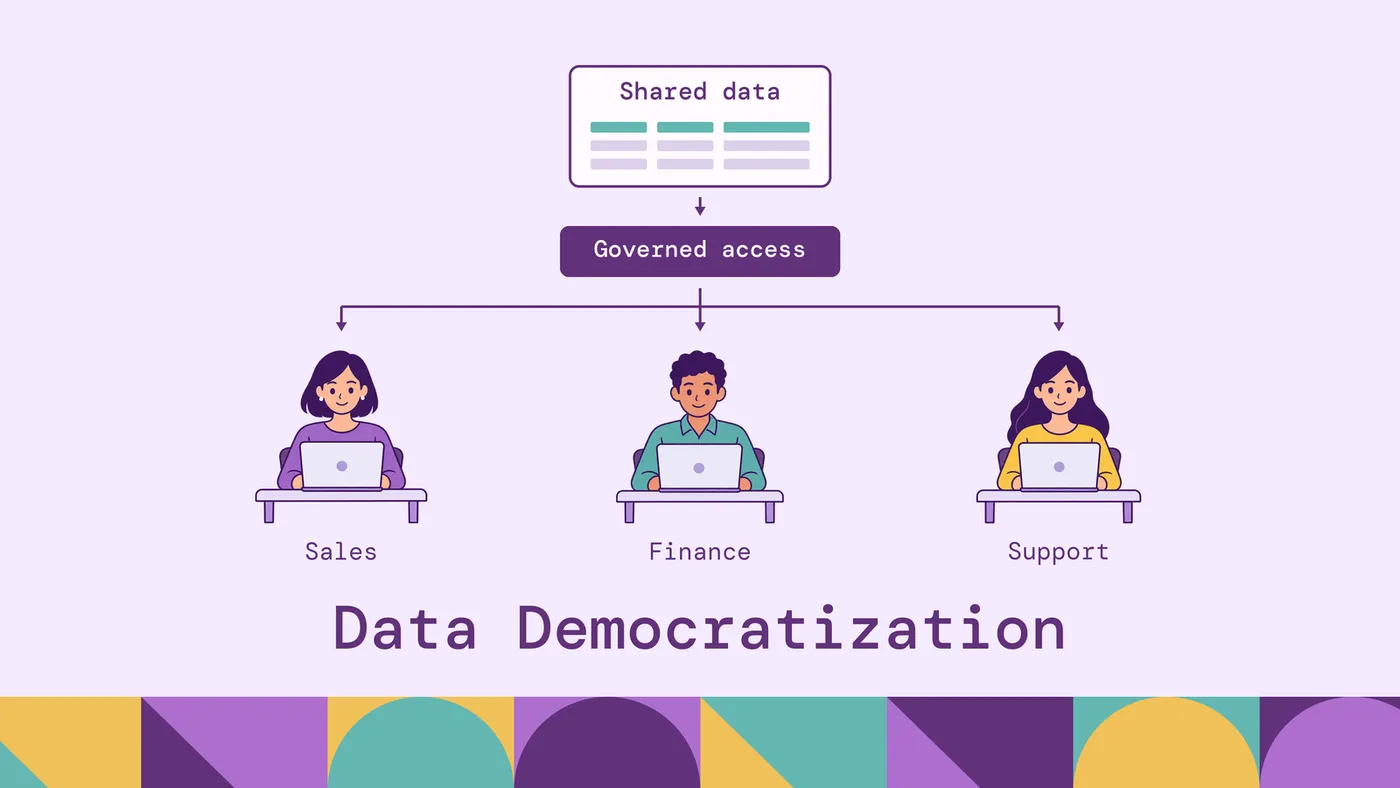
Data Democratization: Benefits, Challenges & Best Practices
Learn what data democratization is, how it works, its benefits and challenges, and how organizations can make data accessible while maintaining governance and security.
AI/ML
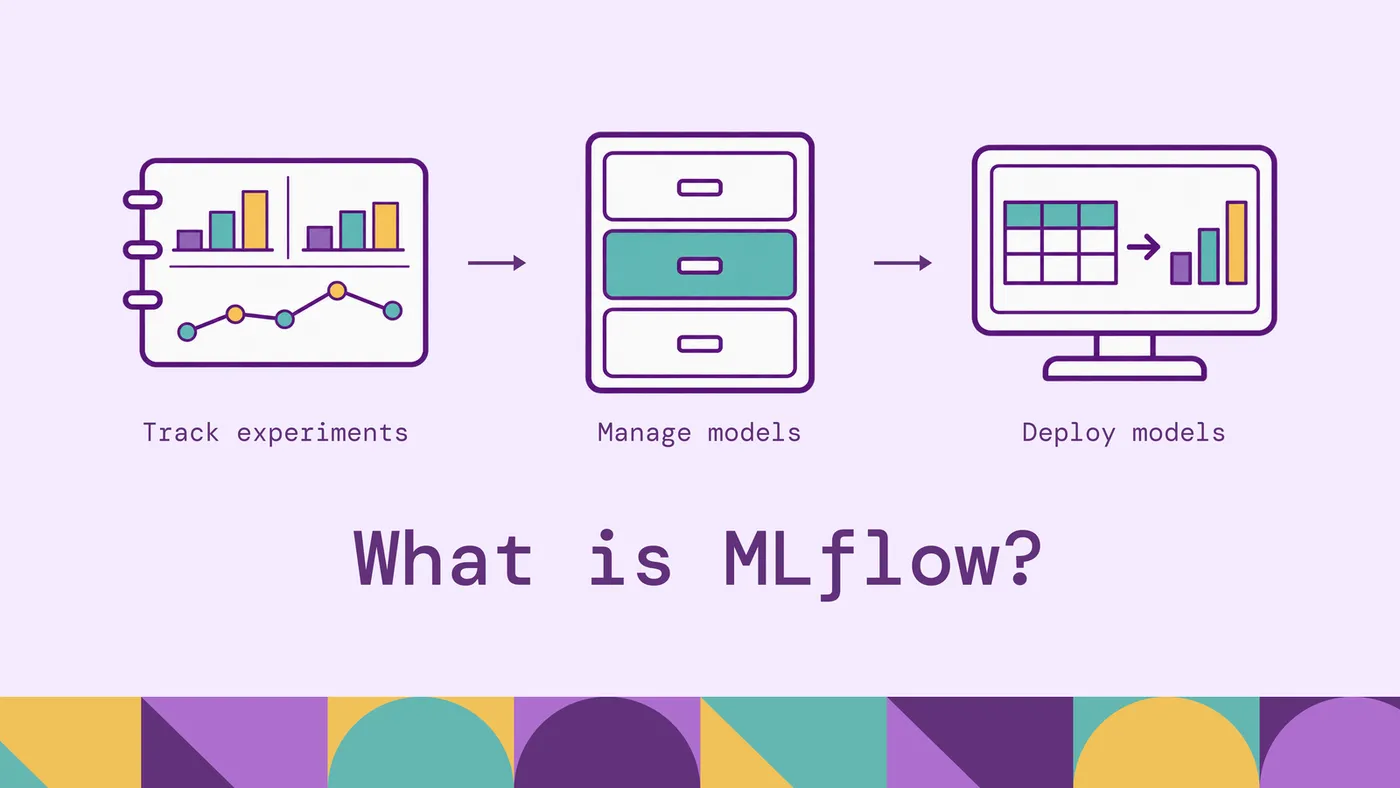
What Is MLflow? Features, Components & Guide
Learn what MLflow is, how it works, its key components, model tracking, registry, deployment, use cases, and role in MLOps.
Database Concept
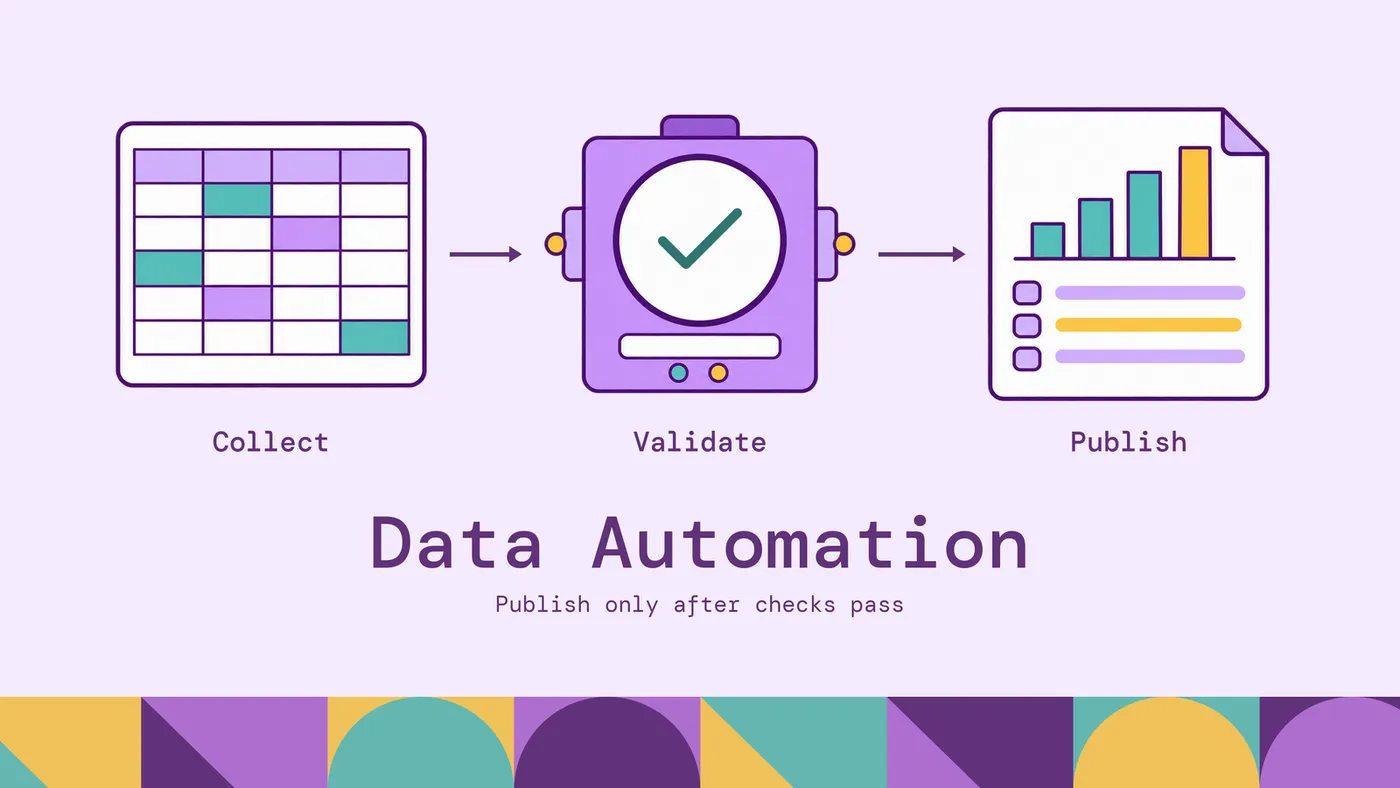
Data Automation: Benefits, Use Cases & How It Works
Learn what data automation is, how it works, its key benefits and use cases, common tools, challenges, and how to implement it effectively.
AI/ML
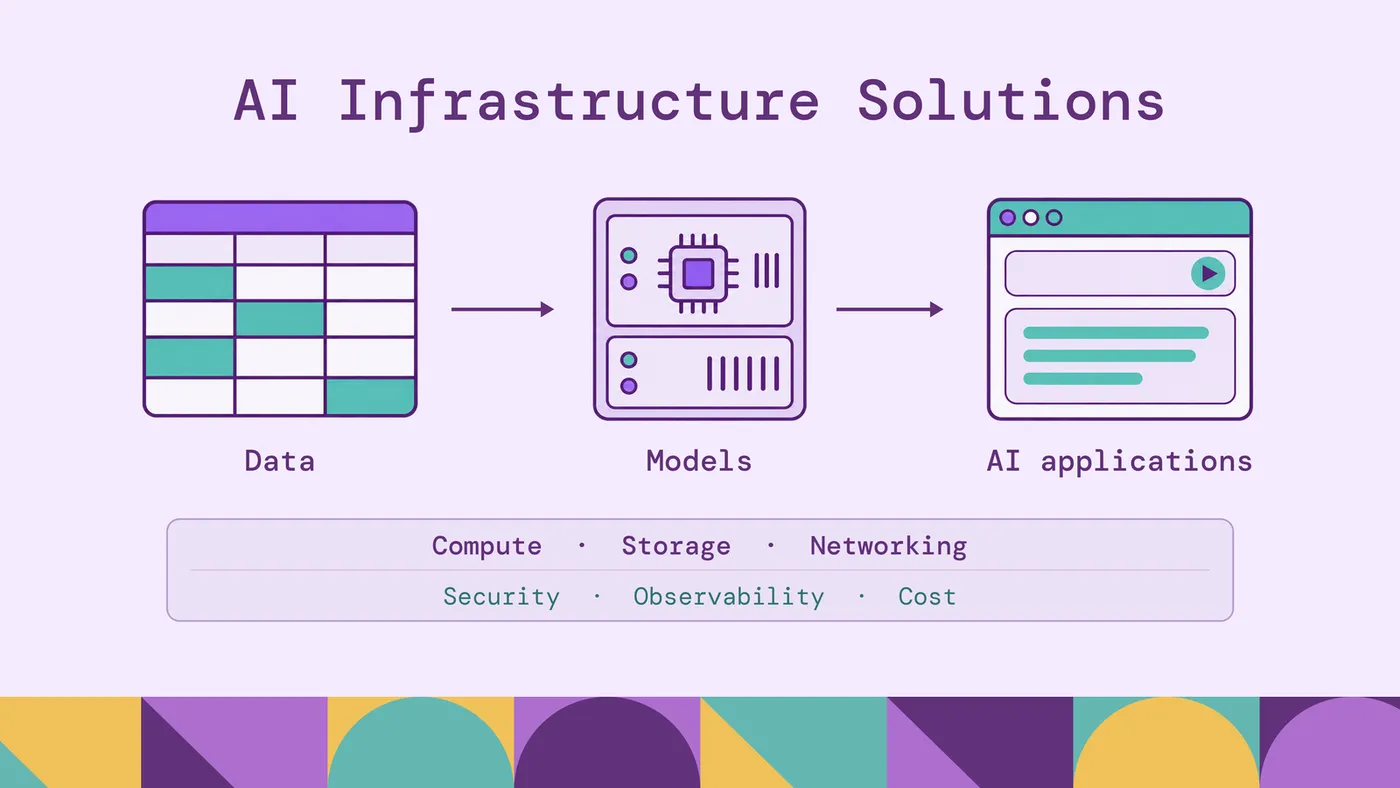
AI Infrastructure Solutions: Components, Benefits & Guide
Explore AI infrastructure solutions, including compute, storage, networking, data, models, security, scalability, costs, and best practices.
Database Concept
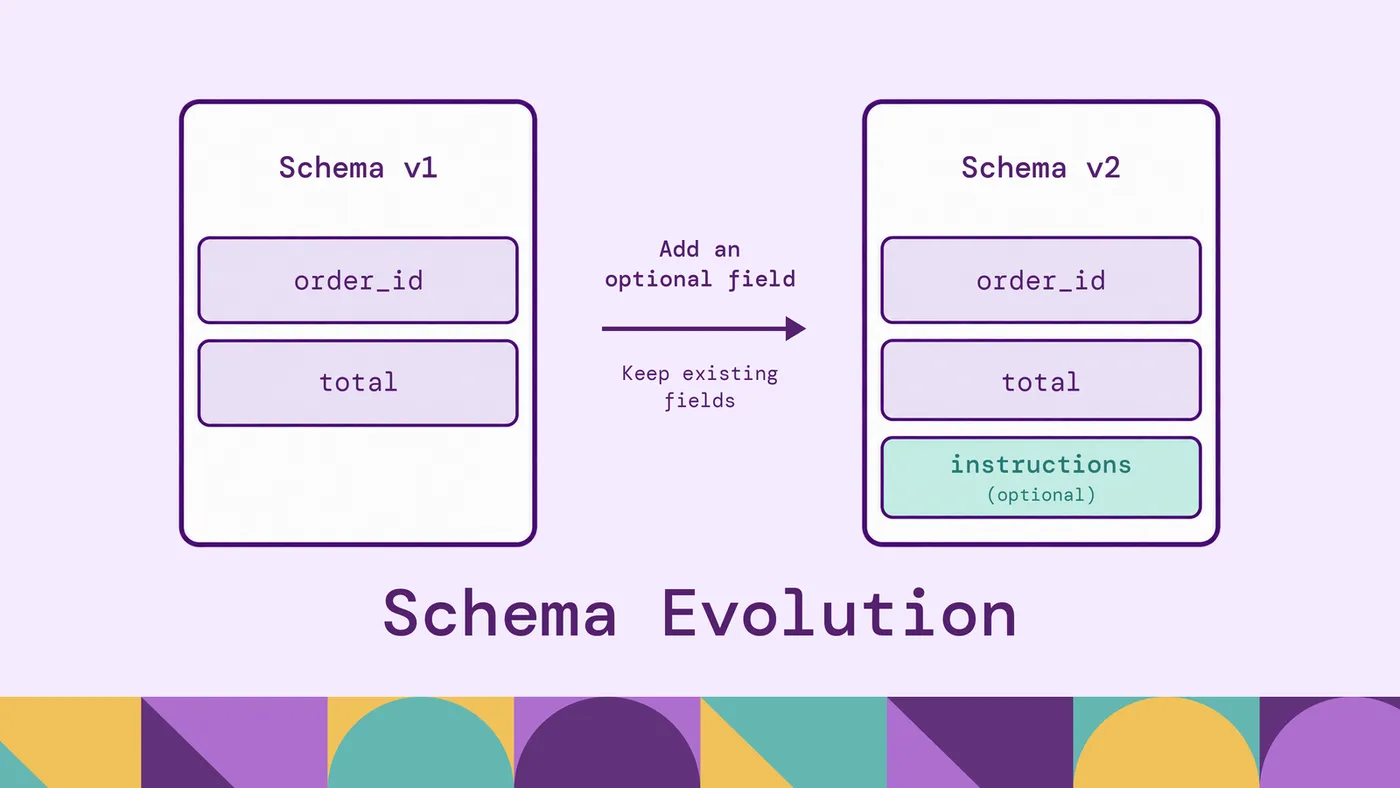
Schema Evolution: Types & Strategies
Learn what schema evolution is, how it works, compatibility types, schema evolution strategies, challenges, and best practices for modern data systems.
AI/ML
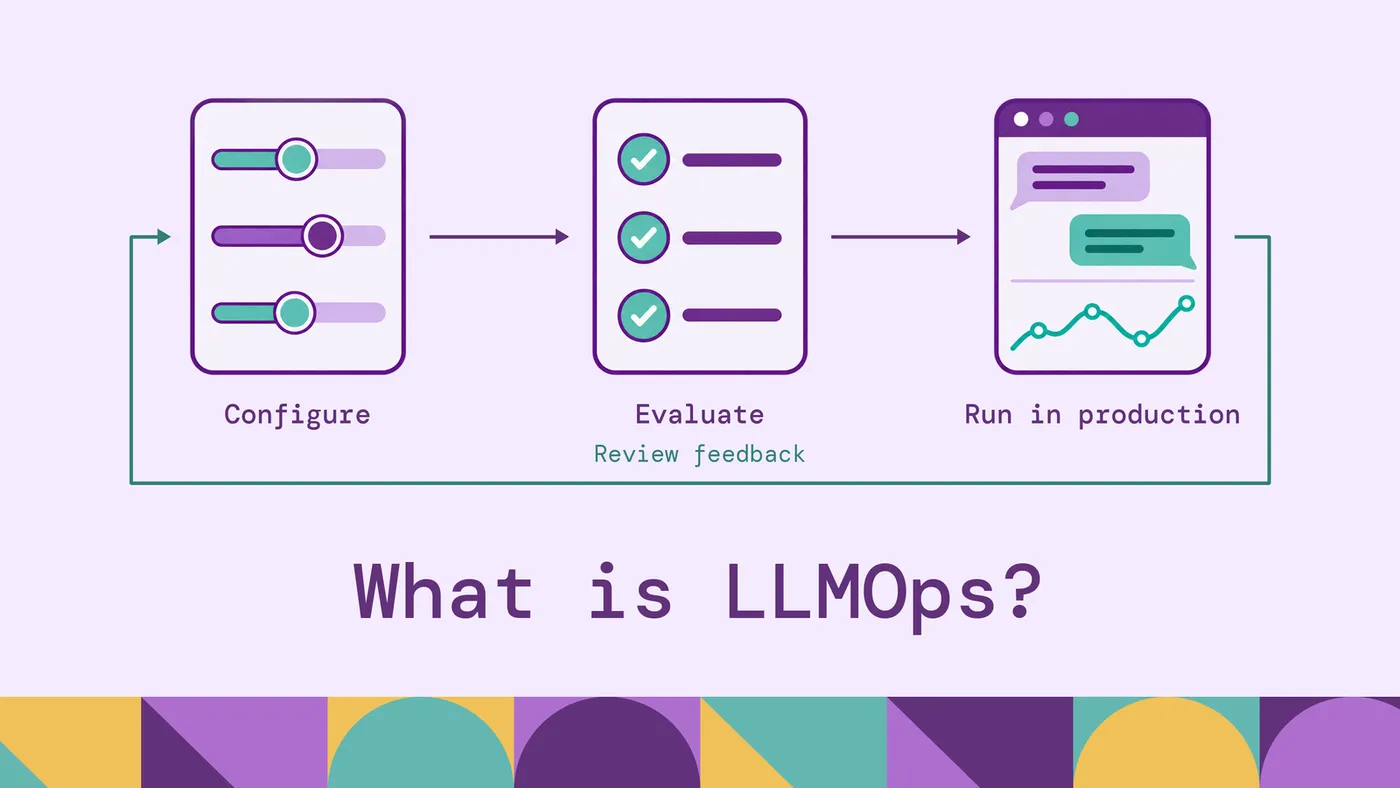
LLMOps: What It Is, Components, Tools & Best Practices
Learn what LLMOps is, why it matters, its core components, use cases, tools, challenges, and best practices for managing LLMs in production.
AI/ML
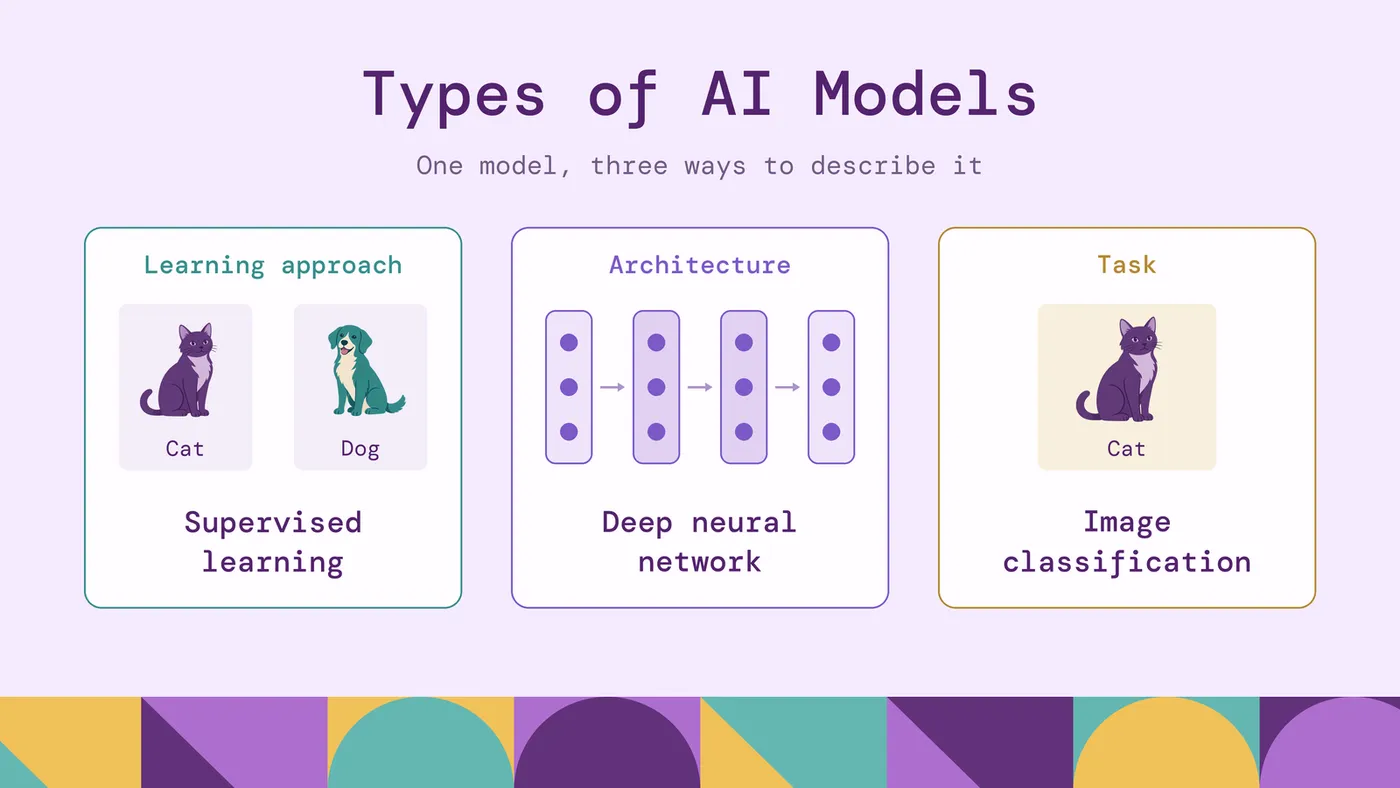
Types of AI Models: A Guide to Different AI Models
Explore the different types of AI models, including machine learning, supervised learning, unsupervised learning, deep learning, and common AI model examples.
Database Concept
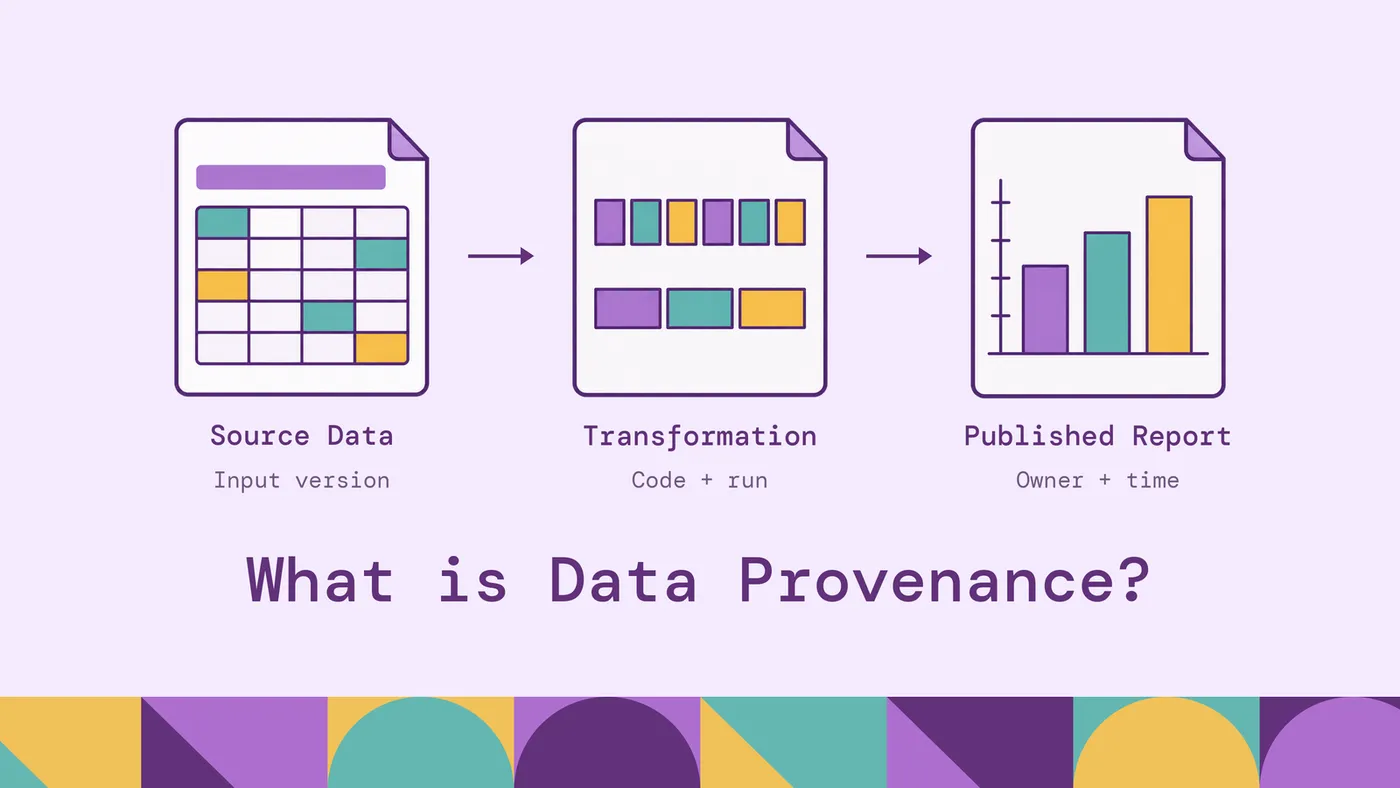
What Is Data Provenance: Definition & Guide
Learn what data provenance is, how it differs from data lineage, why it matters for governance and compliance, and how to implement data provenance.
Database Concept
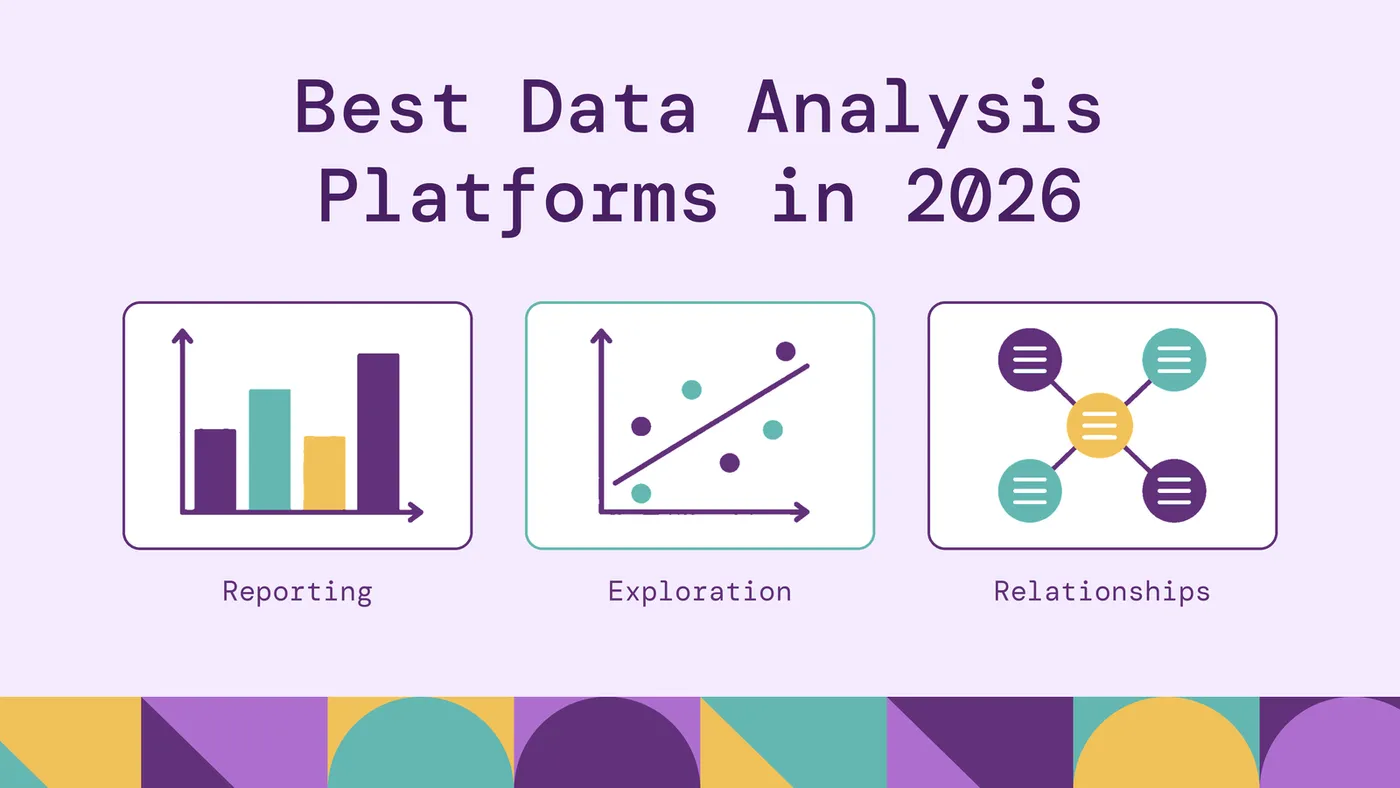
Best Data Analysis Platforms in 2026: Top Tools Compared
Compare the best data analysis platforms in 2026, including Power BI, Tableau, Looker, Qlik Sense, Domo, Zoho Analytics, and more.
Database Concept
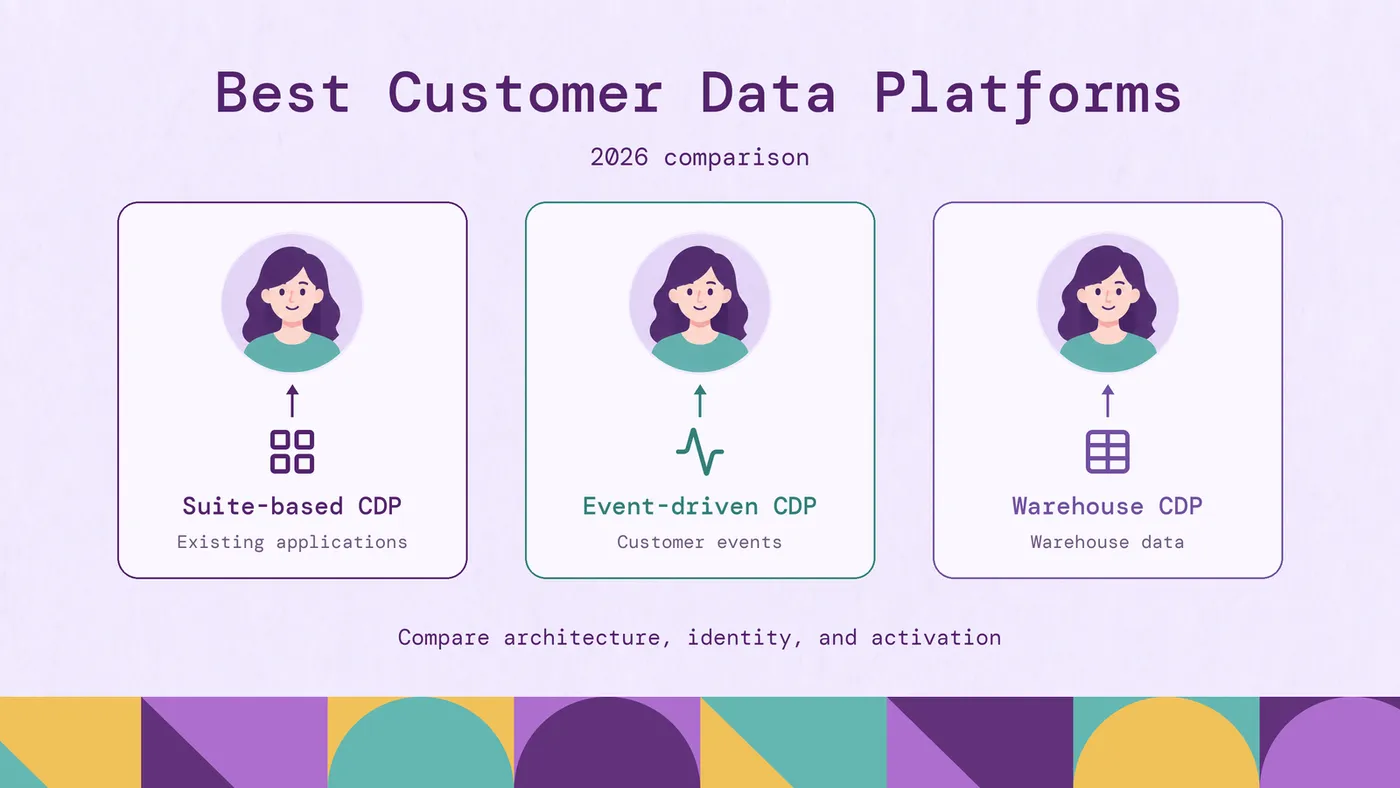
Best Customer Data Platforms in 2026: Top CDPs Compared
Compare the best customer data platforms in 2026, including Salesforce, Adobe, Segment, Tealium, Hightouch, Treasure Data, and more.
AI/ML
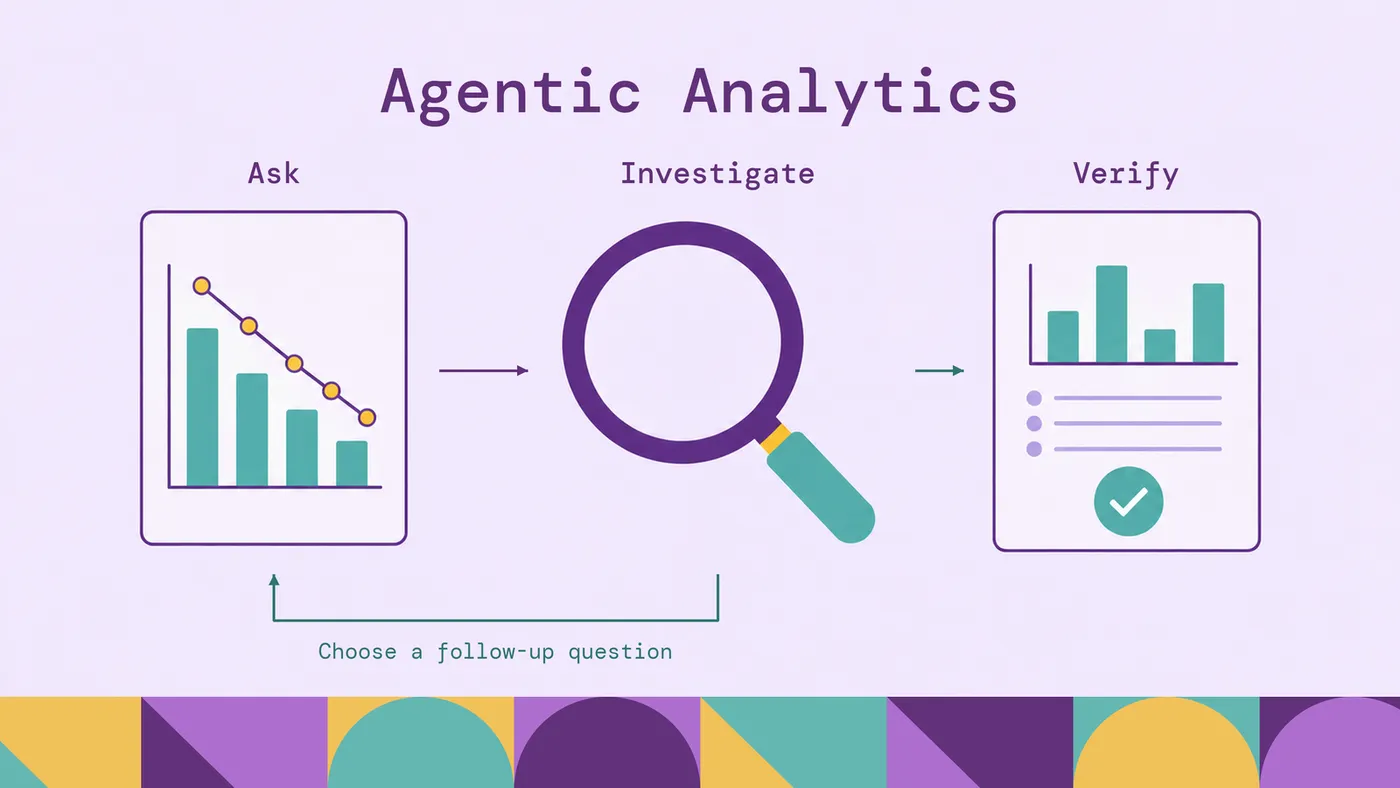
Agentic Analytics: How It Works, Benefits & Use Cases
Learn what agentic analytics is, how AI agents analyze data, key benefits, use cases, semantic layers, governance, challenges, and how to evaluate platforms.
Database Concept
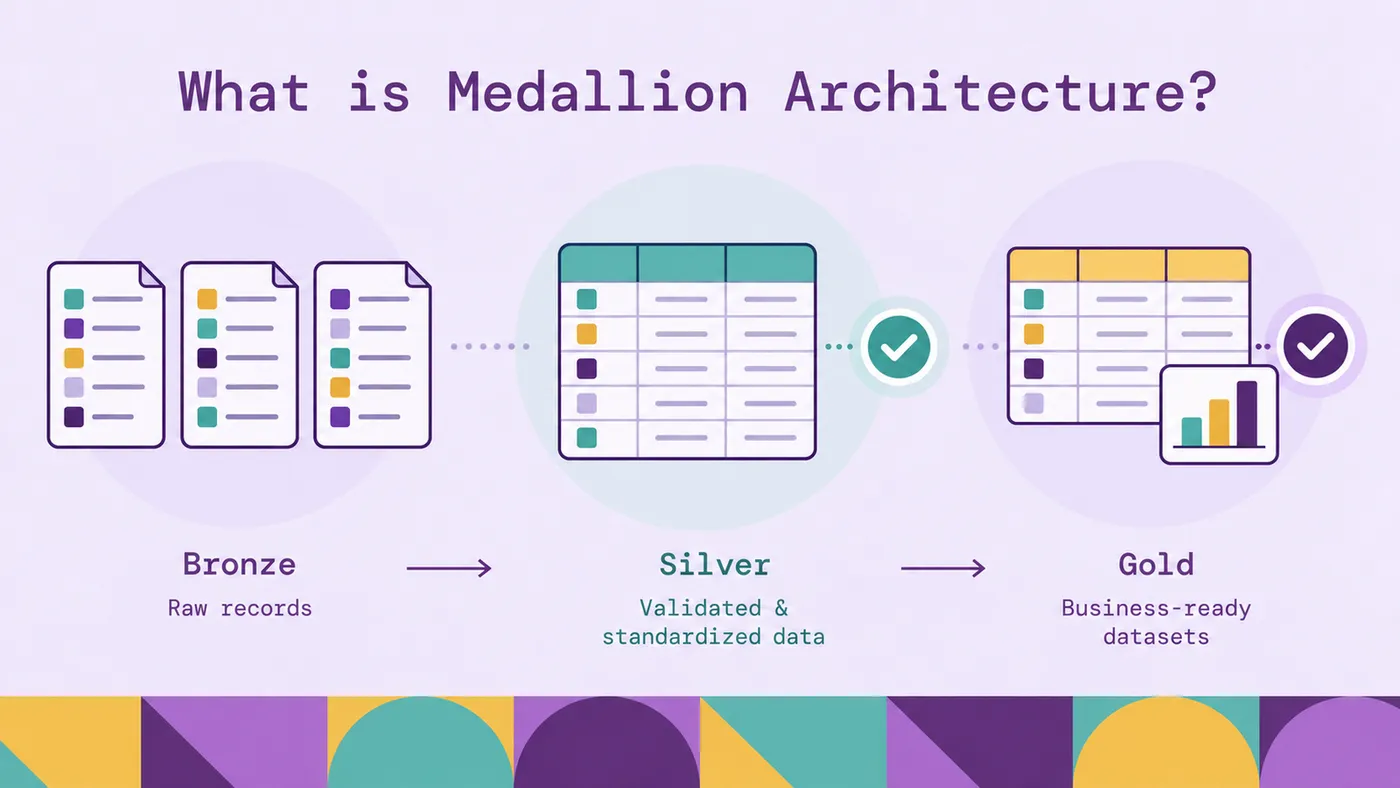
What Is Medallion Architecture?
Learn what medallion architecture is, how Bronze, Silver, and Gold data layers work, its benefits, best practices, and how to implement it in a data lakehouse.
AI/ML
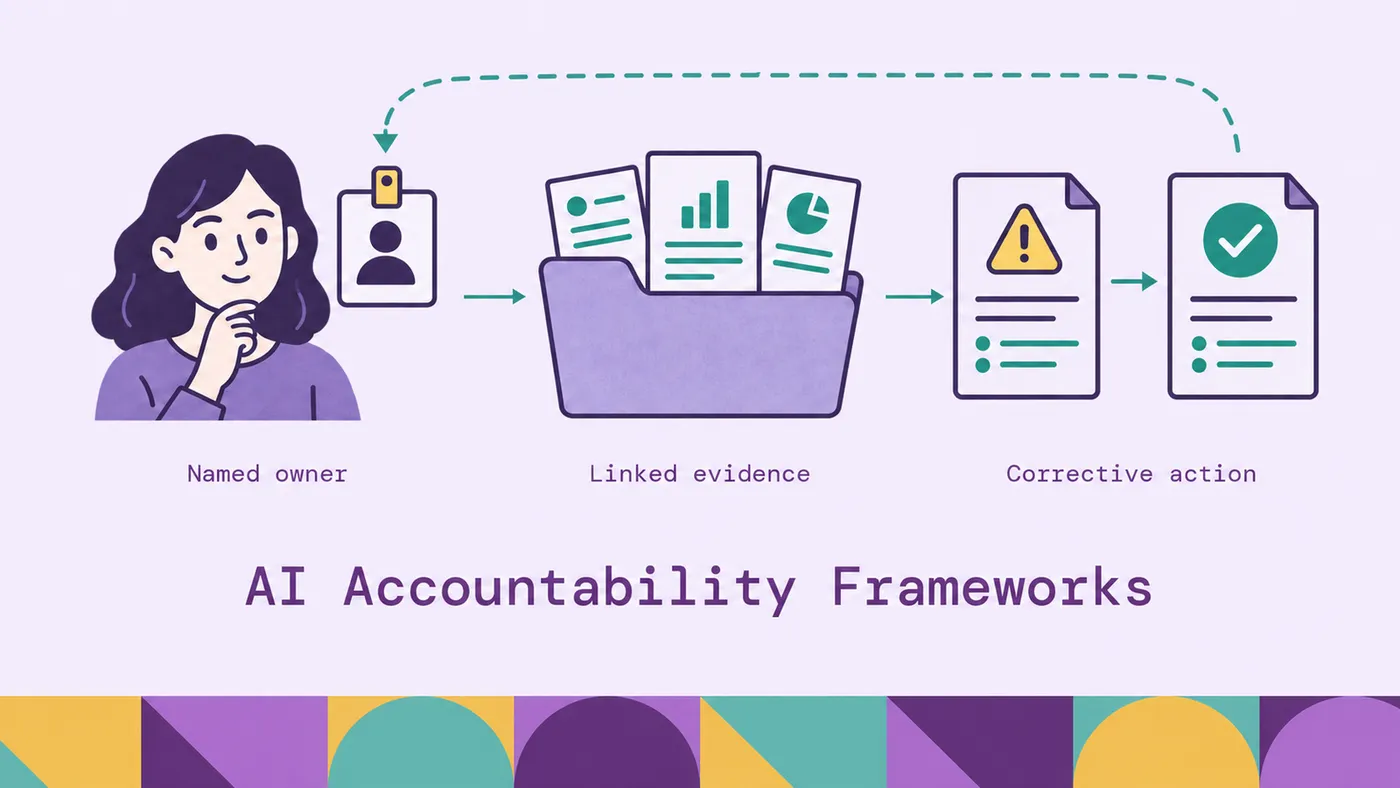
AI Accountability Frameworks: The Ultimate Guide
Learn what AI accountability frameworks are, key principles, major standards, AI governance requirements, risk management, and implementation best practices.
AI/ML
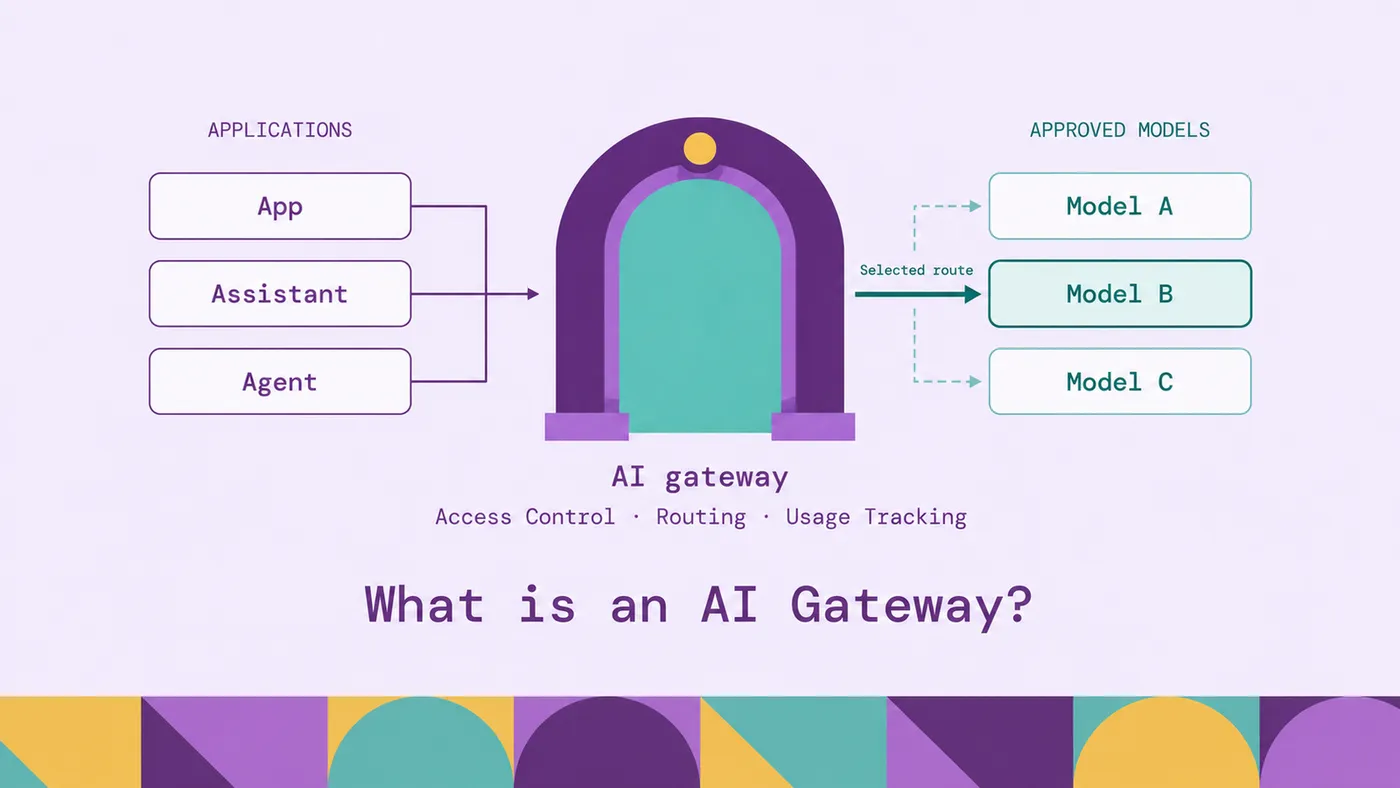
AI Gateway: What It Is, How It Works & Benefits
Learn what an AI gateway is, how it works, key features, use cases, architecture, security, model routing, cost optimization, and AI governance.
Database Concept
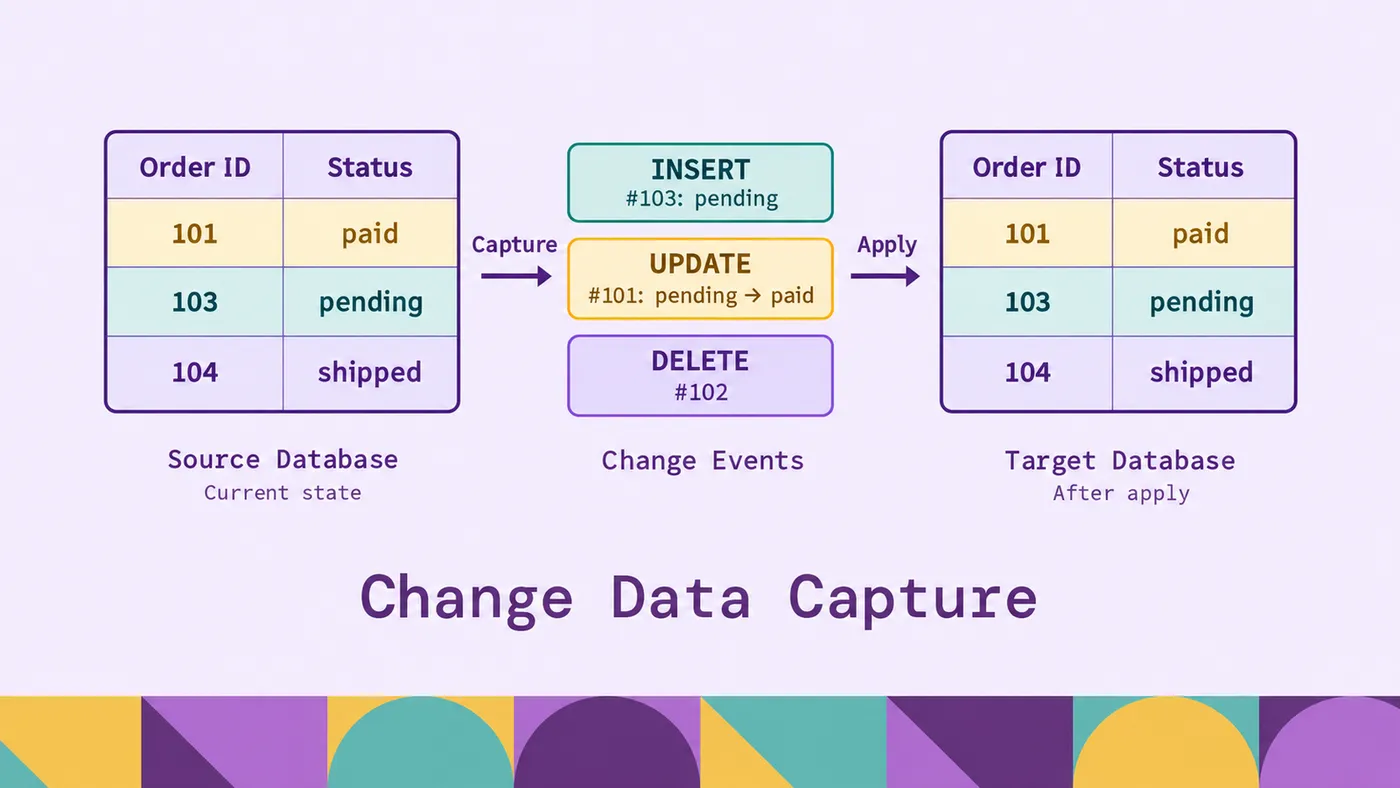
Change Data Capture (CDC): How It Works, Types & Tools
Learn what change data capture is, how CDC works, its types, methods, architecture, use cases, benefits, and popular CDC tools.
Database Concept
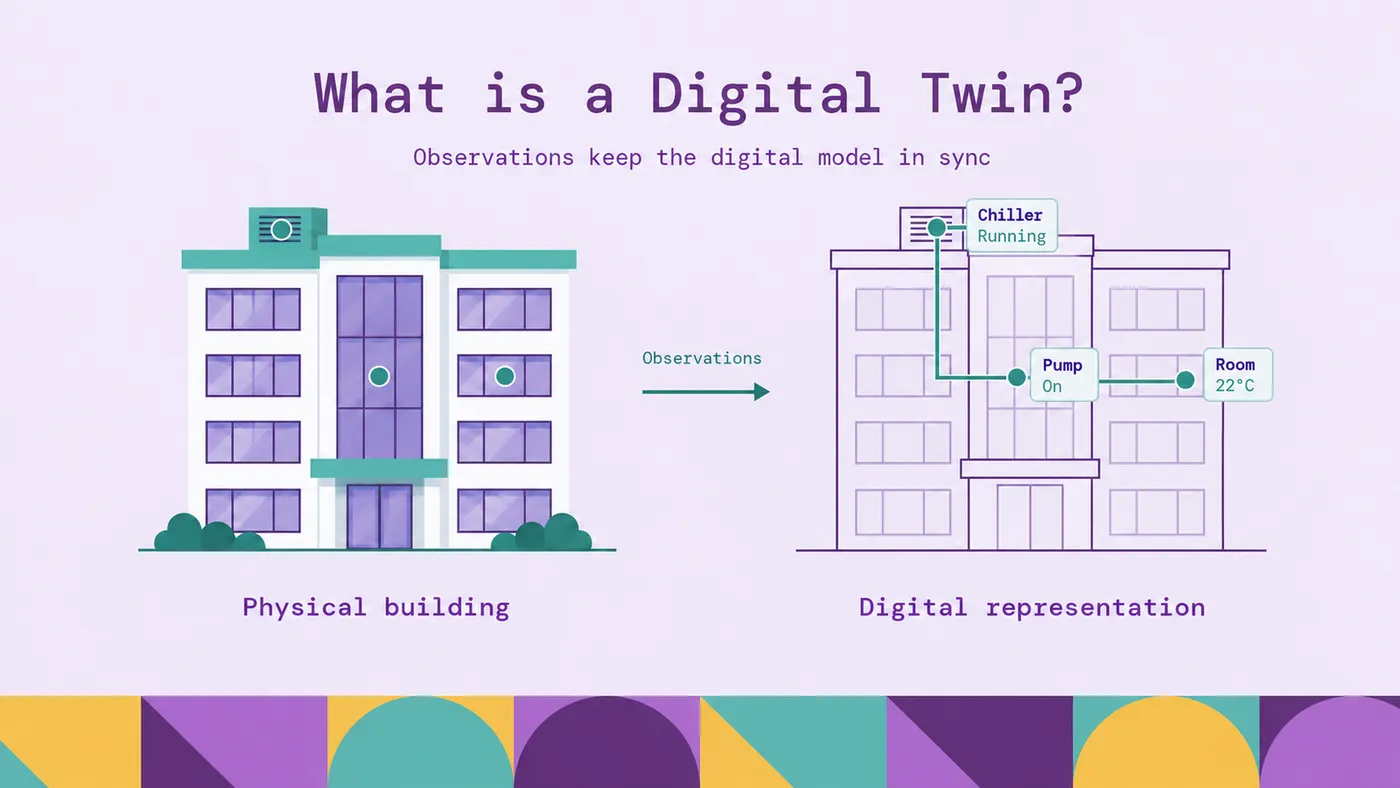
What Is a Digital Twin? Definition, Examples & Uses
Learn what a digital twin is, how it works, its key components, types, real-world examples, and how AI and IoT power digital twins.
Database Concept
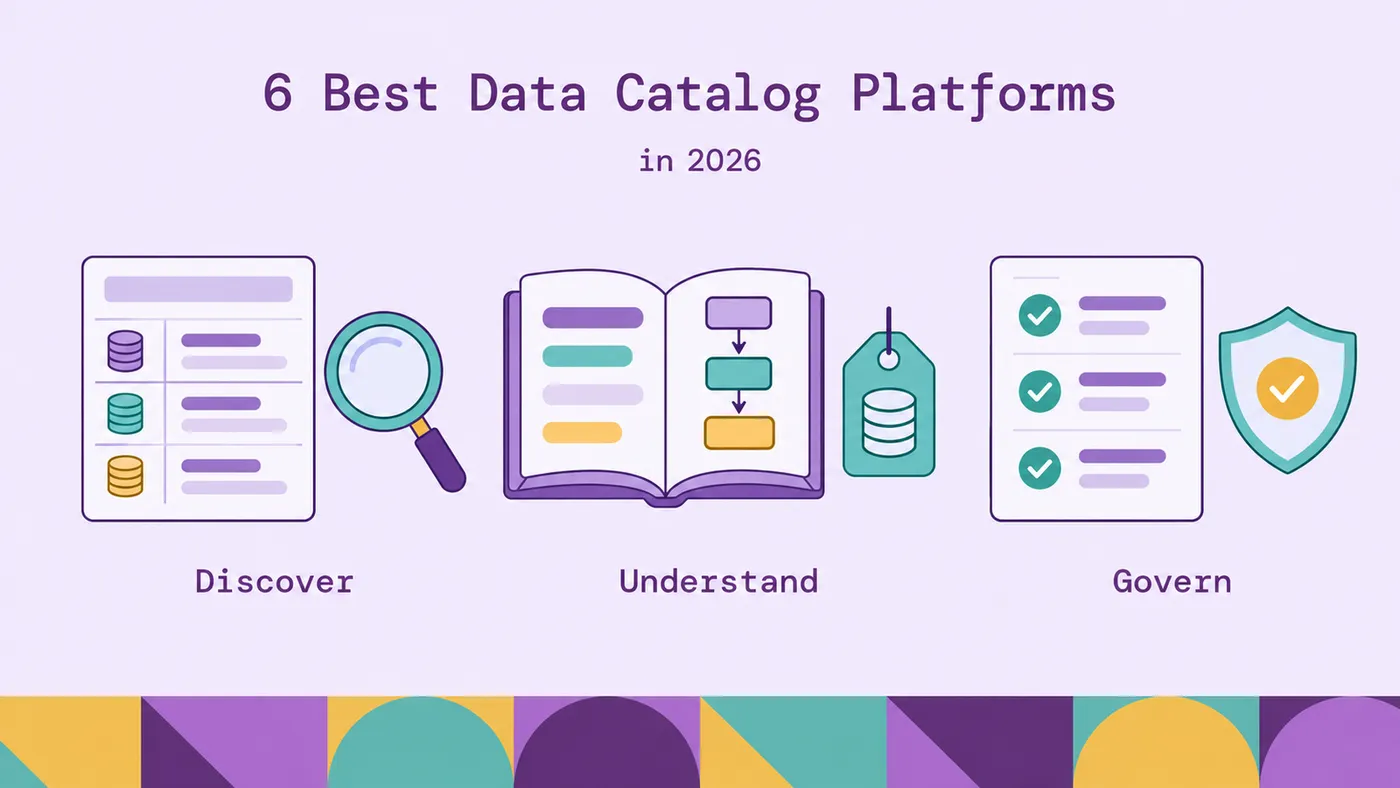
Best Data Catalog Platforms in 2026
Explore data catalog platforms, their key features, benefits, use cases, and how they help organizations discover, understand, govern, and manage data.
AI/ML
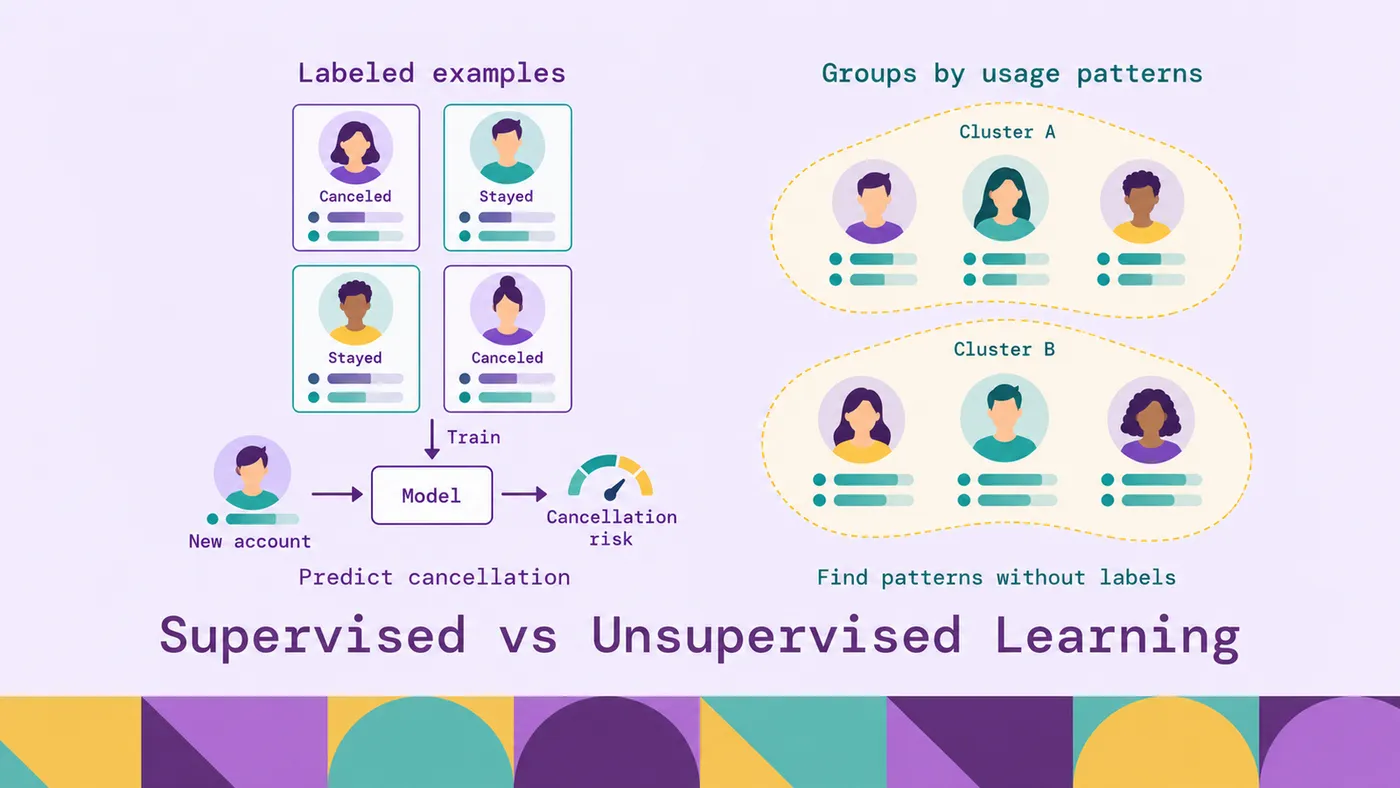
Supervised vs Unsupervised Learning: Key Differences
Learn the differences between supervised and unsupervised learning, including how they work, common algorithms, examples, use cases, benefits, and limitations.
AI/ML
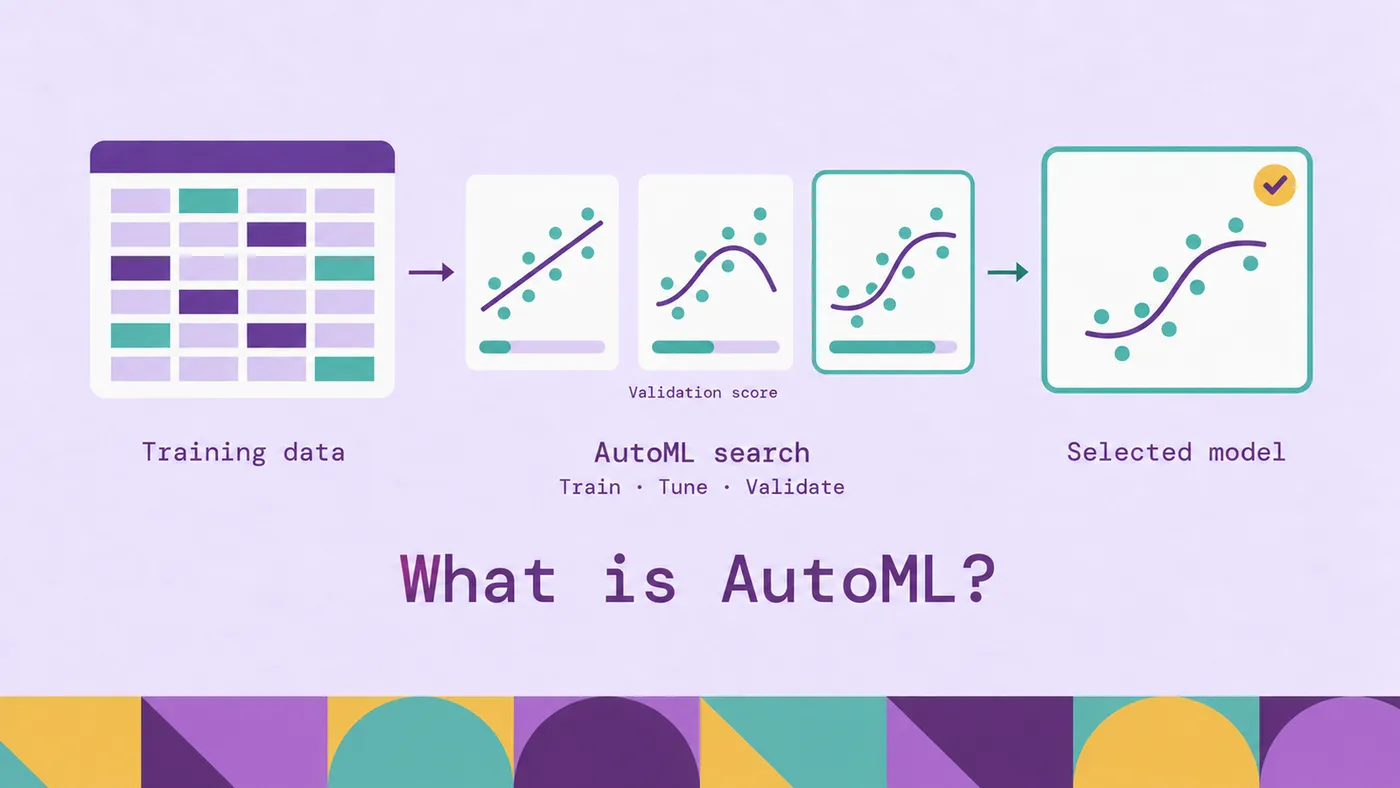
What Is AutoML? How Does It Works?
Learn what AutoML is, how it automates data preparation, feature engineering, model selection, and tuning, plus its benefits, use cases, and limitations.
AI/ML
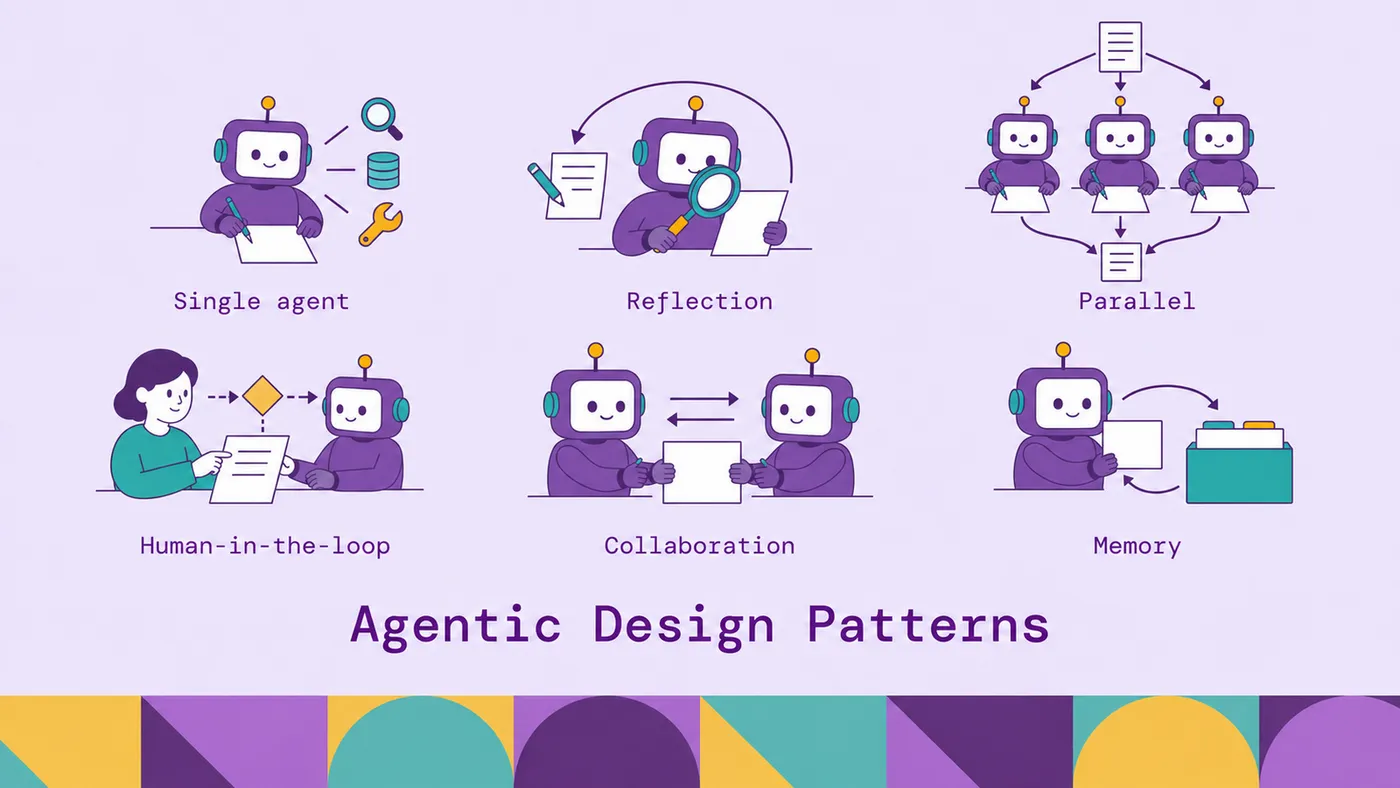
Agentic Design Patterns: Types, Examples
Explore the most important agentic design patterns, how they work, when to use them, and best practices for building reliable AI agent systems.
AI/ML
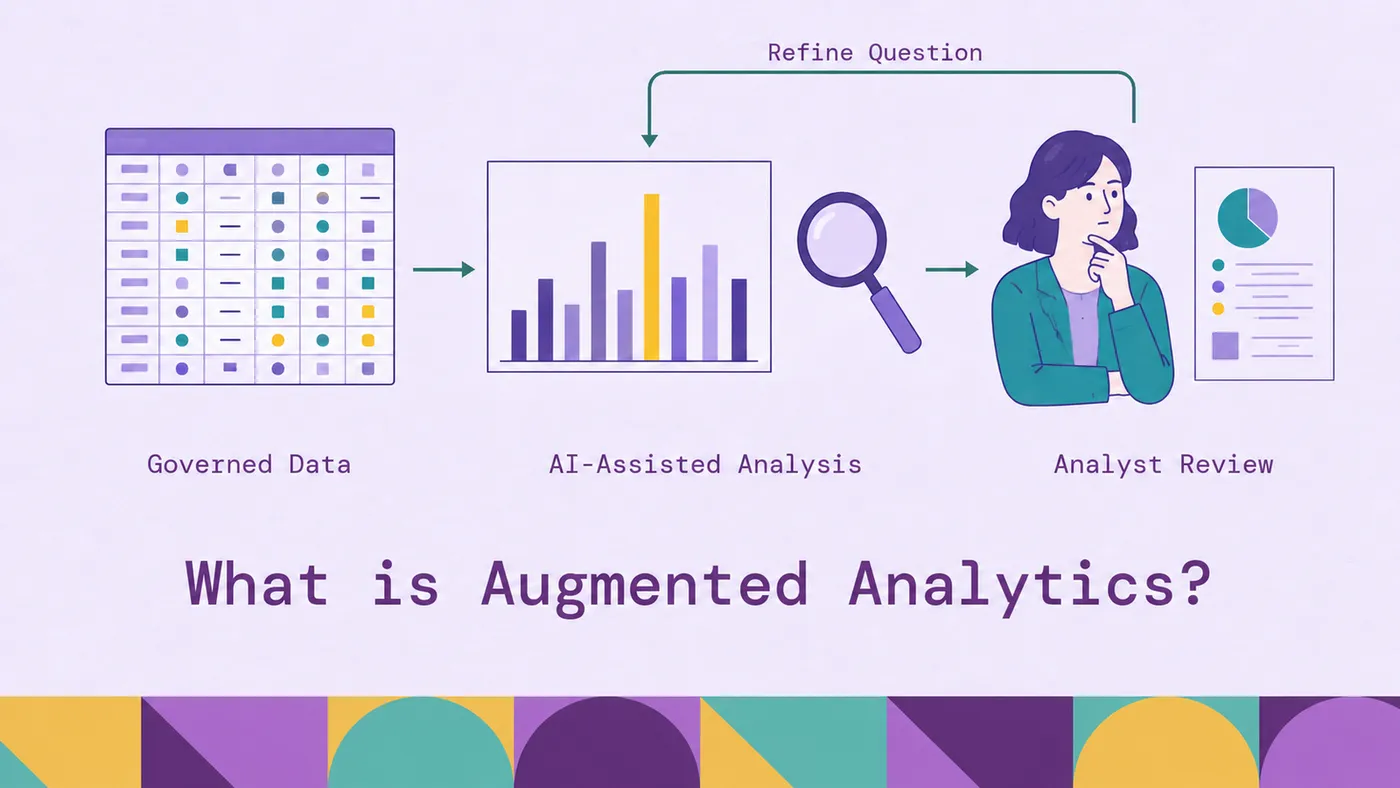
What Is Augmented Analytics? Benefits, Uses & Examples
Learn what augmented analytics is, how AI and machine learning improve data analysis, its benefits and use cases, and how it differs from traditional analytics.
AI/ML
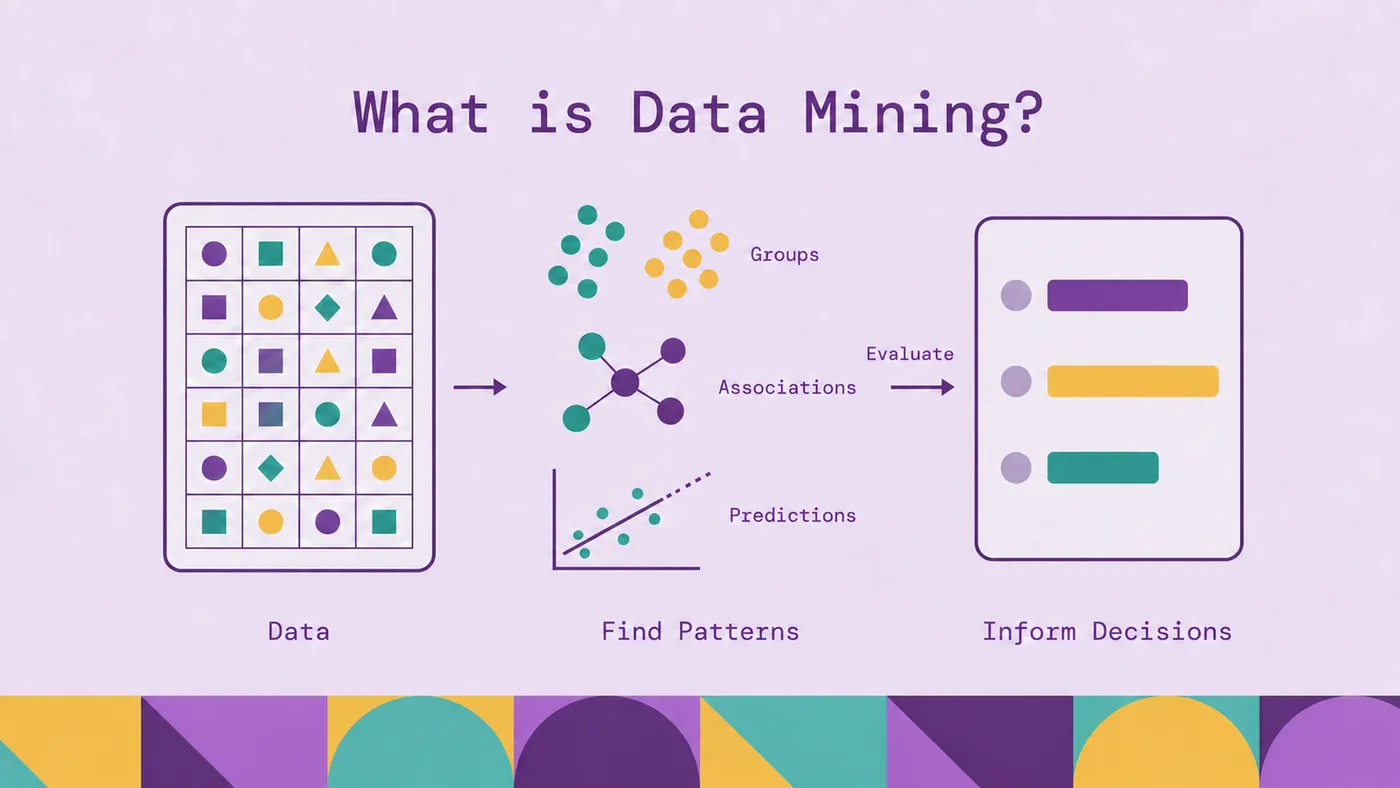
What Is Data Mining? Techniques, Examples & Uses
Learn what data mining is, how the data mining process works, common techniques, real-world examples, benefits, and applications for businesses.
AI/ML
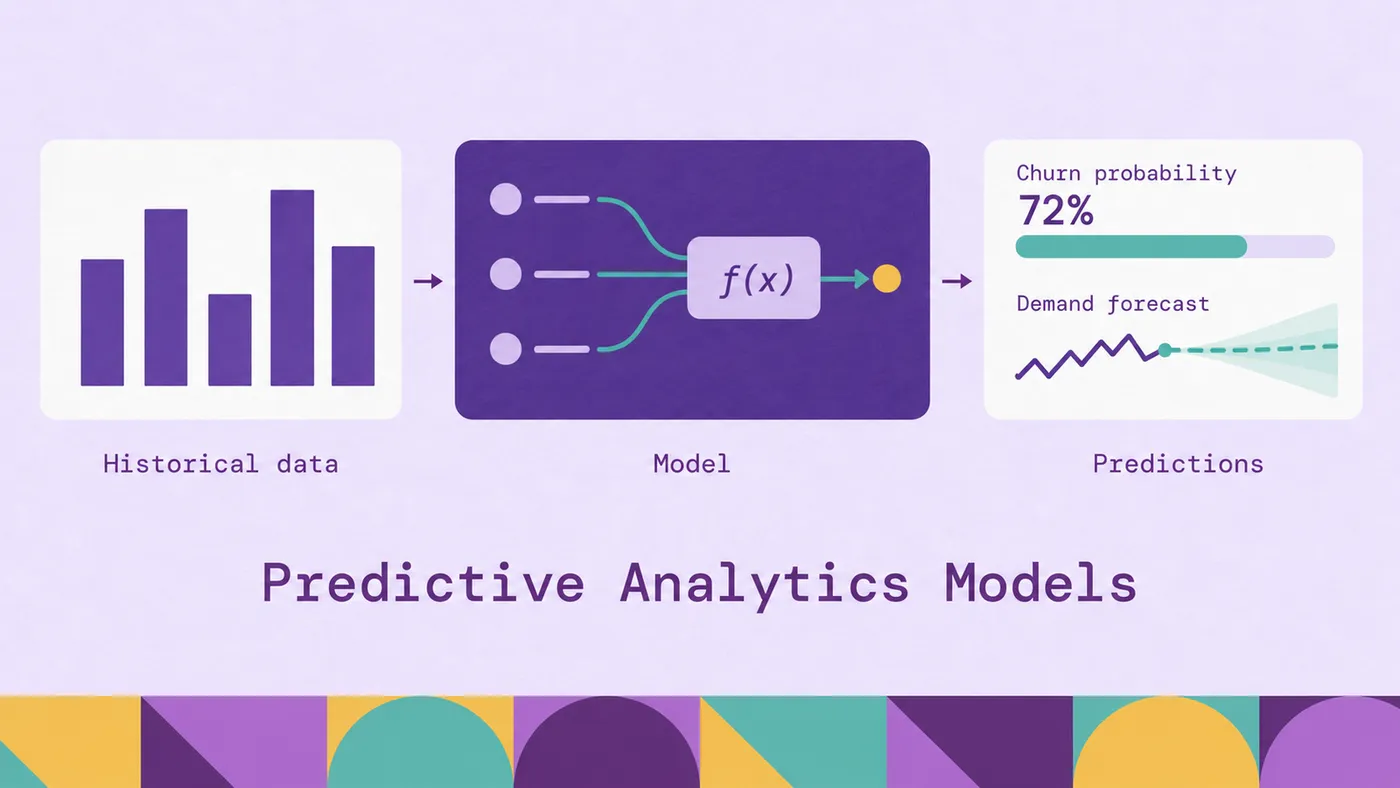
Predictive Analytics Models: Types, Examples & Uses
Explore the most common predictive analytics models, how they work, their applications, and how to choose the right model for your business needs.
Database Concept
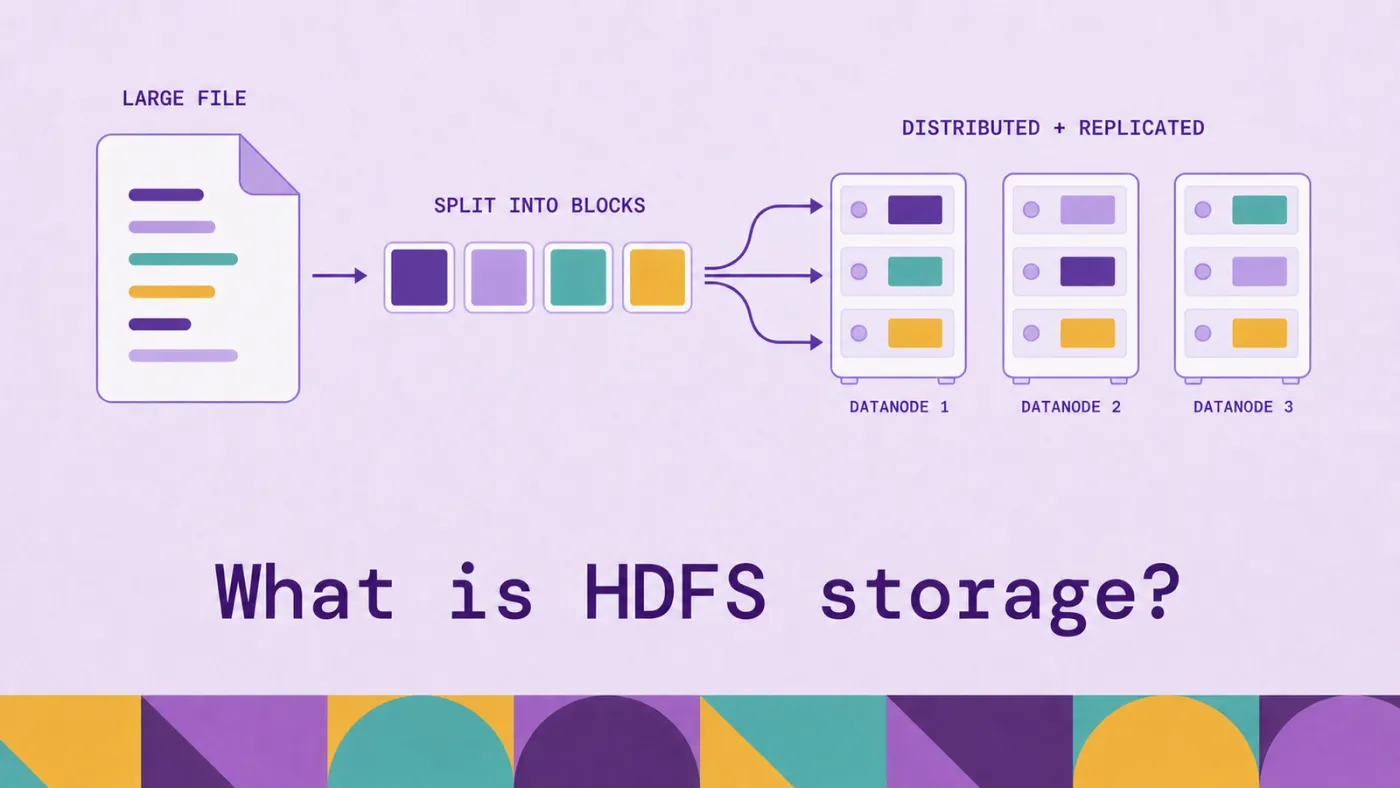
What Is HDFS Storage? Architecture & Examples
Learn what HDFS storage is, how it works, its architecture, components, benefits, limitations, and use cases in big data and distributed computing.
Database Concept
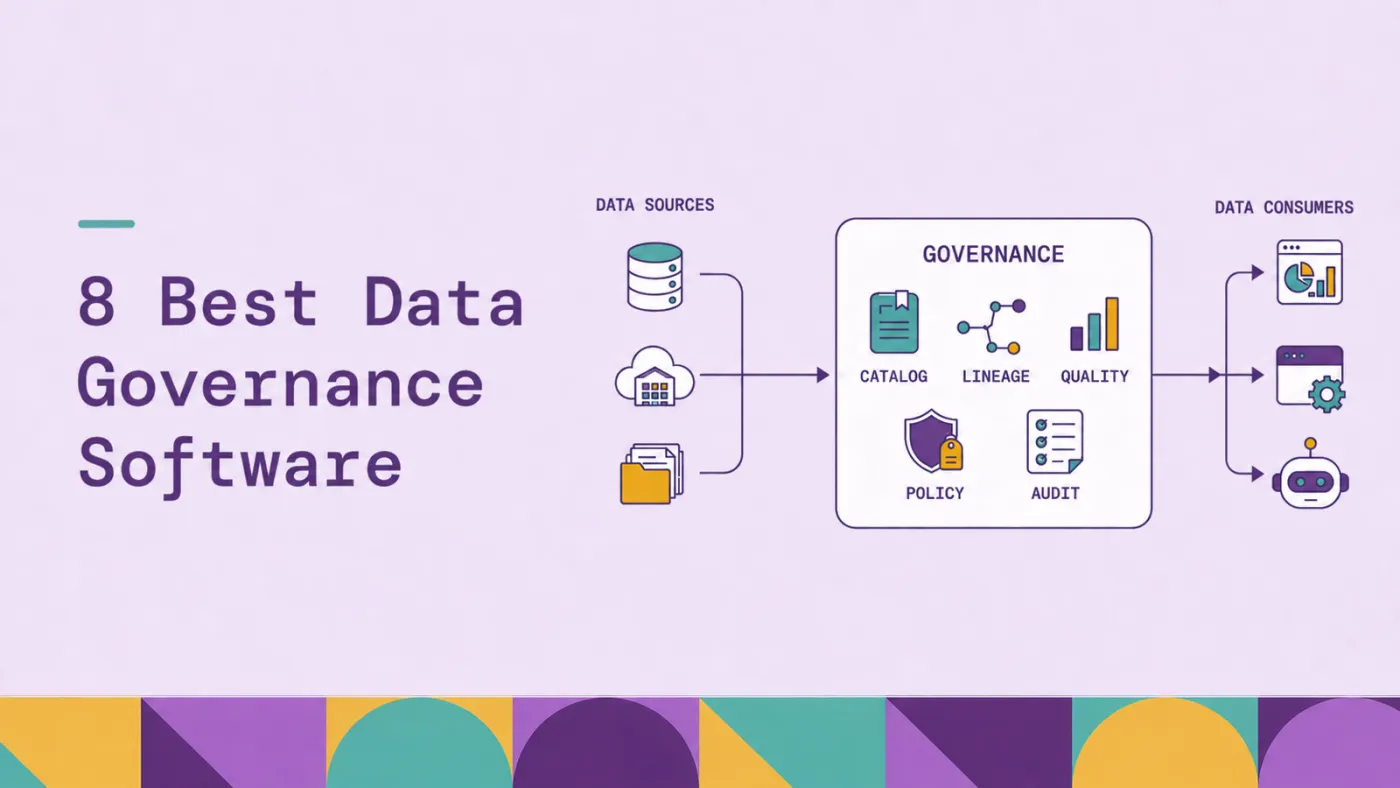
8 Best Data Governance Software in 2026
Compare the best data governance software in 2026, including Collibra, Atlan, Alation, Informatica, Microsoft Purview, Databricks, and more.
Database Concept
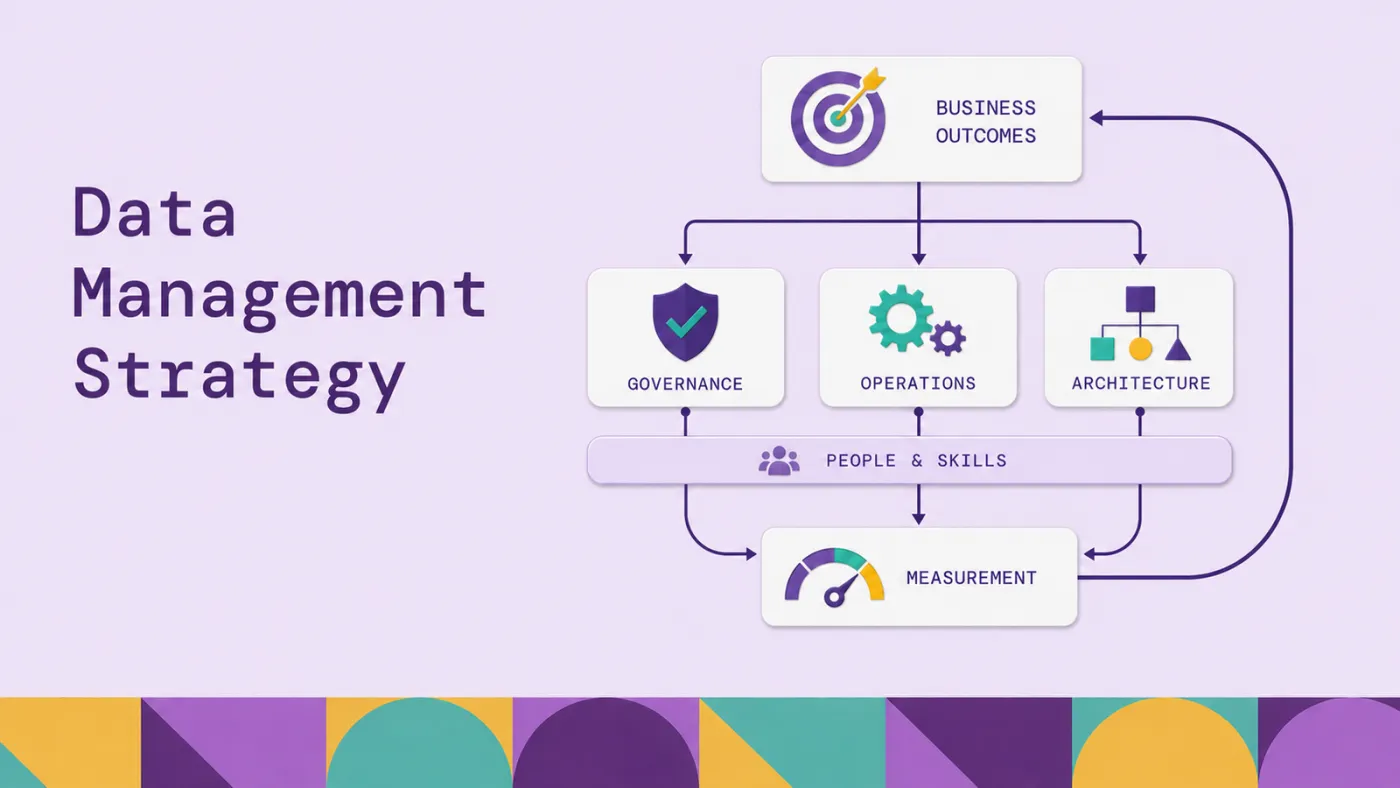
Data Management Strategy: 7 Steps, Framework & Best Practices
Learn how to build a data management strategy with a practical framework covering data governance, processes, architecture, technology, and best practices.
AI/ML
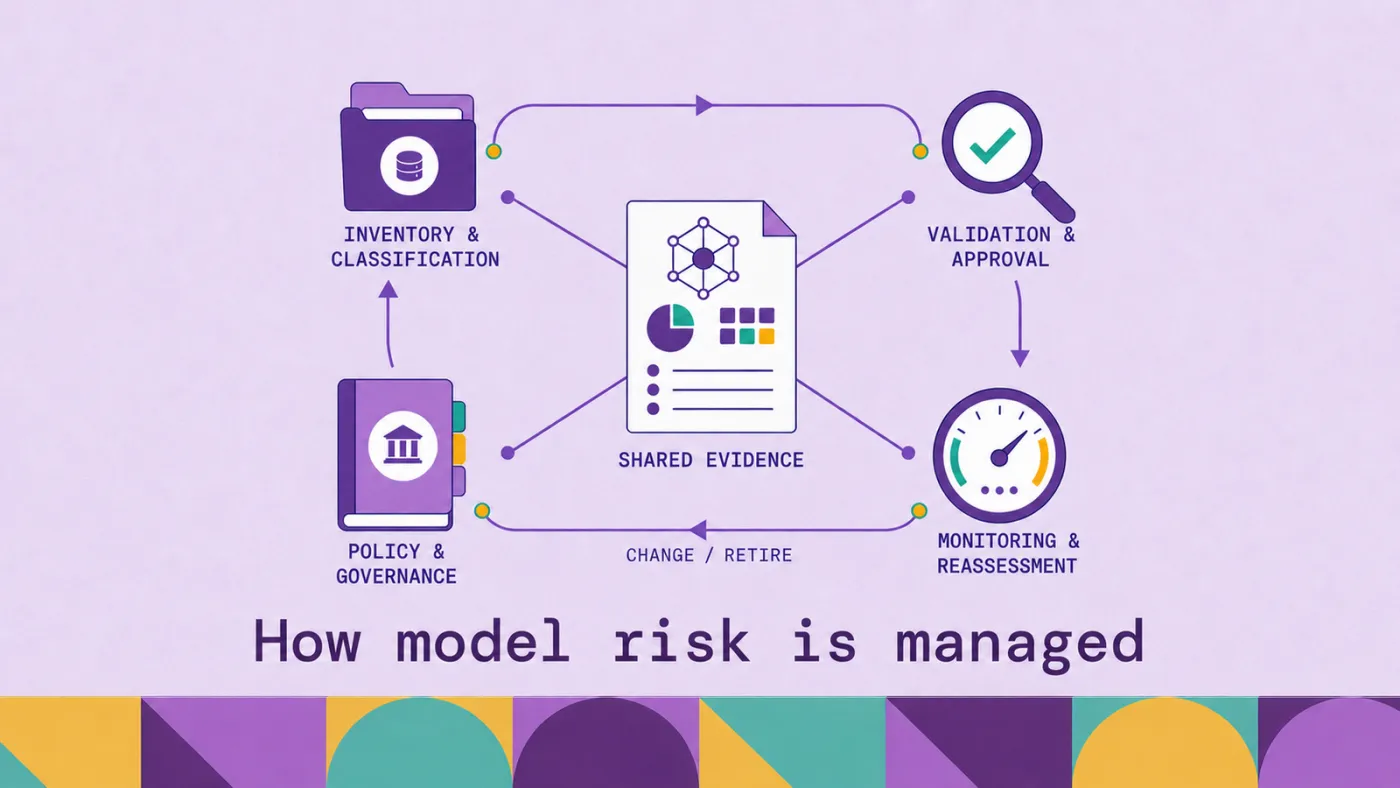
Model Risk Management: Framework, Process
Learn what model risk management is, how it works, key components, model validation, governance, monitoring, and best practices for managing model risk.
Database Concept
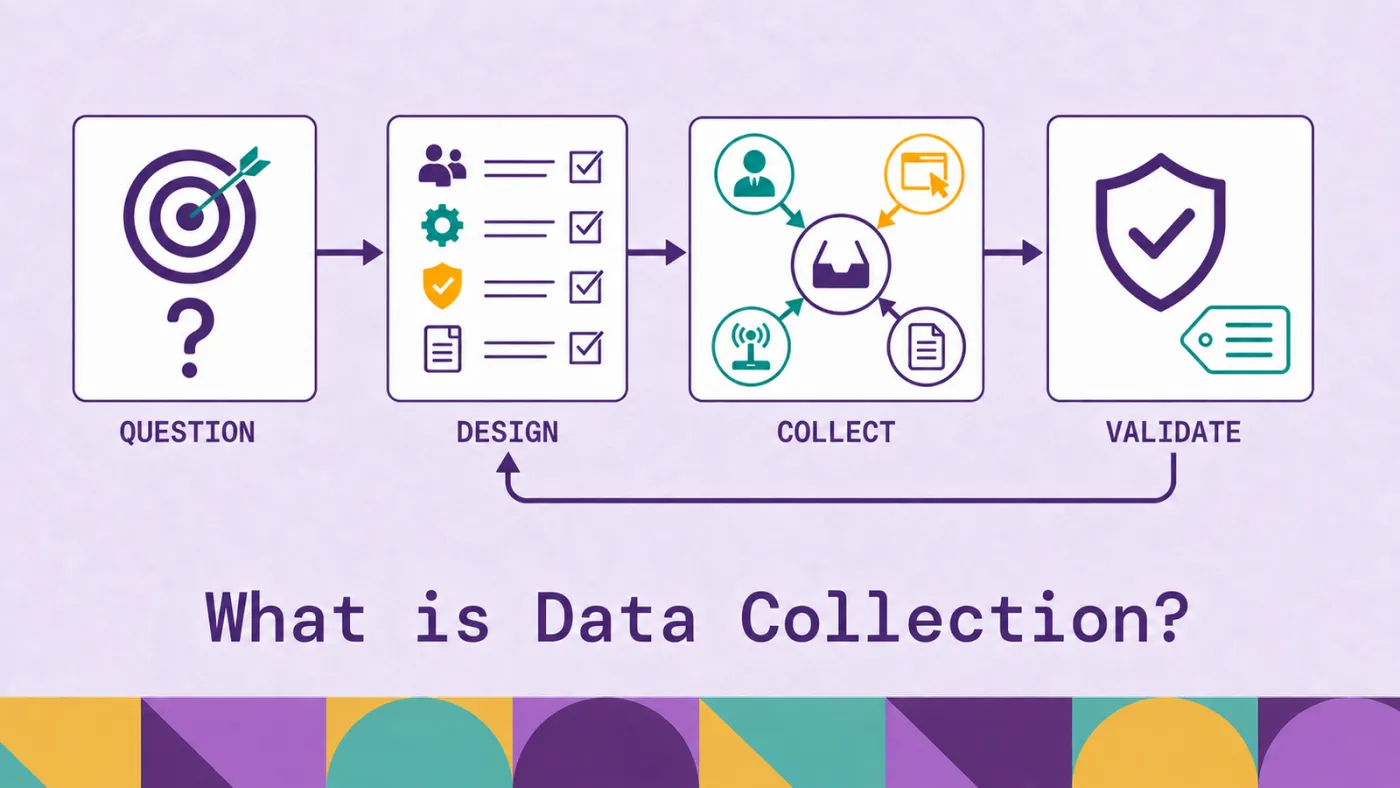
What Is Data Collection? Methods, Process
Learn what data collection is, why it matters, common methods, tools, challenges, and best practices for collecting high-quality data for analytics and AI.
AI/ML
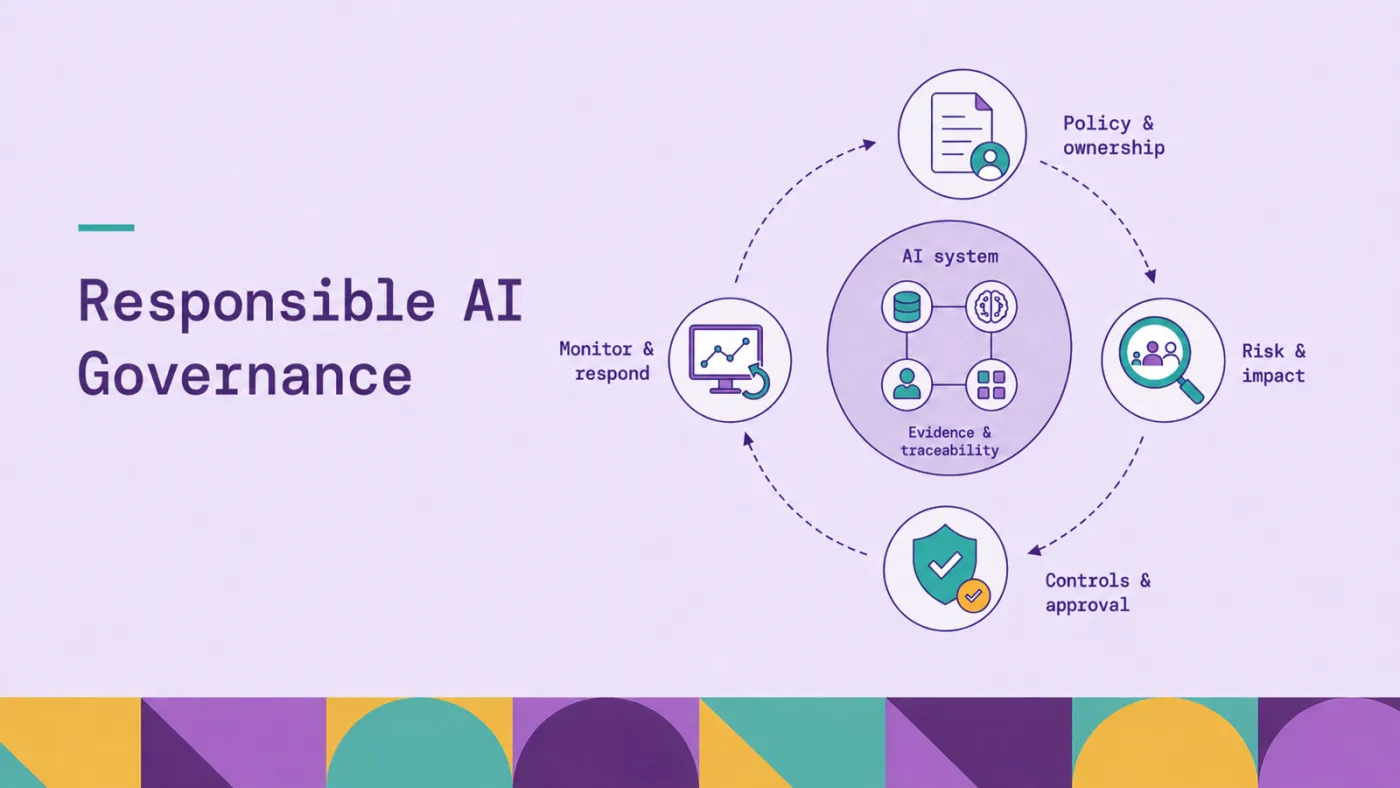
Responsible AI Governance: Framework, Principles & Best Practices
Learn what responsible AI governance is, its key principles, AI risk management, compliance, transparency, security, and best practices for implementation.
AI/ML
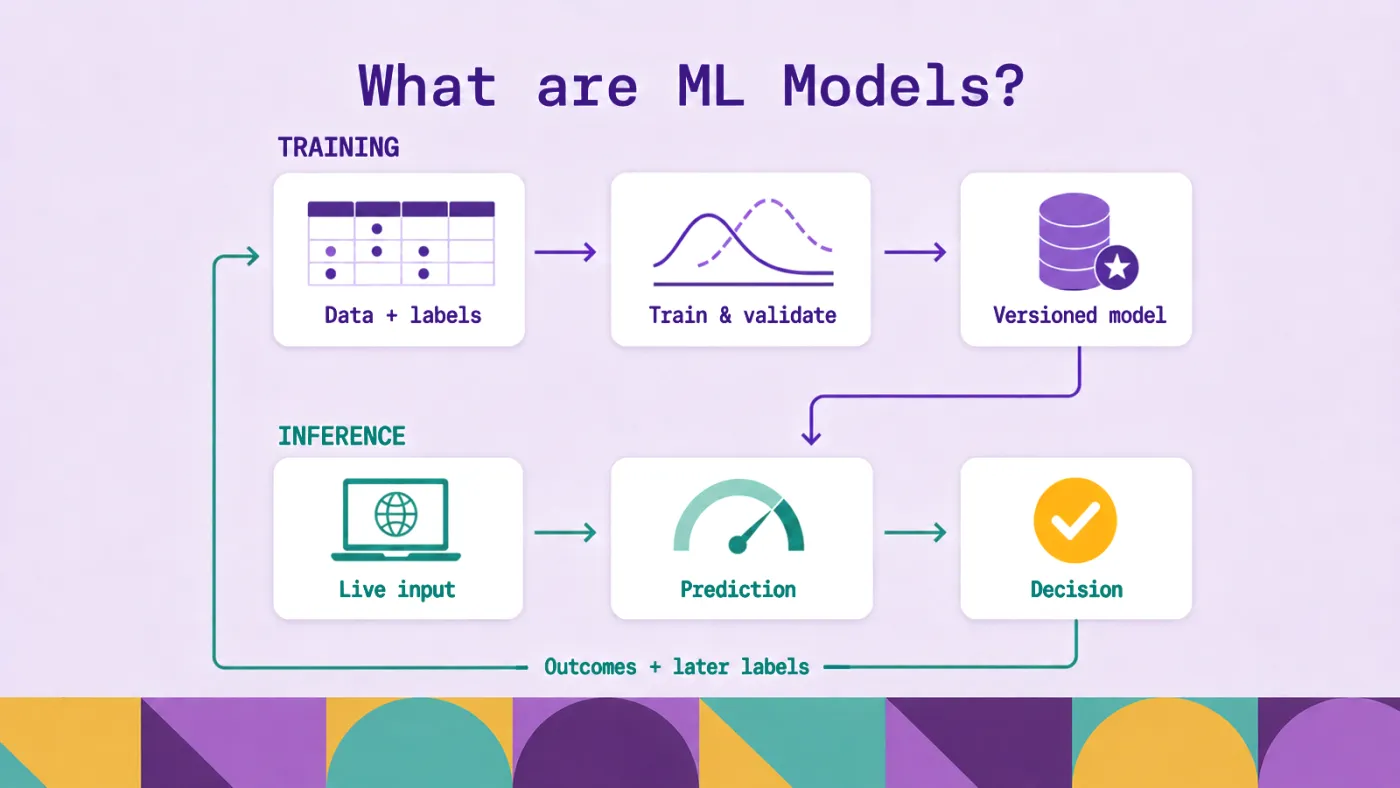
What Are ML Models? Types, Training & Use Cases
Learn what ML models are, how they work, the different types of machine learning models, how they are trained, evaluated, deployed, and monitored.
Database Concept
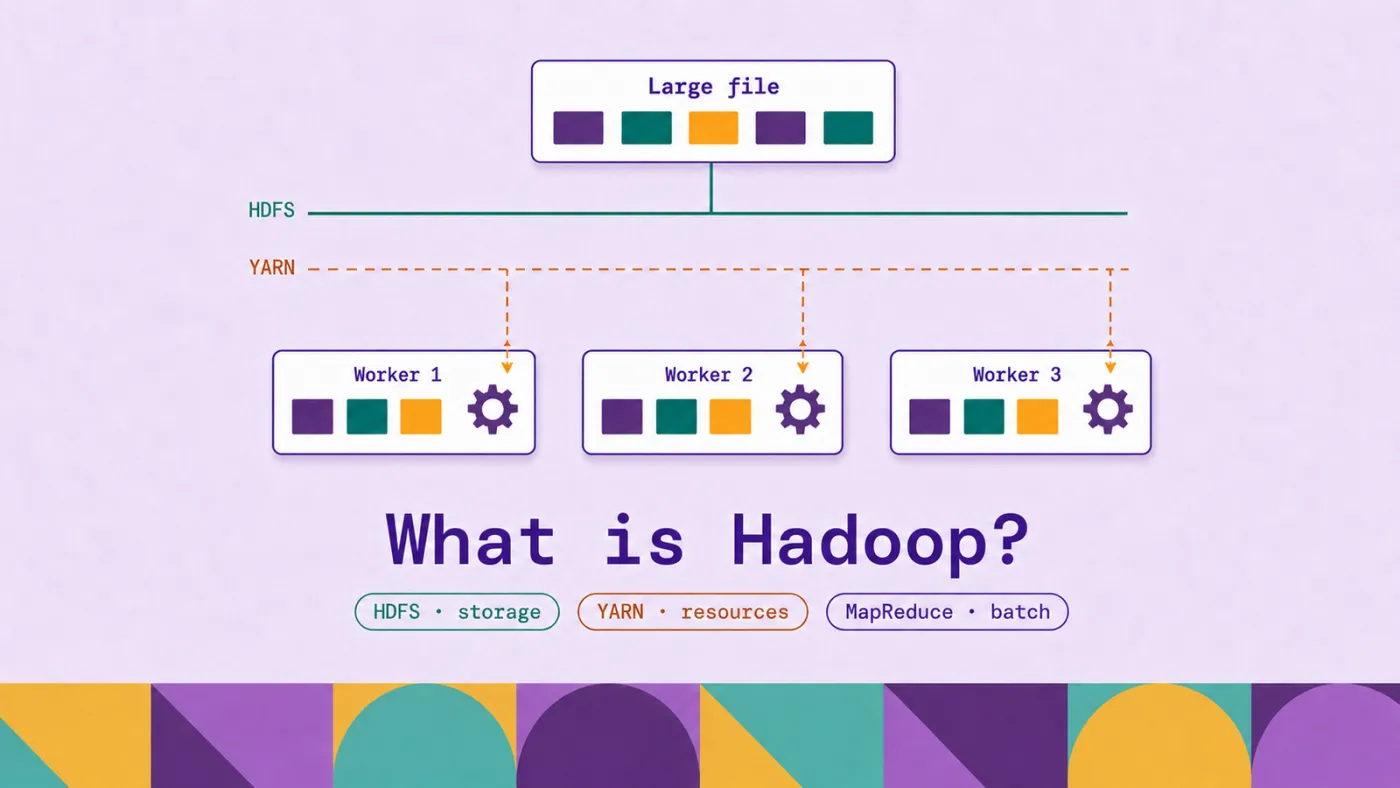
What Is Hadoop? Architecture, Components & Uses
Learn what Hadoop is, how it works, its architecture, key components, use cases, advantages, limitations, and Hadoop vs Spark.
Database Concept
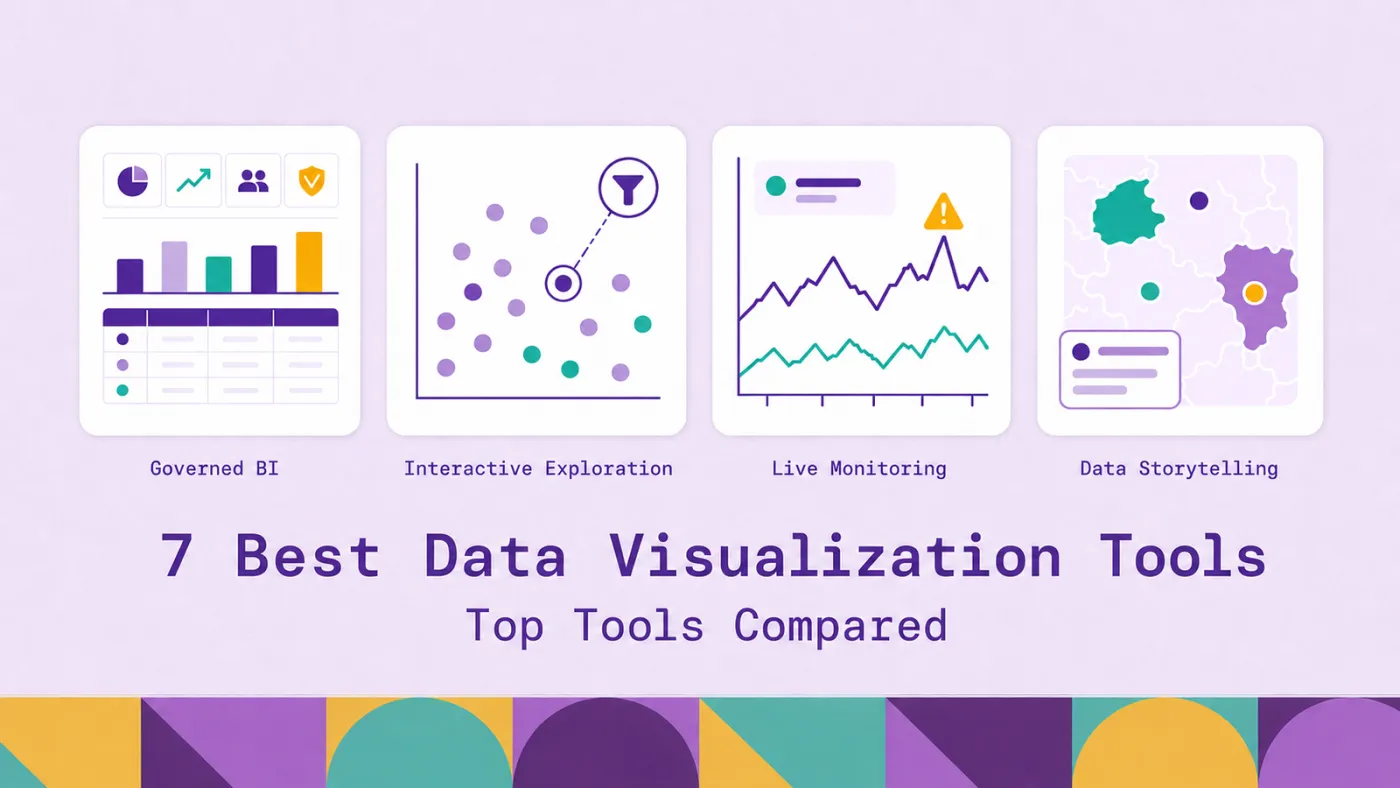
7 Best Data Visualization Tools: Top Tools Compared
Explore the best data visualization tools, their features, use cases, benefits, limitations, and how to choose the right tool for your business.
Database Concept
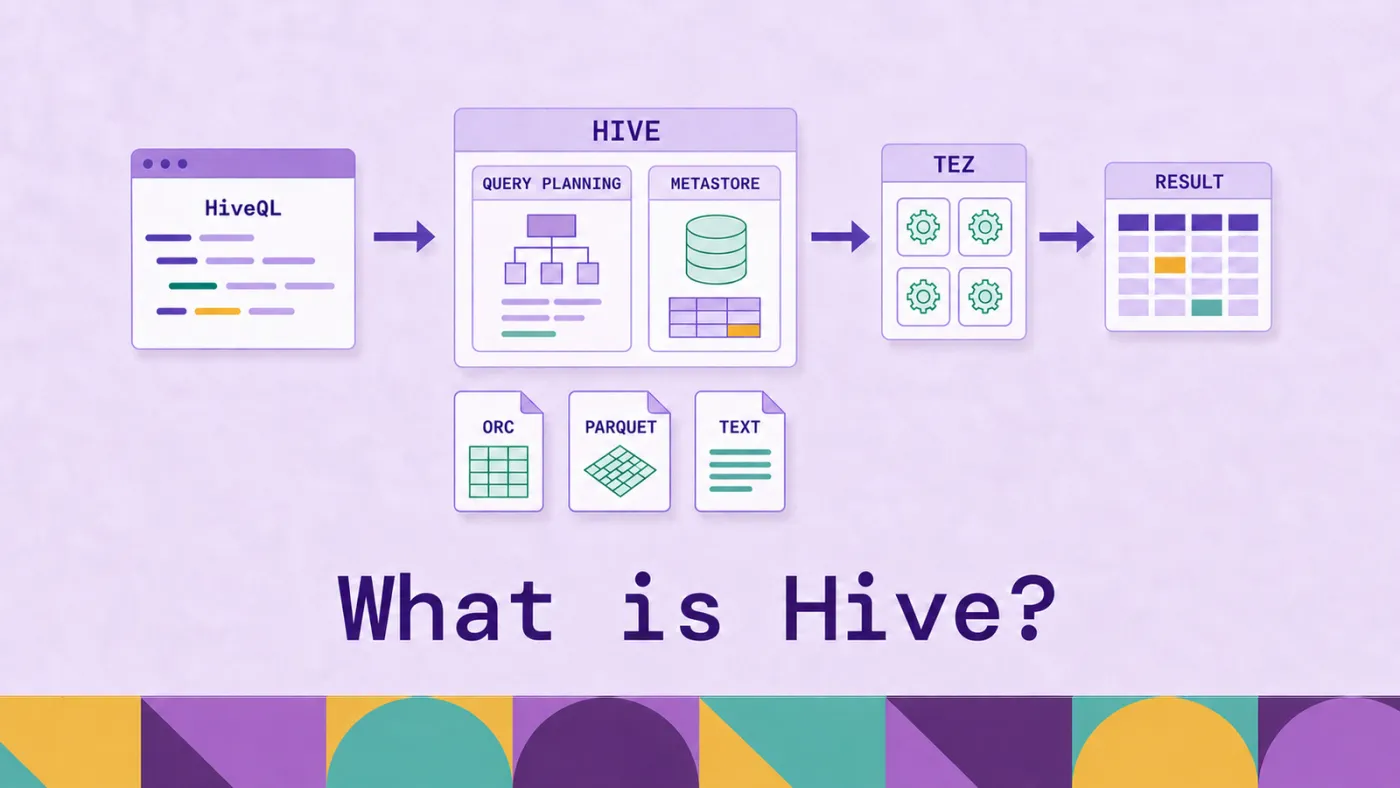
What Is Hive? Architecture, Features, and How It Works
Learn what Hive is, how Apache Hive works, its architecture, key features, use cases, advantages, limitations, and Hive vs SQL databases.
AI/ML
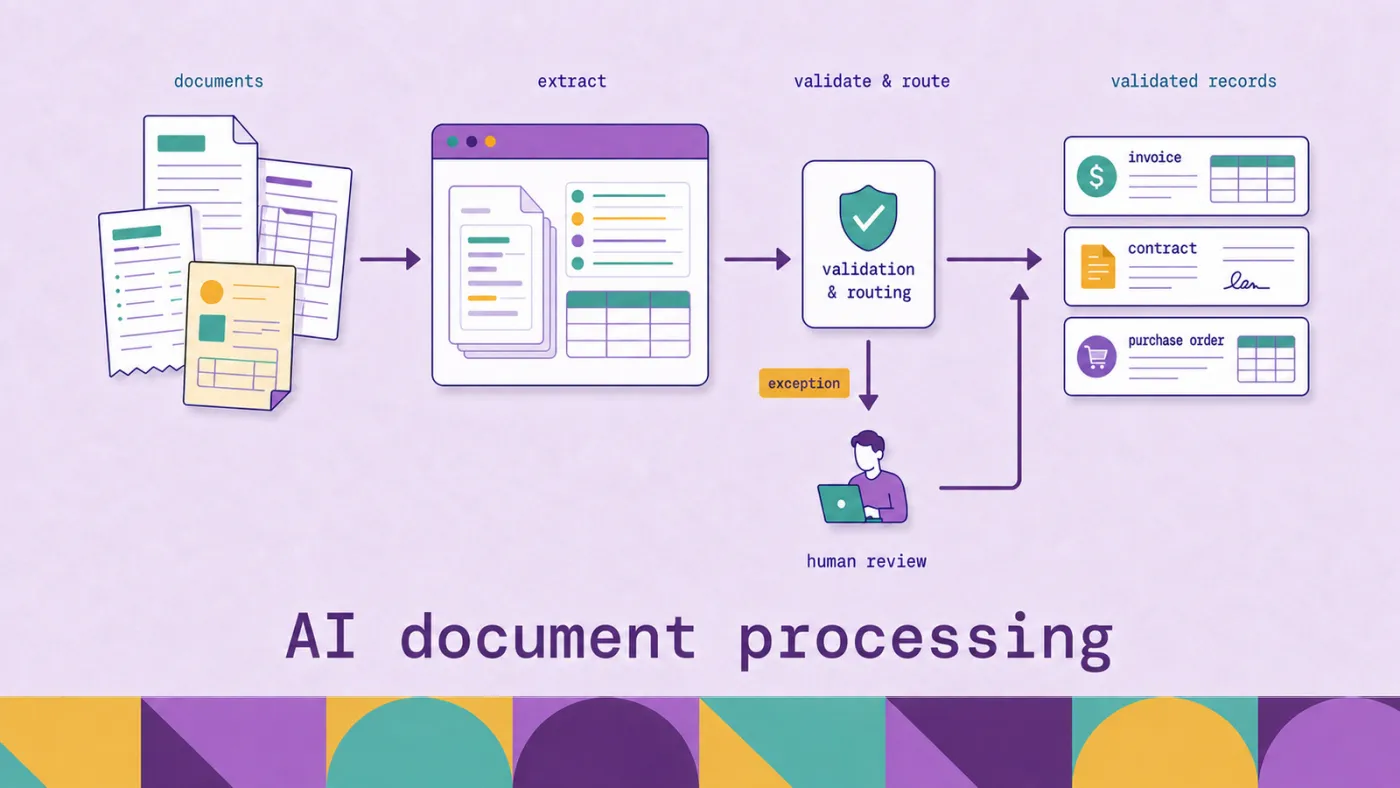
AI Document Processing: Automate Data Extraction & Workflows
Discover how AI document processing automates data extraction, classification, validation, and workflows from invoices, contracts, forms, and other documents.
AI/ML
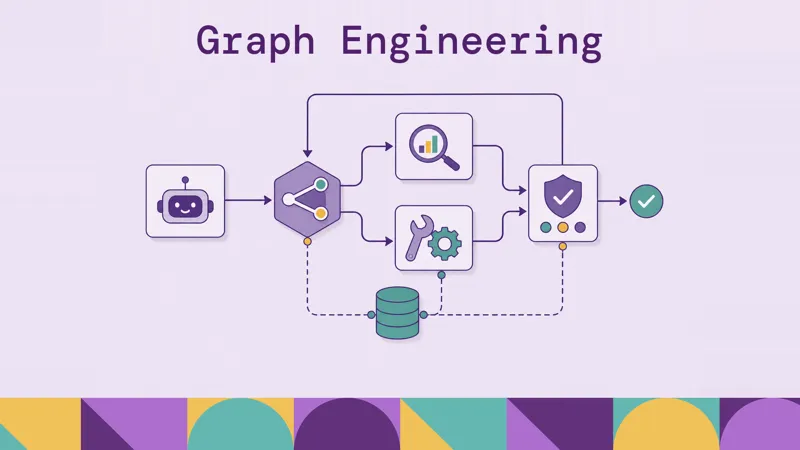
What Is Graph Engineering? Definition and Patterns
Learn what graph engineering is, how agent graphs are built from nodes, edges, and shared state, common topologies, how it differs from loop engineering and knowledge graphs, and its failure modes.
Database Concept
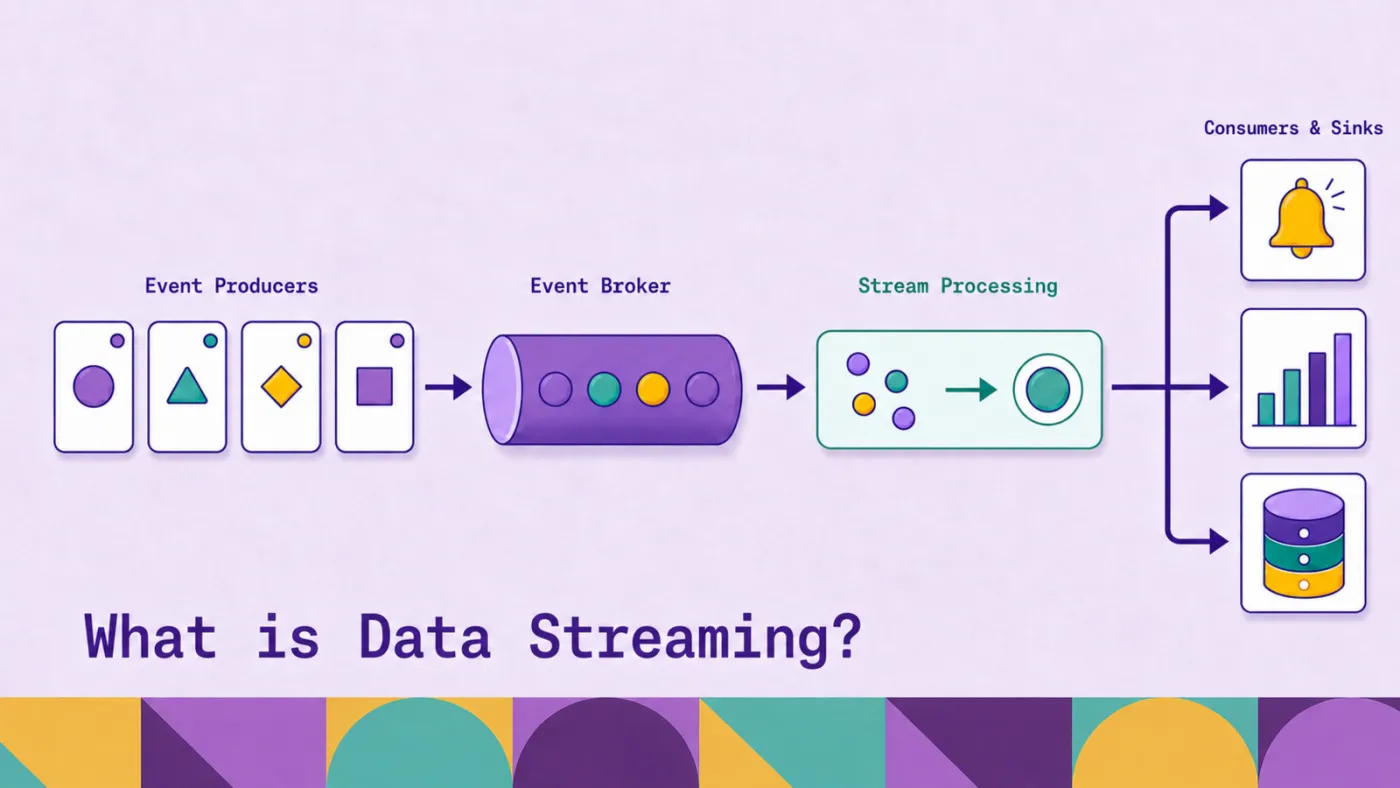
What Is Data Streaming ? Architecture, Tools, Use Cases
Learn what data streaming is, how it works, data streaming architecture, technologies, use cases, benefits, challenges, and best practices for real-time data.
AI/ML
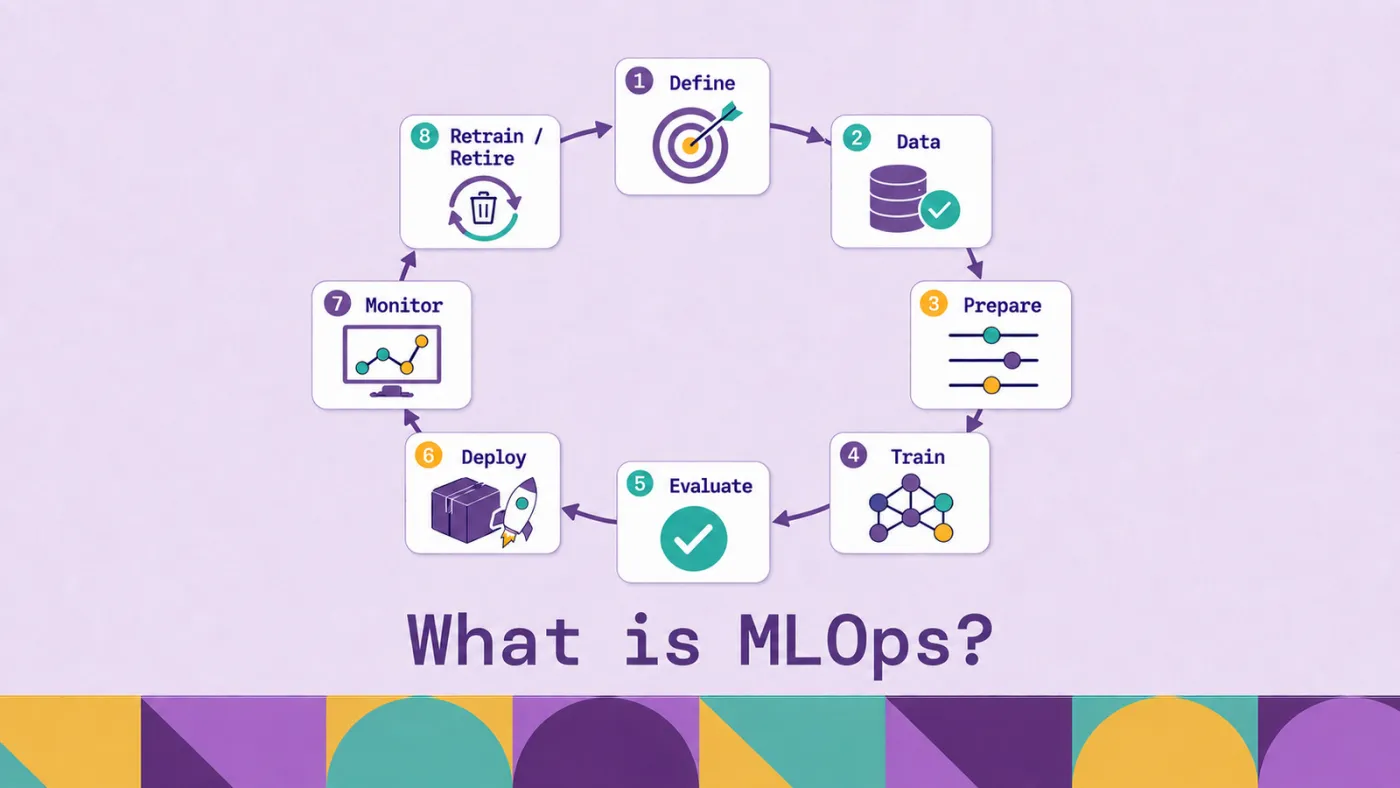
MLOps: Definition, Lifecycle, Tools, Benefits
Learn what MLOps is, how the machine learning lifecycle works, MLOps architecture, tools, best practices, use cases, and how MLOps supports AI deployments.
AI/ML
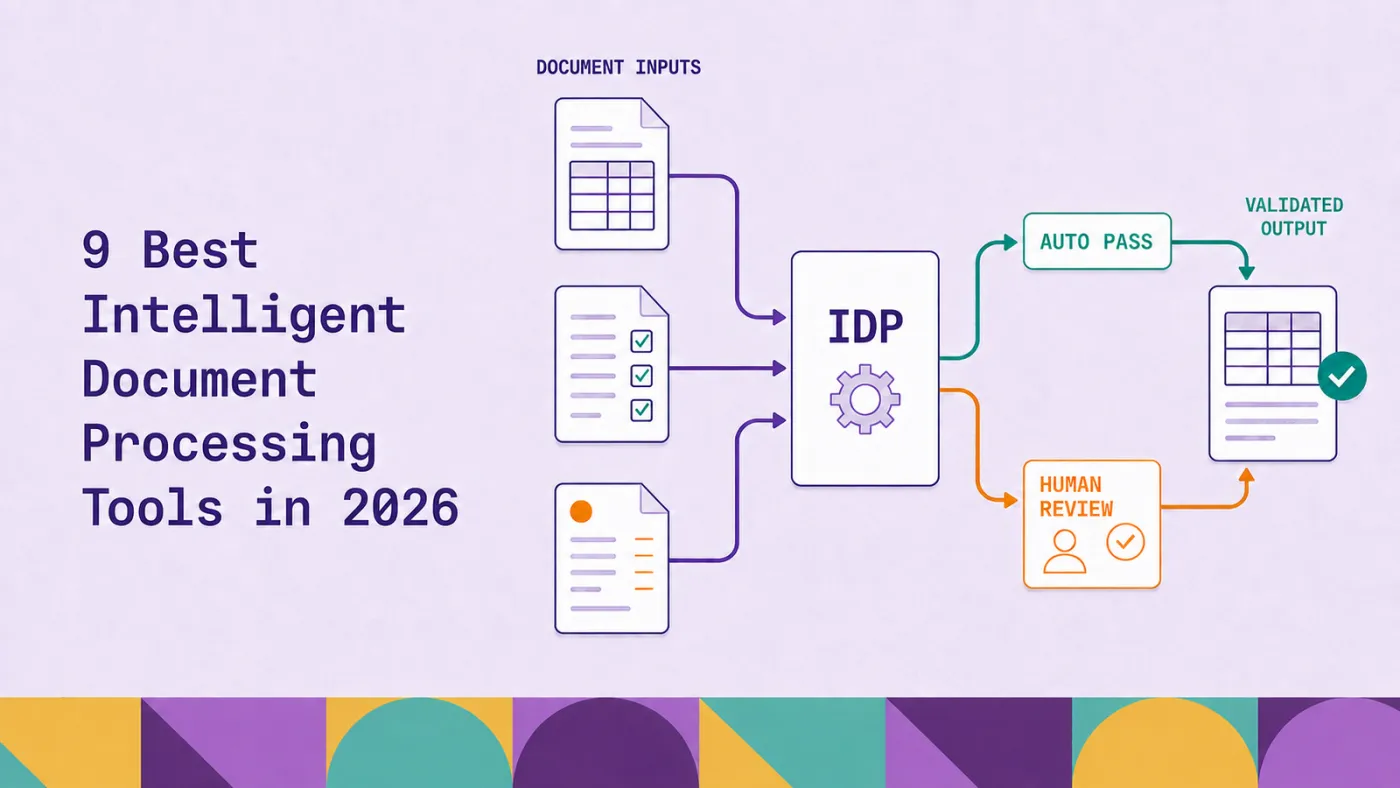
9 Best Intelligent Document Processing Tools in 2026
Compare the 9 best intelligent document processing tools, including ABBYY, UiPath, Hyperscience, Google Document AI, Azure, Textract, Rossum, Nanonets, and Docsumo.
Database Concept
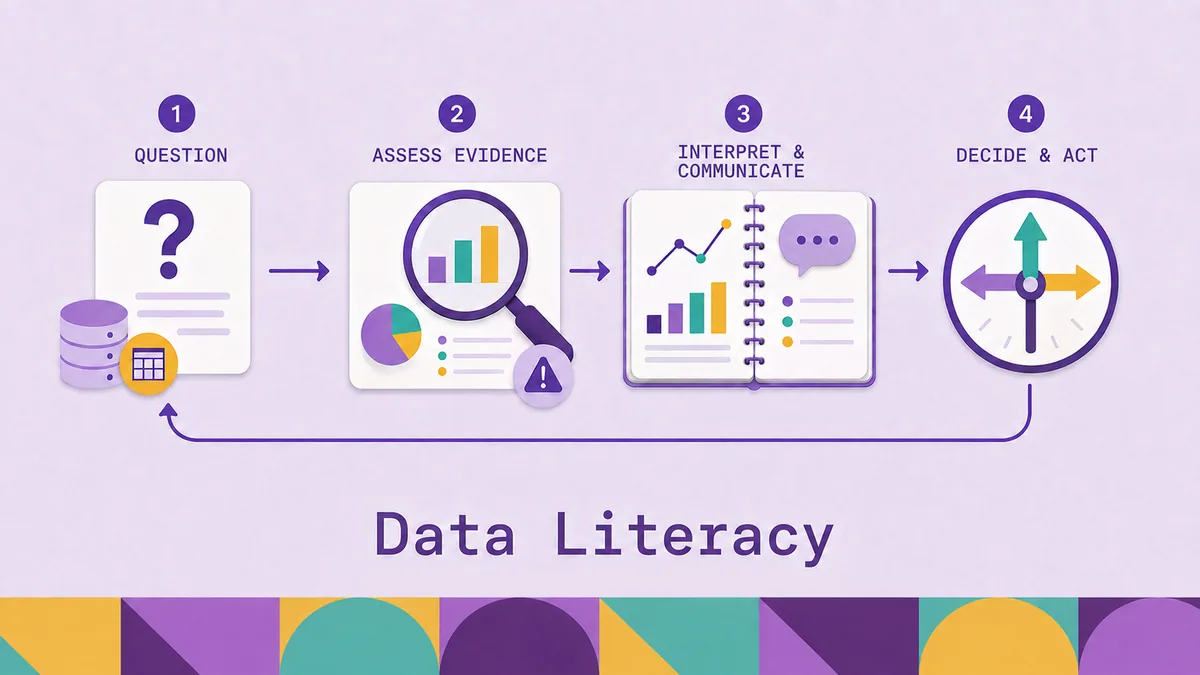
Data Literacy: Definition, Skills, Benefits
Learn what data literacy is, why it matters, essential data literacy skills, training strategies, frameworks, and how organizations can build a data-literate culture.
AI/ML
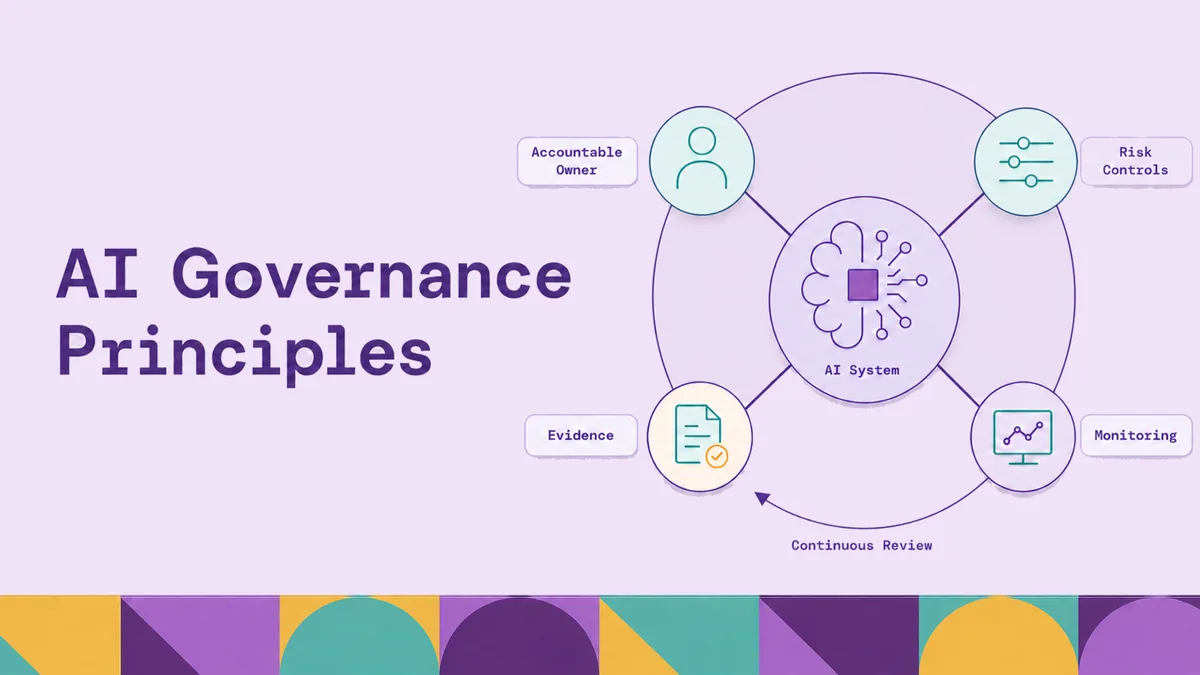
AI Governance Principles: Framework, Best Practices & Guide
Learn the core AI governance principles, including transparency, fairness, accountability, privacy, security, human oversight, risk management, and compliance.
Database Concept
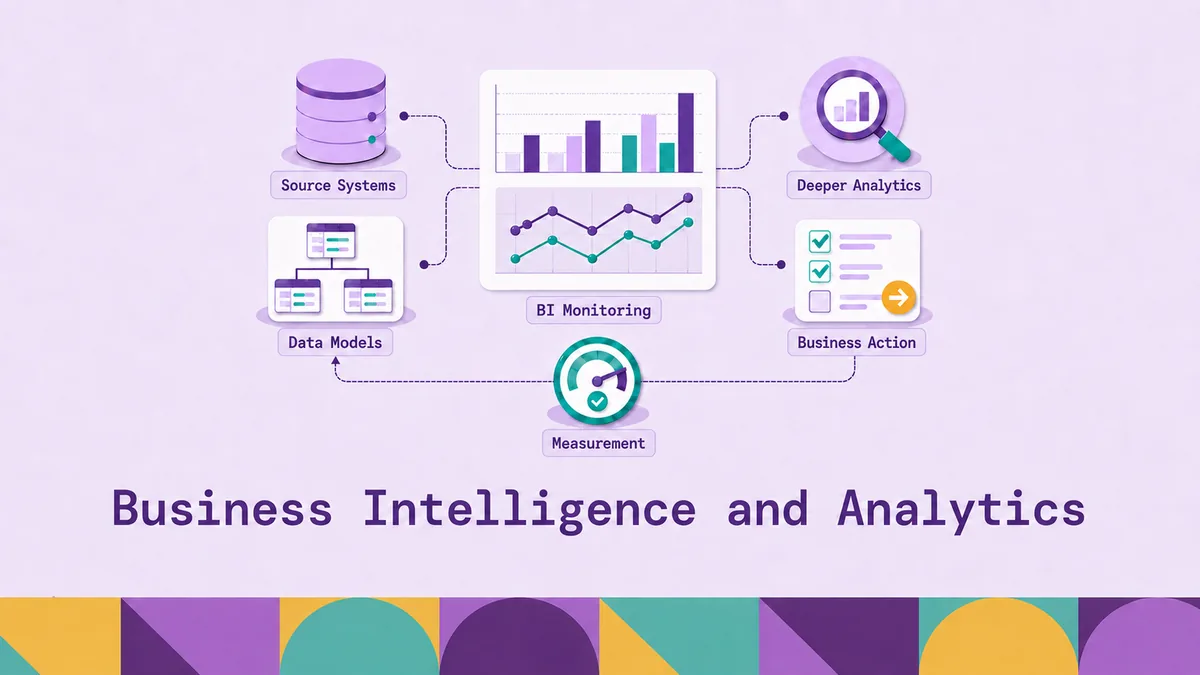
Business Intelligence and Analytics: Complete Guide
Learn how business intelligence and analytics work, their benefits, types, use cases, tools, architecture, and how AI is transforming data-driven decision-making.
AI/ML
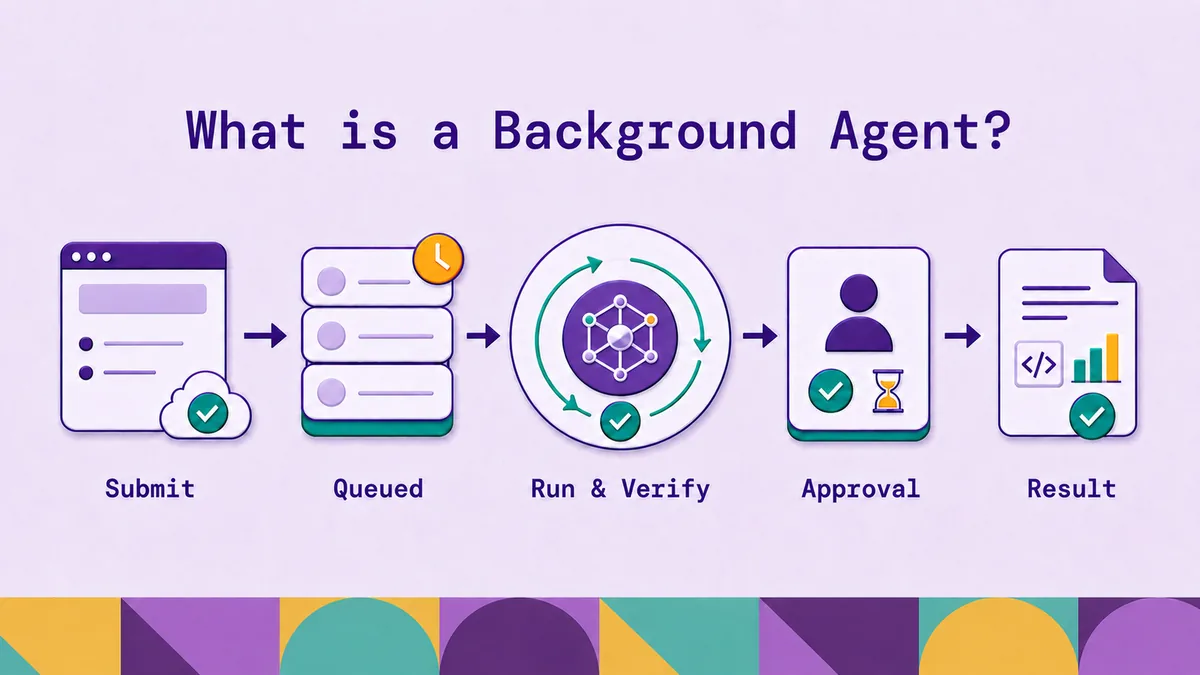
What Is a Background Agent? Benefits & Architecture
Learn what a background agent is, how it works, its architecture, benefits, use cases, and how background agents power asynchronous AI workflows.
Cybersecurity
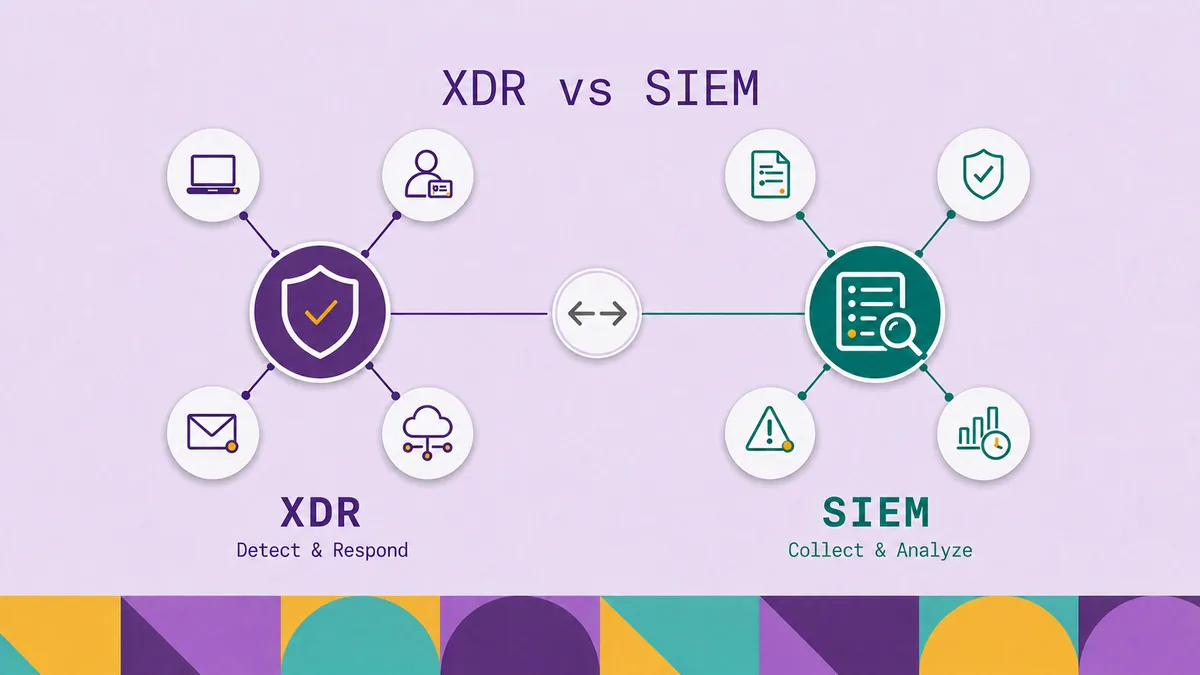
XDR vs SIEM: Key Differences
Compare XDR vs SIEM to understand their differences, capabilities, use cases, benefits, and when to use each for modern cybersecurity operations.
Database Concept
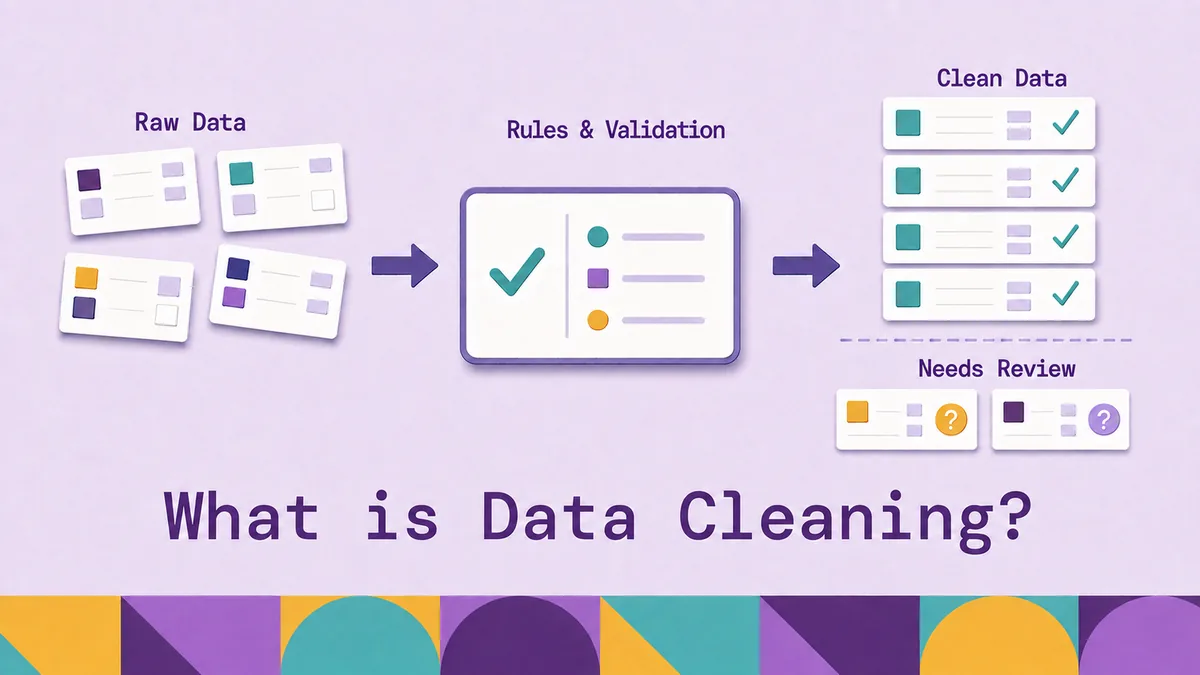
What Is Data Cleaning ? The Ultimate Guide
Learn what data cleaning is, why it matters, and how to clean data using proven techniques, best practices, and modern tools to improve data quality.
Database Concept
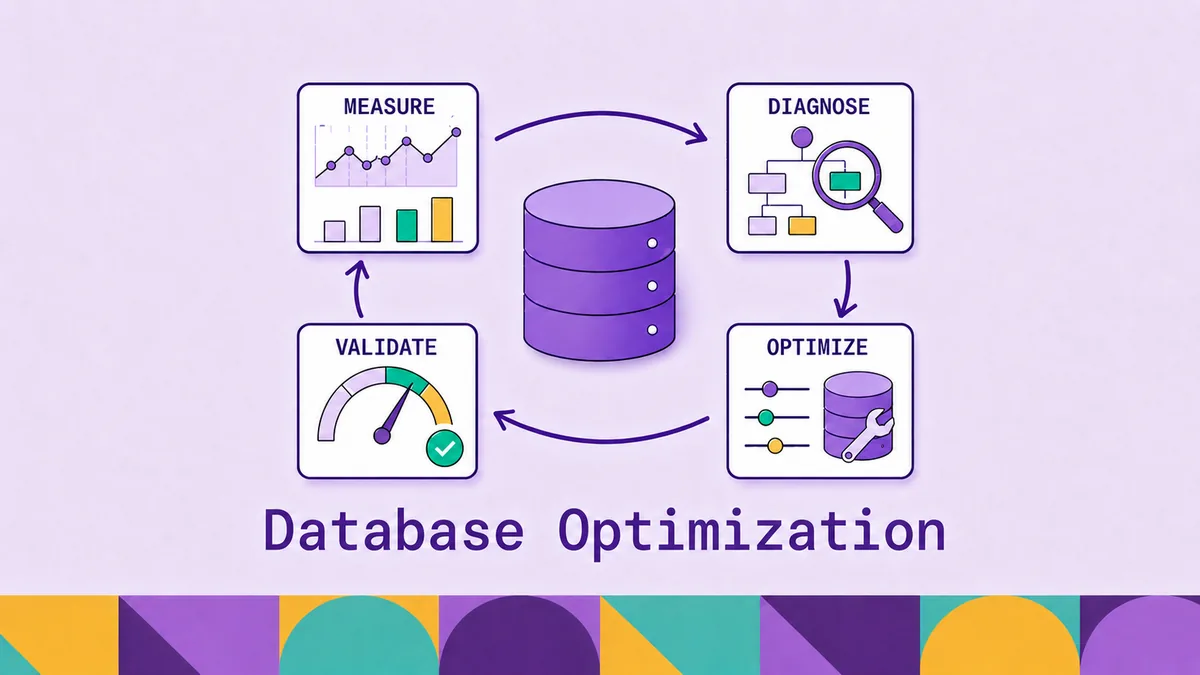
Database Optimization: 7 Techniques To Use
Learn database optimization techniques, query tuning, indexing, schema design, caching, and performance monitoring to build faster, scalable databases.
Database Concept
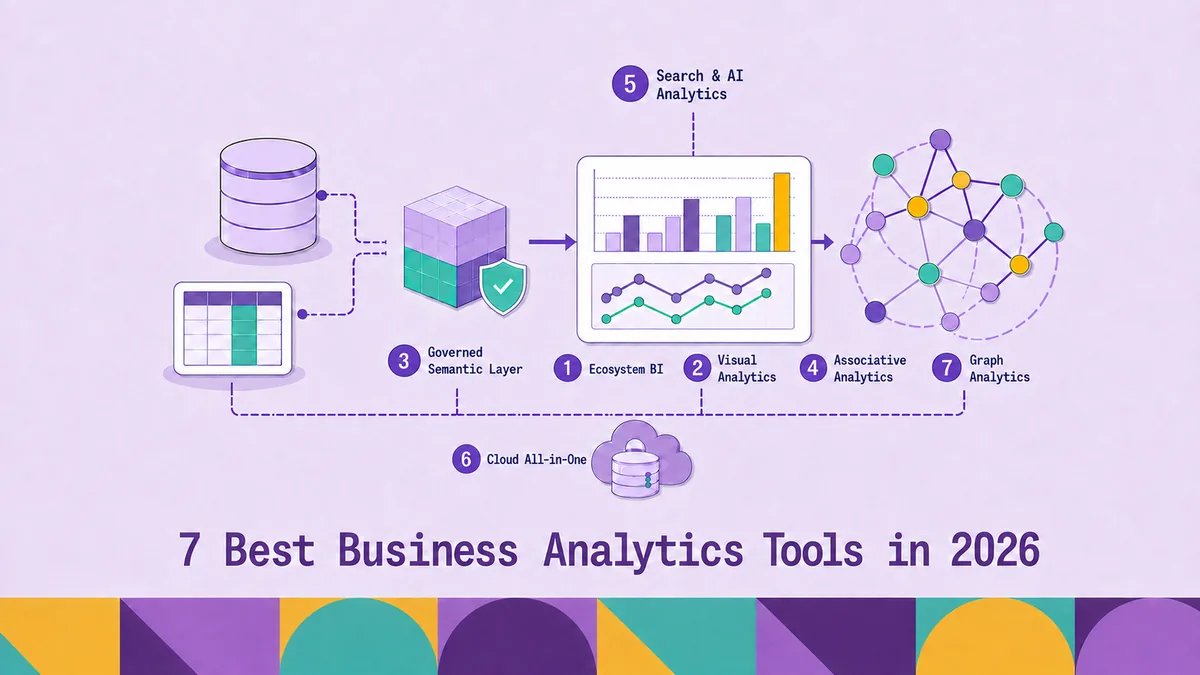
7 Best Business Analytics Tools in 2026
Discover the best business analytics tools, their key features, benefits, and use cases. Learn how analytics platforms help organizations make data-driven decisions.
Database Concept
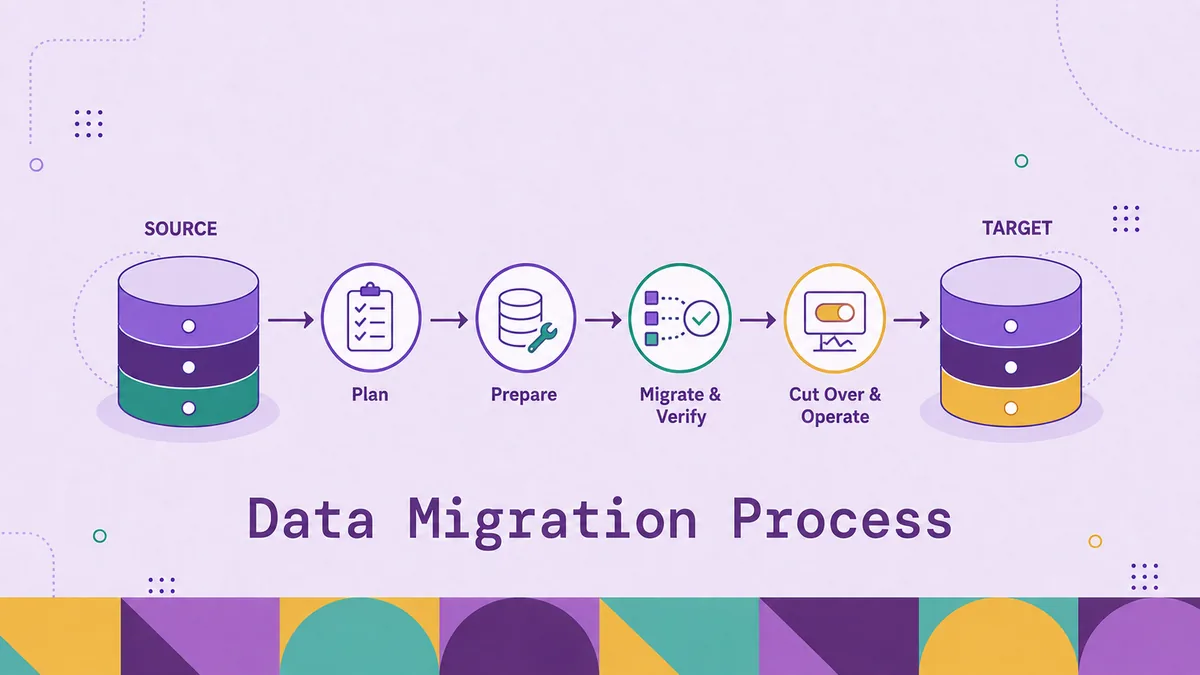
Data Migration Process: 8 Steps & Strategy
Learn the data migration process, including planning, data assessment, migration methods, testing, validation, challenges, and best practices for a successful migration.
Database Concept
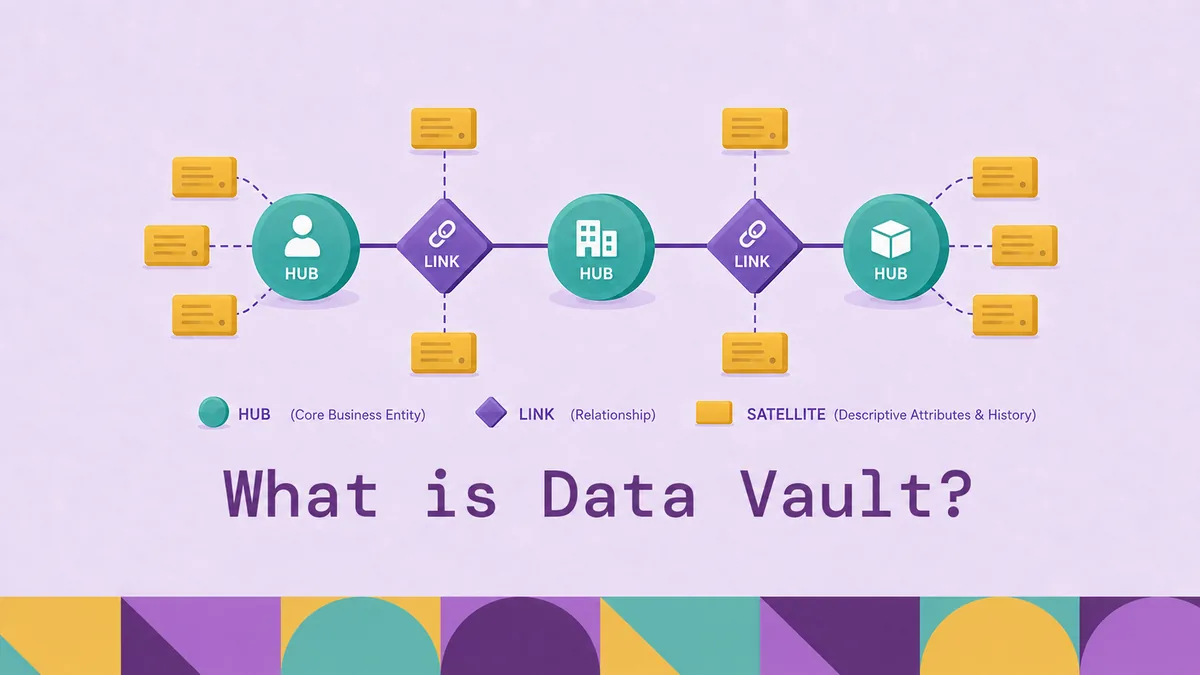
What Is Data Vault? Architecture & Modeling
Learn what Data Vault is, how it works, its architecture, components, benefits, challenges, and how it compares with Kimball and Inmon data modeling.
Database Concept
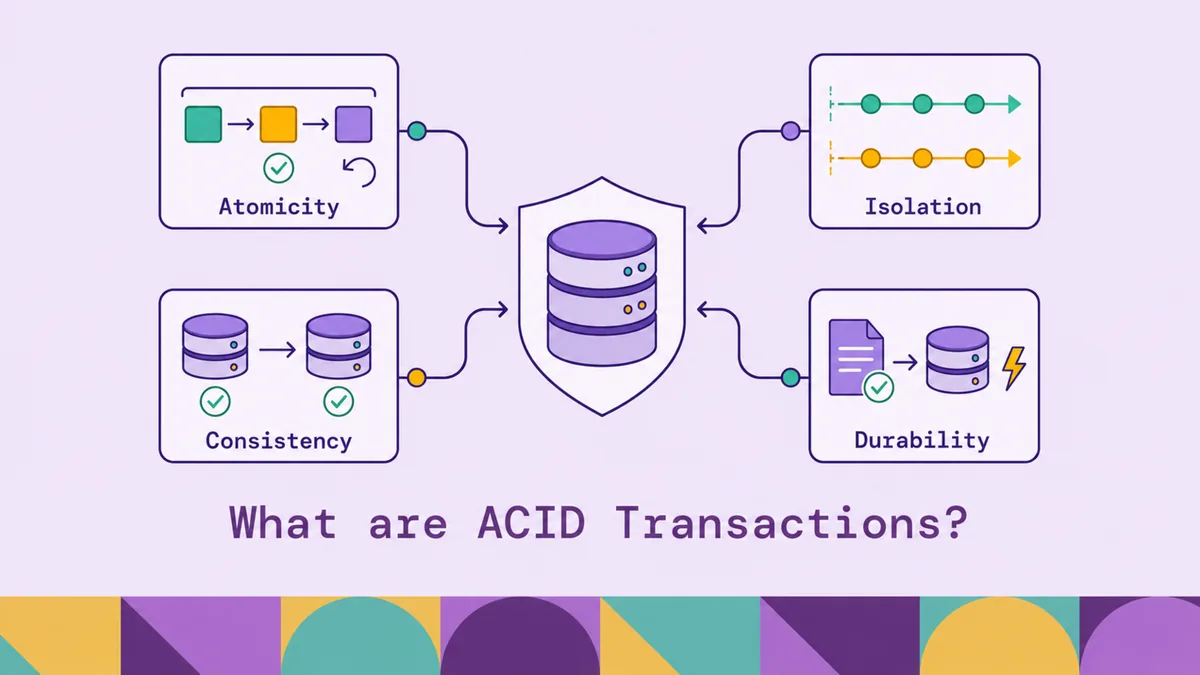
What Are ACID Transactions? Principles, Examples & Benefits
Learn what ACID transactions are, how the ACID properties work, why they matter in databases, and how they ensure reliable, consistent, and secure transactions.
AI/ML
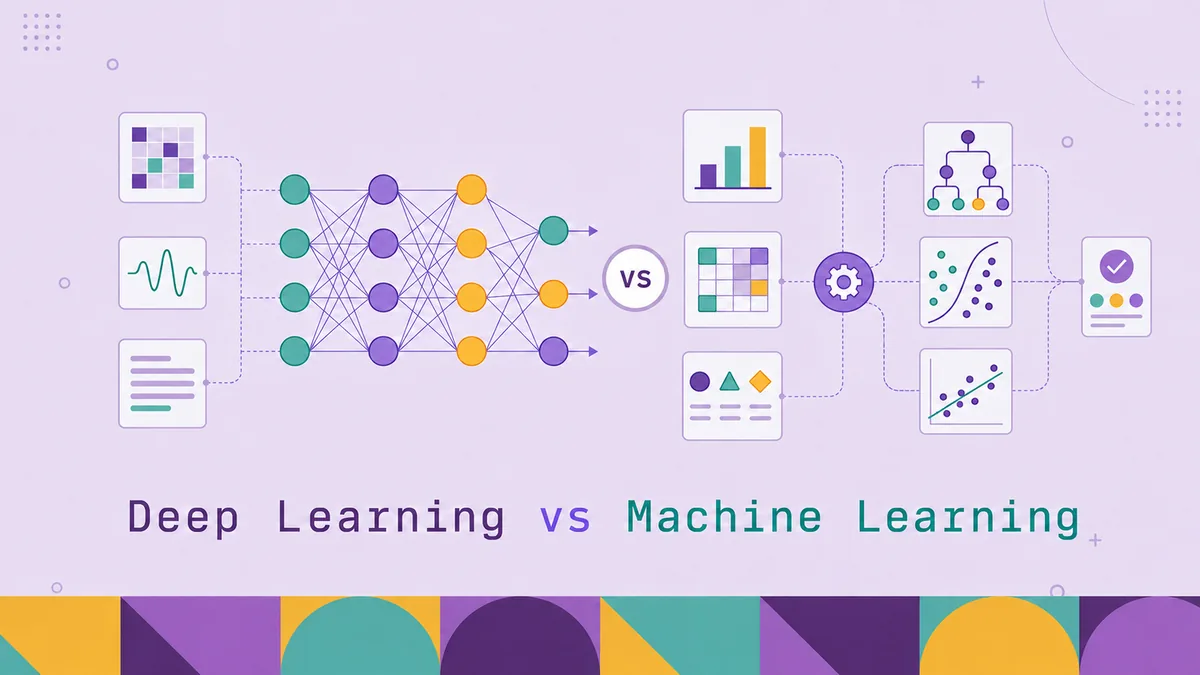
Deep Learning vs. Machine Learning: Key Differences
Compare deep learning vs. machine learning, including how they work, key differences, use cases, advantages, limitations, and how to choose the right approach.
Database Concept
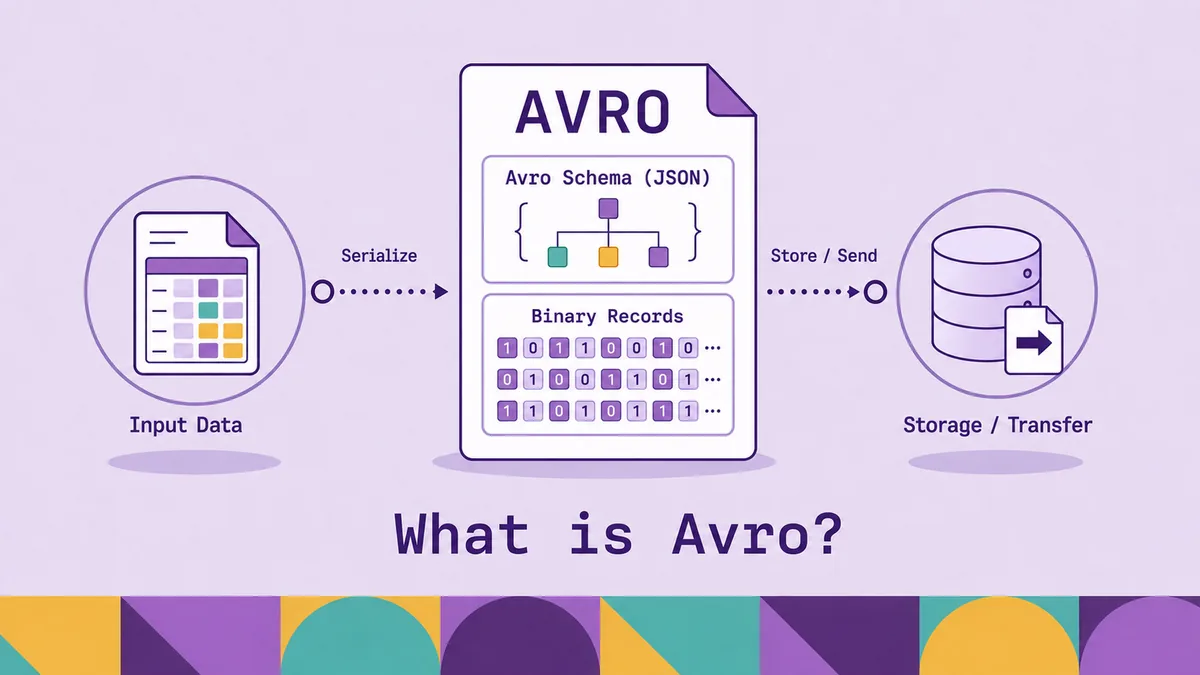
What Is Avro? Format & Architecture
Learn what Apache Avro is, how it works, its architecture, schema evolution, advantages, use cases, and how it compares with Parquet, ORC, and JSON.
Database Concept
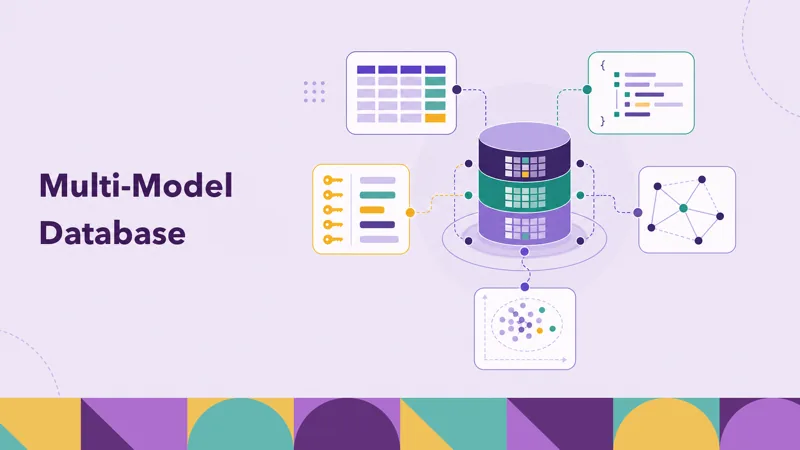
What Is a Multi-Model Database? Benefits, Types & Use Cases
Learn what a multi-model database is, how it works, its architecture, benefits, use cases, and how it compares with relational, NoSQL, and graph databases.
Data Lakehouse Graph Analysis
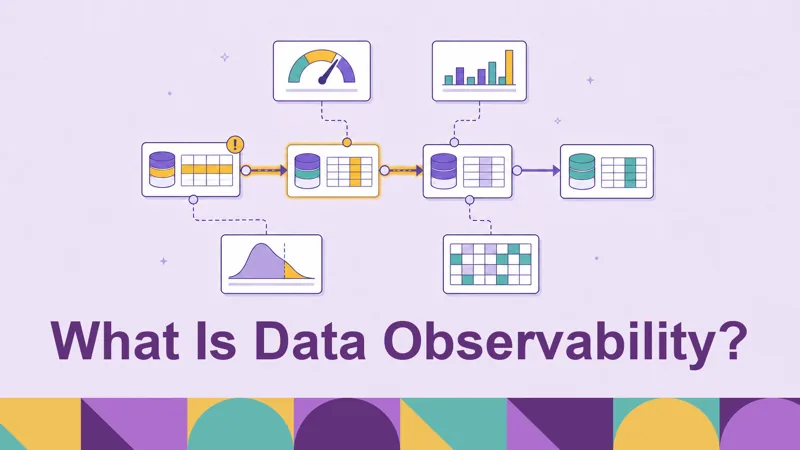
What Is Data Observability? Benefits, Components
Learn what data observability is, why it matters, how it works, its five pillars, the data quality issues it detects, and its benefits for reliable data pipelines.
Database Concept
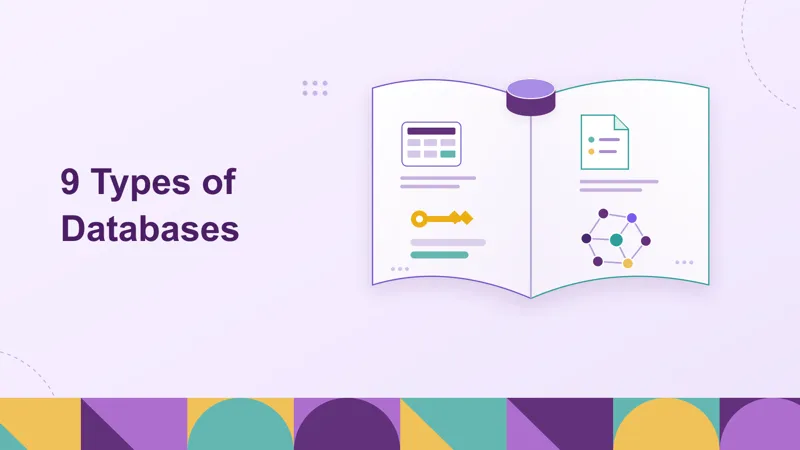
9 Types of Databases Explained
Compare 9 database types: relational, NoSQL, document, key-value, wide-column, graph, object-oriented, hierarchical, and operational, with use cases and limits.
AI/ML
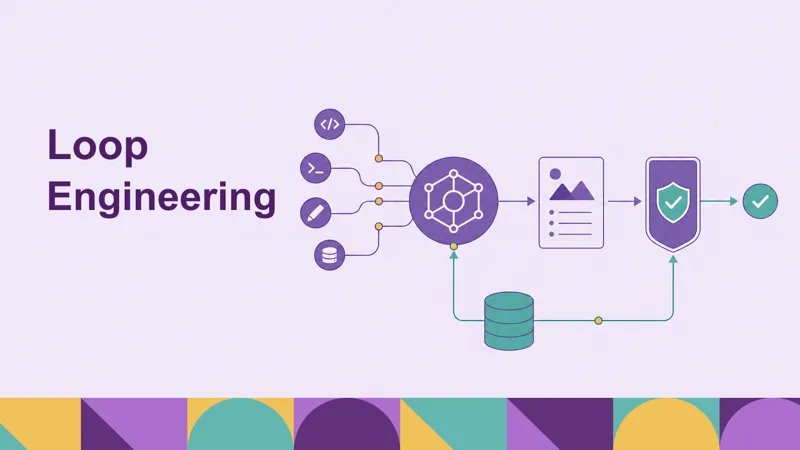
What Is Loop Engineering? Definition & Process
Learn what loop engineering is, how it works, its core components, benefits, use cases, best practices, and its role in AI and software engineering.
Cybersecurity
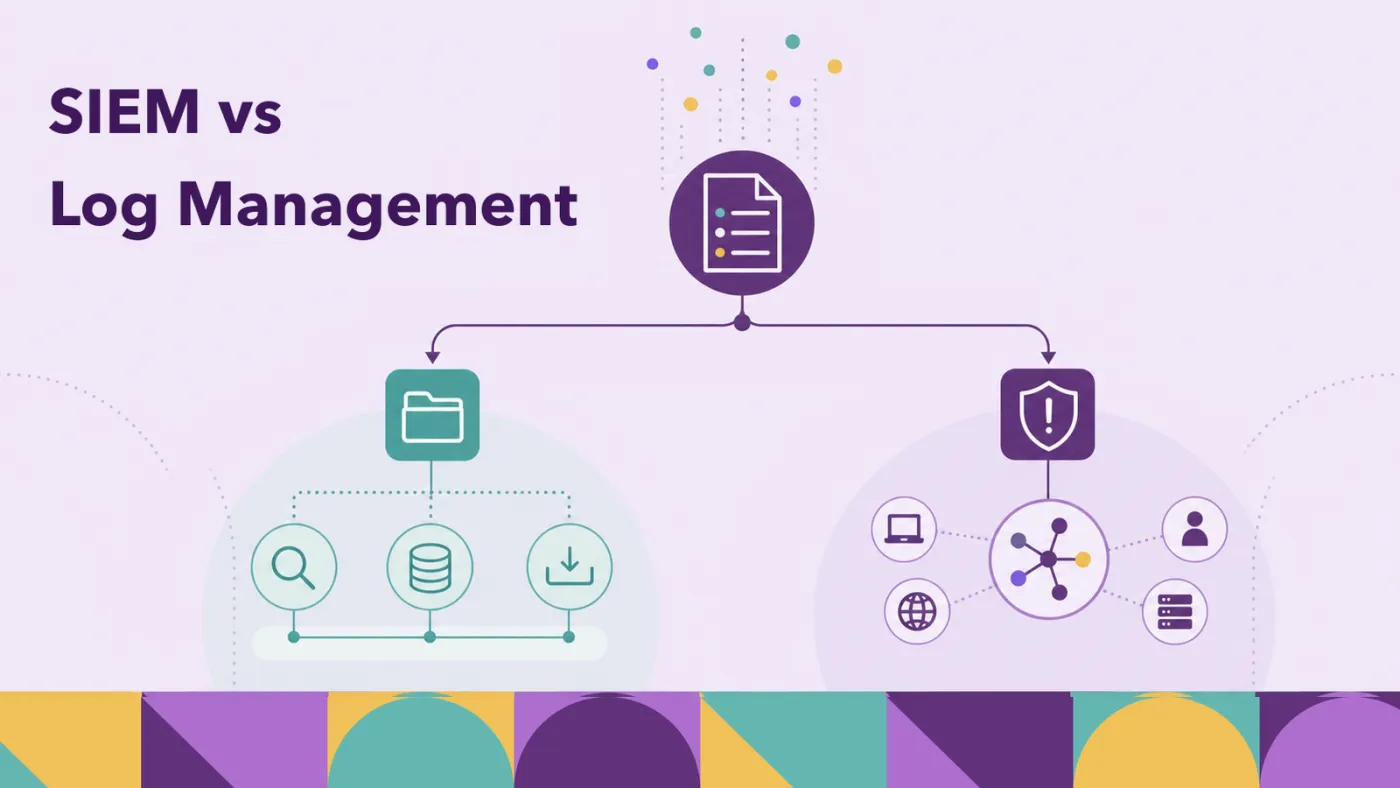
SIEM vs Log Management: Key Differences
Compare SIEM vs log management to understand their differences, capabilities, benefits, and when to use each for security monitoring and compliance.
Database Concept
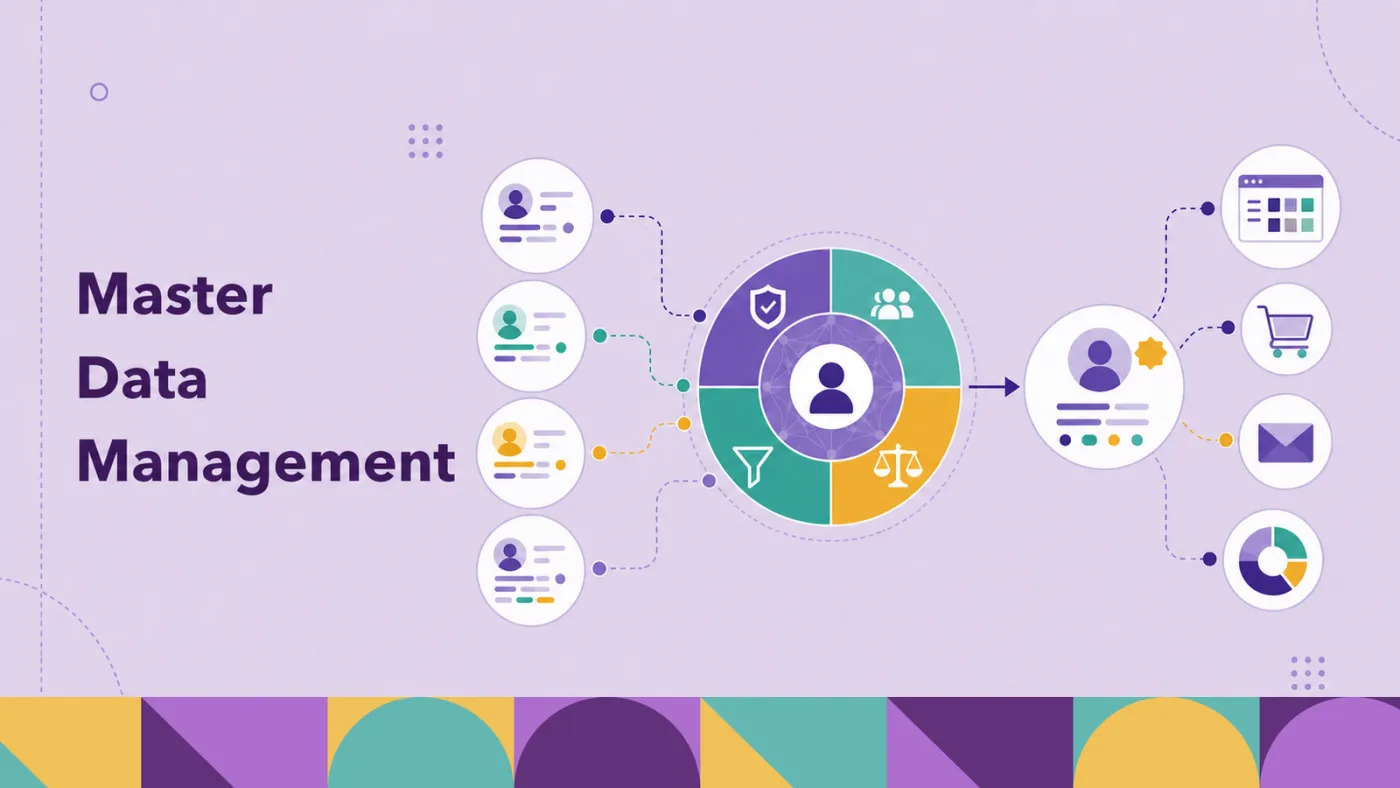
What Is Master Data Management (MDM)?
Learn what Master Data Management (MDM) is, how it works, its architecture, benefits, implementation steps, best practices, use cases, and top MDM tools.
Database Concept
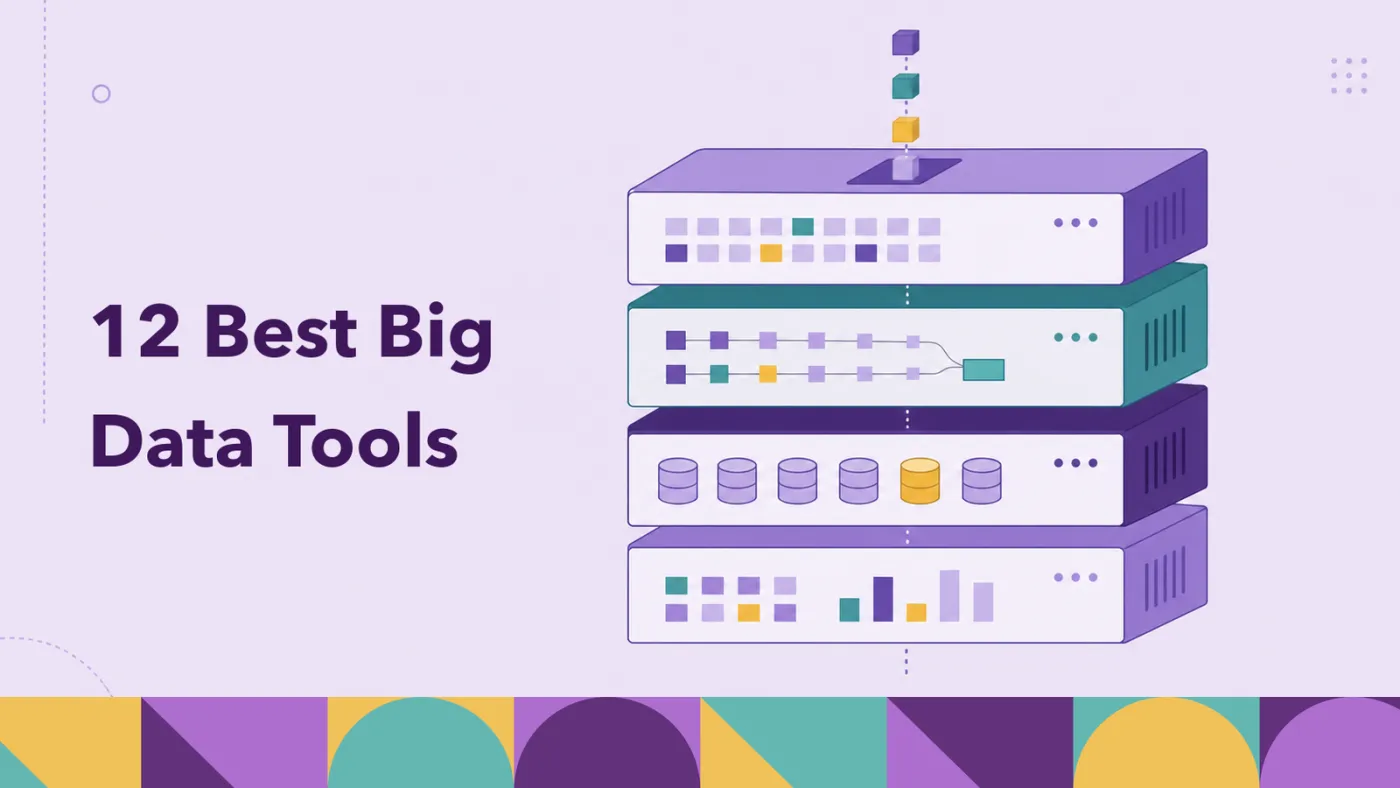
12 Best Big Data Tools in 2026
Compare the 12 best big data tools across processing, streaming, warehousing, and query engines. Features, use cases, cost considerations, and how to choose.
Database Concept
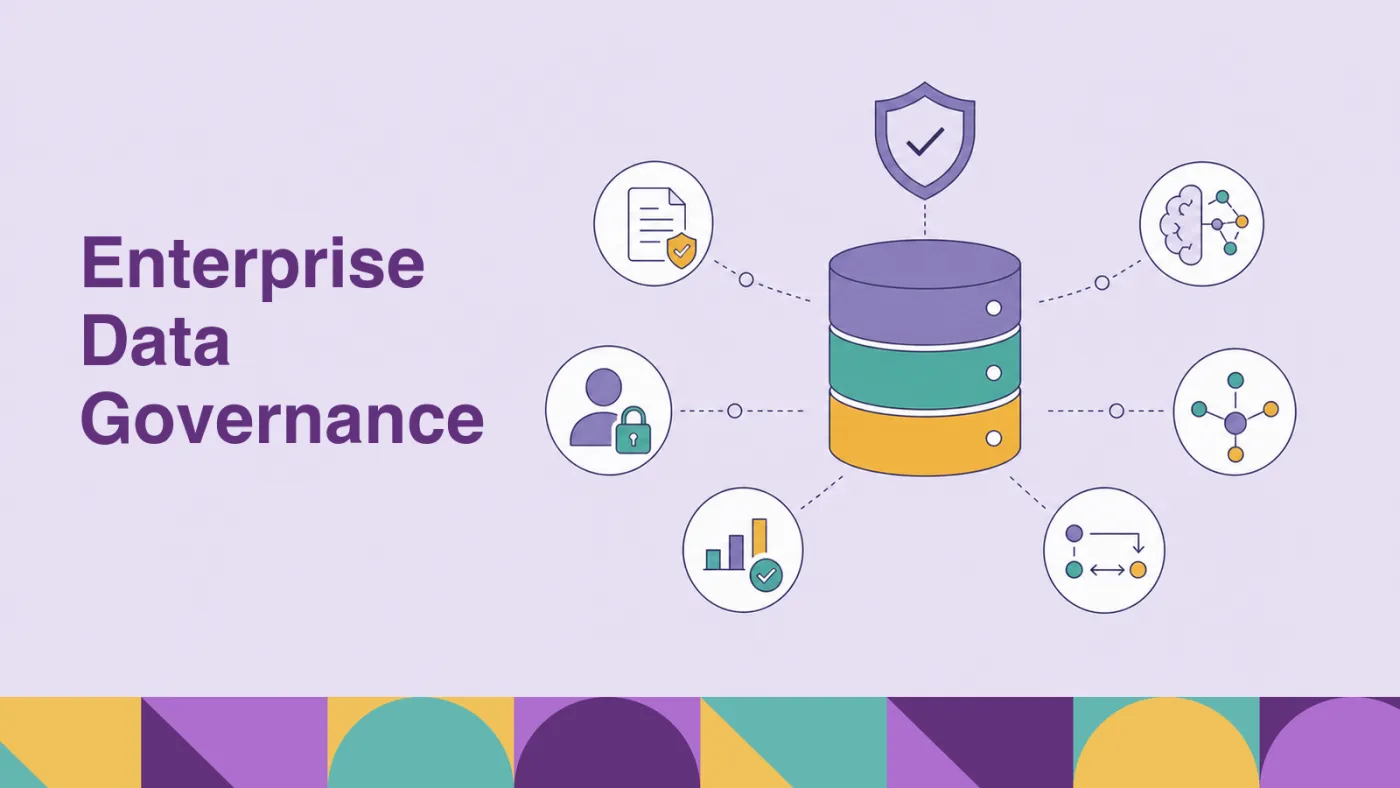
Enterprise Data Governance: Framework, Best Practices & AI
Learn what enterprise data governance is, why it matters, its key components, governance framework, roles, best practices, challenges, and how it supports AI and GenAI initiatives.
Database Concept
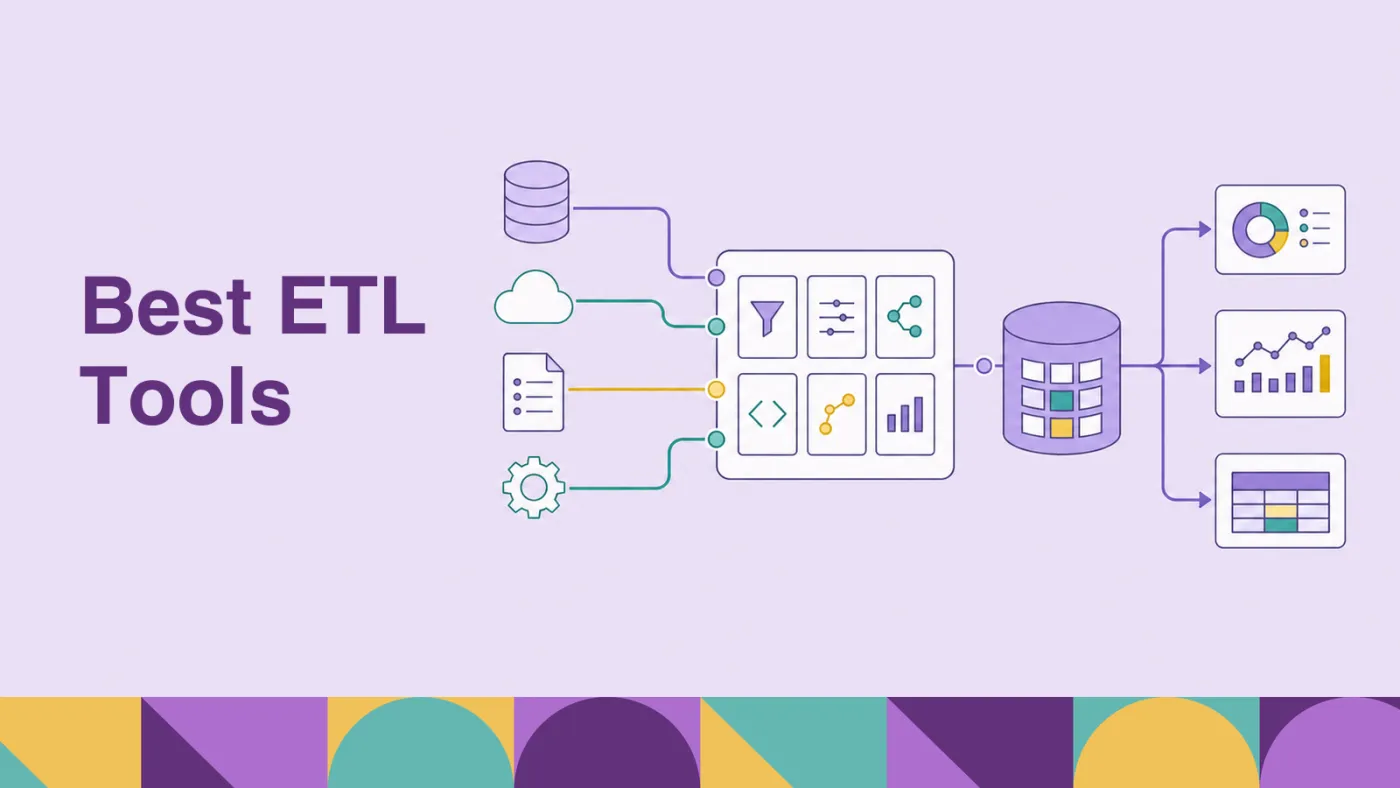
13 Best ETL Tools in 2026
Compare the best ETL tools for data integration. Learn their features, use cases, pricing considerations, and how to choose the right ETL solution for your organization.
Database Concept
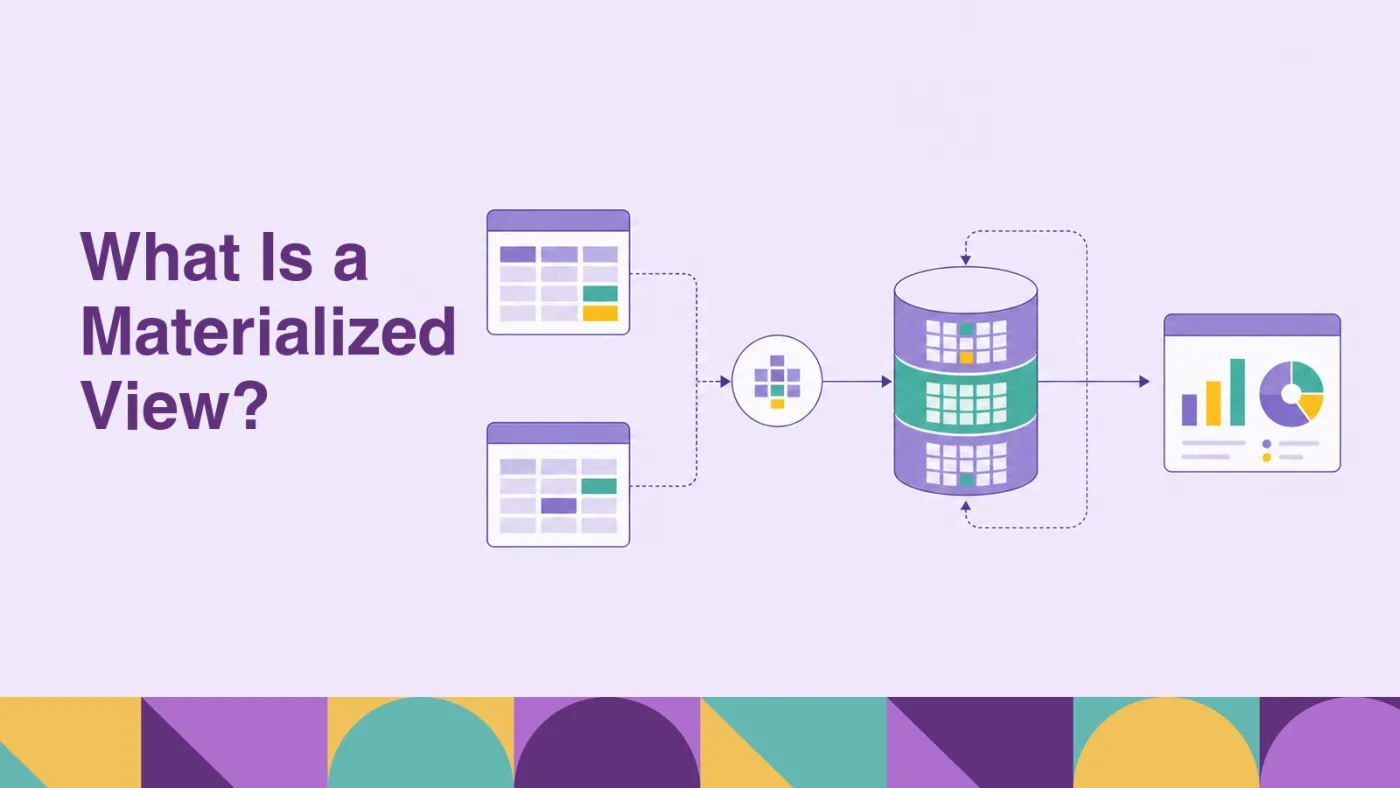
What Is a Materialized View? Benefits, Use Cases & Best Practices
Learn what a materialized view is, how it works, when to use it, its benefits and limitations, and how it compares with standard views and database tables.
Database Concept
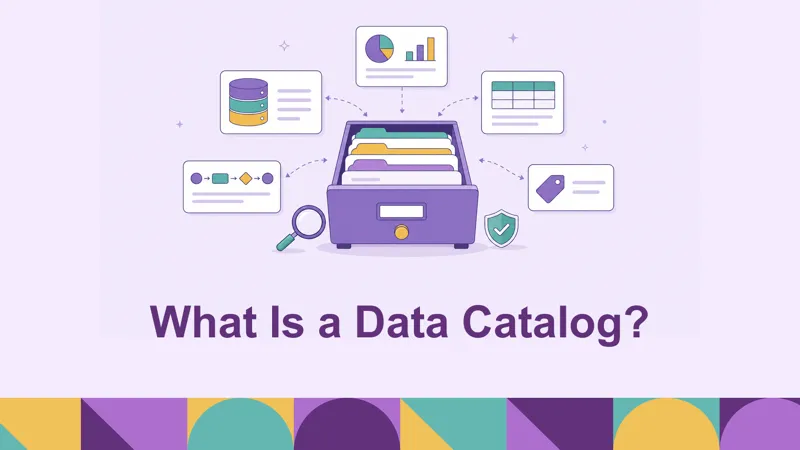
What Is a Data Catalog? Benefits, Features & Use Cases
Learn what a data catalog is, how it works, its key features, benefits, use cases, and how it helps organizations improve data discovery, governance, and analytics.
Database Concept
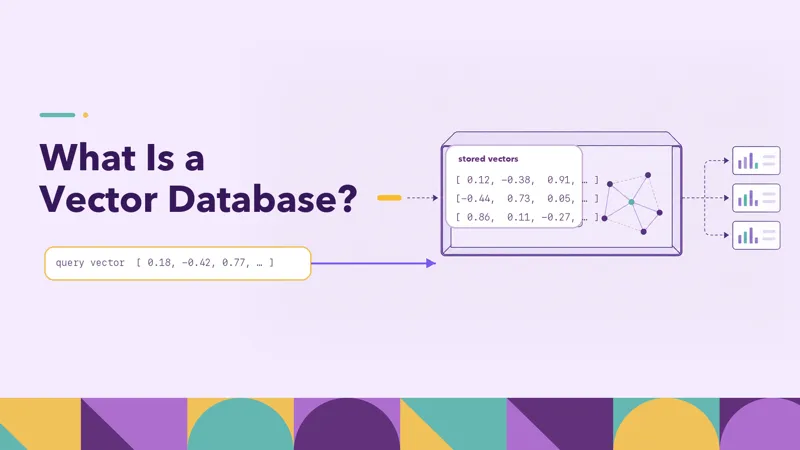
What Is a Vector Database? How It Works?
Learn what a vector database is, how it works, its key components, benefits, and real-world use cases in AI, semantic search, recommendation systems, and generative AI.
Data Lakehouse
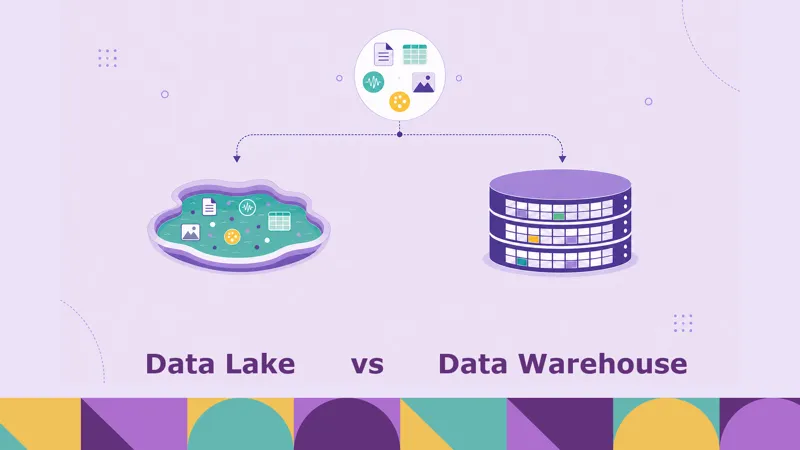
Data Lake vs Data Warehouse: Key Differences Explained
Compare data lakes and data warehouses across architecture, data types, performance, use cases, costs, and scalability to choose the right data storage solution.
AI/ML
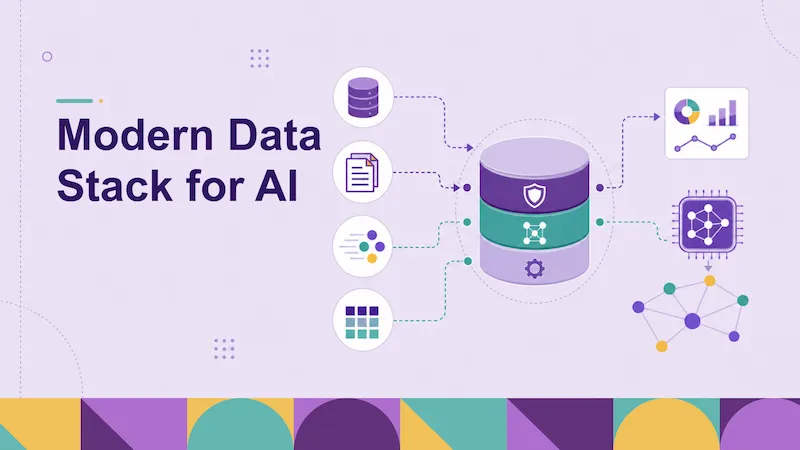
What Is a Modern Data Stack?
Learn what a modern data stack is, how it supports AI and machine learning, its core components, benefits, implementation best practices, and how it compares to legacy data architectures.
Database Concept
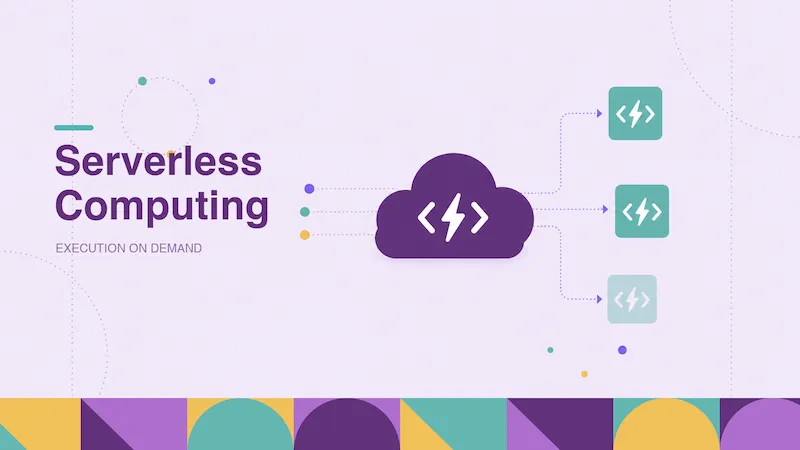
What Is Serverless Computing?
Learn what serverless computing is, how it works, its architecture, benefits, limitations, use cases, pricing model, and how it compares with containers and traditional cloud infrastructure.
Cybersecurity
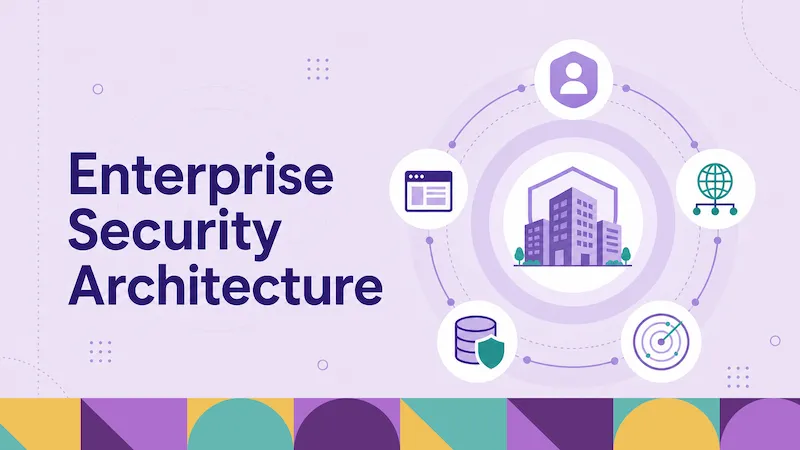
Enterprise Security Architecture: Framework & Principles
Learn what enterprise security architecture is, its core principles, frameworks, components, and best practices for building a resilient, scalable, and secure enterprise environment.
Data Lakehouse Database Concept
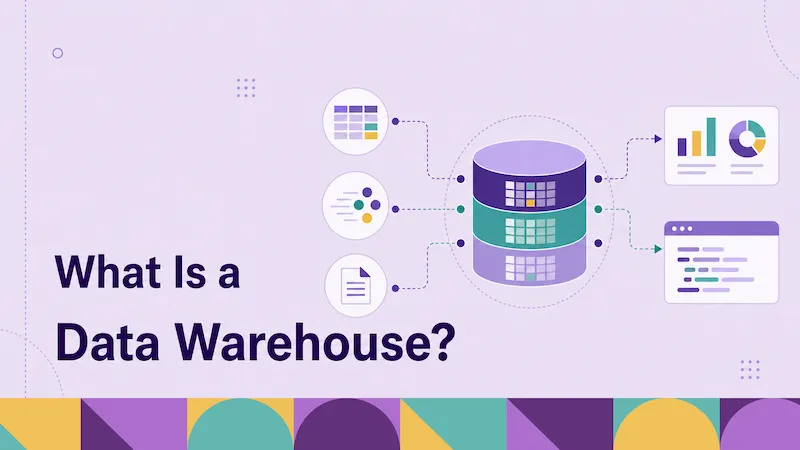
What Is a Data Warehouse? Architecture & Benefits
Learn what a data warehouse is, how it works, its architecture, key components, benefits, use cases, and how it differs from databases, data lakes, and lakehouses.
Cybersecurity
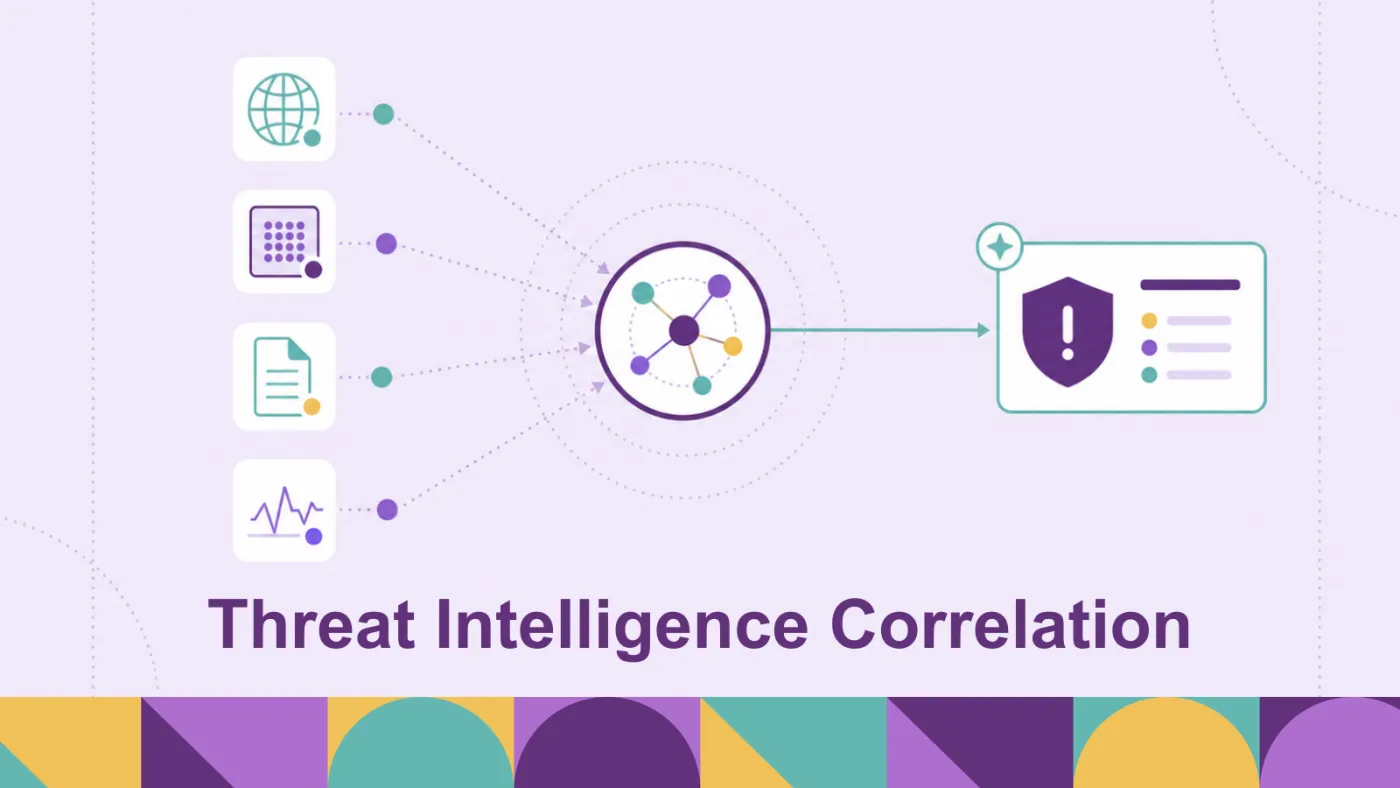
Threat Intelligence Correlation: What is it?
Learn how threat intelligence correlation connects IOCs, TTPs, threat actors, and security telemetry to uncover attack campaigns, prioritize risks, and accelerate incident response.
Database Concept
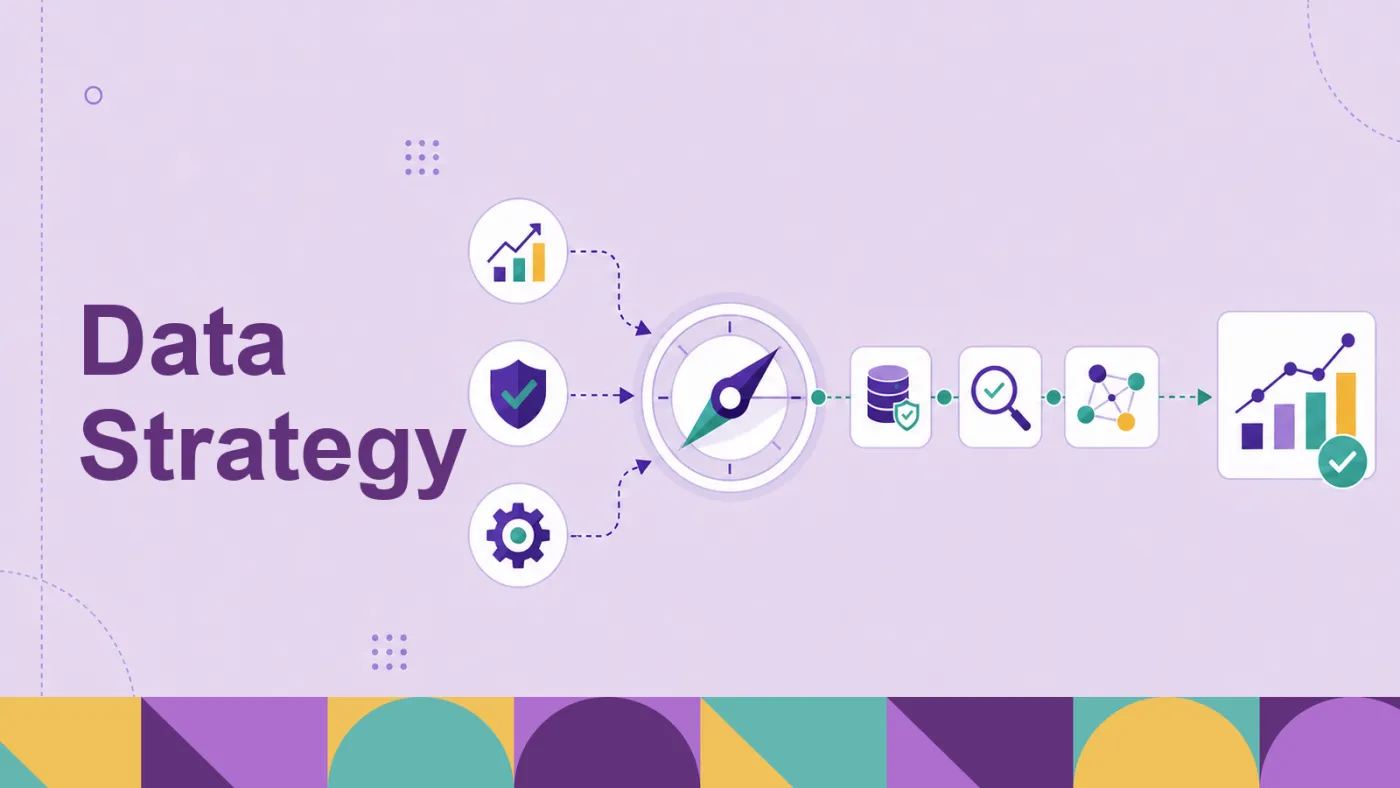
Data Strategy: Framework, Benefits & Best Practices
Learn what a data strategy is, why it matters, its key components, implementation steps, governance considerations, and best practices for building a data-driven organization.
Data Lakehouse
What Is a Data Lake? Definition, Architecture & Benefits
Learn what a data lake is, how it works, its architecture, benefits, use cases, and how it compares to data warehouses and lakehouses.
Data Lakehouse
Cloud Data Warehouse: Complete Guide
Explore cloud data warehouses, their key capabilities, business benefits, leading platforms, migration strategies, and how to choose the best solution for your organization.
Cybersecurity
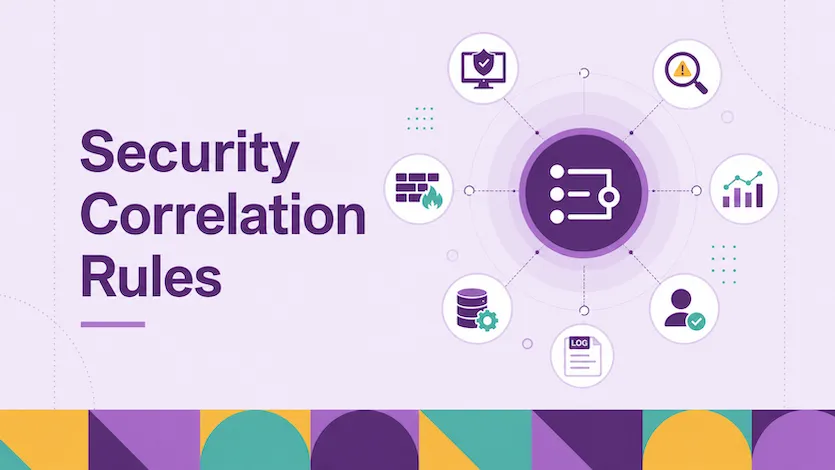
What Are Security Correlation Rules?
Learn what security correlation rules are, how they work, common rule types, real-world examples, best practices, and their role in SIEM and threat detection.
Database Concept
Parquet Files Explained: Format, Examples
Learn what Parquet files are, how the Apache Parquet format works, why it's preferred for big data and AI workloads, and how it compares to CSV, JSON, Avro, and ORC.
Graph Database
Oracle Graph vs Neo4j : Key Differences Explained
Oracle Graph vs Neo4j compared: discover key differences in features, performance, and deployment. See which graph database is the best choice for your workload.
AI/ML
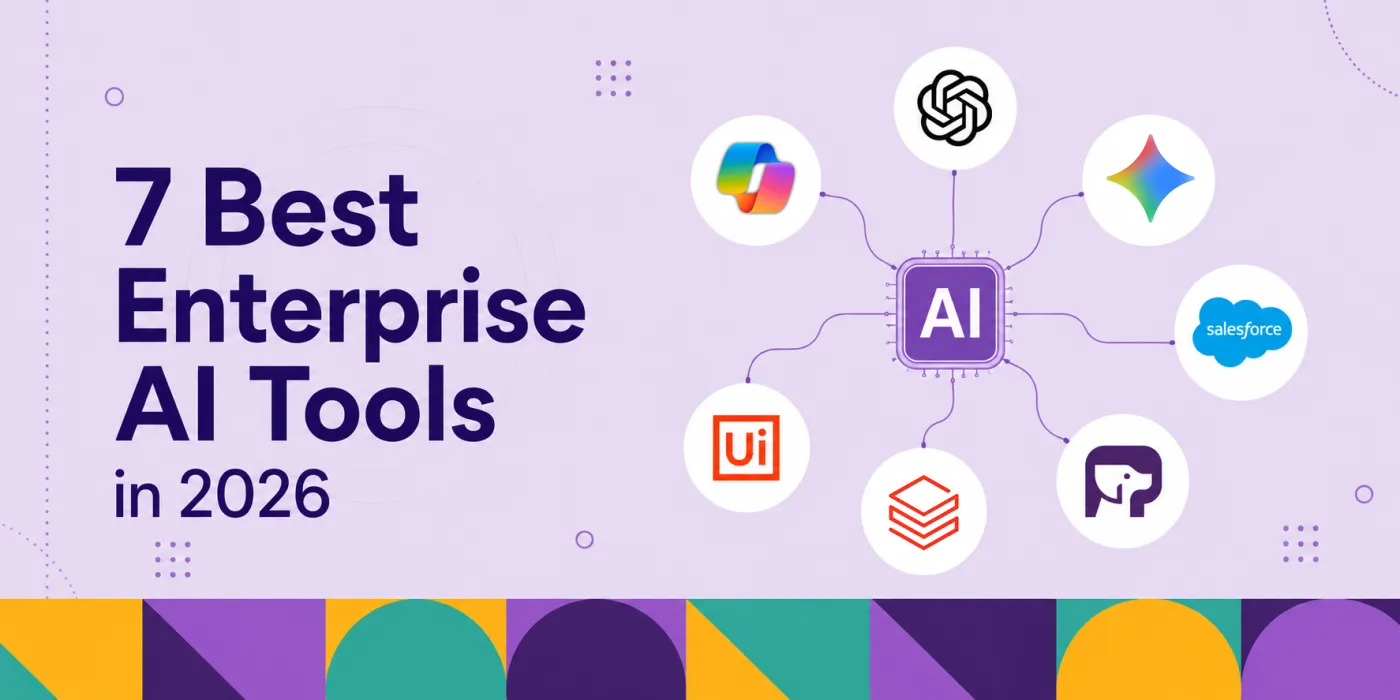
7 Best Enterprise AI Tools in 2026
Explore the 7 best enterprise AI tools for automation, analytics, productivity, customer service, and decision-making across modern organizations.
Cybersecurity
Security Data Fabric: Architecture, Benefits & Enterprise Use Cases
Learn what a security data fabric is, how it unifies security data across tools, improves threat detection, and enables AI-driven security operations with contextual insights.
Database Concept Data Lakehouse
Postgres vs Neo4j : Key Differences Explained
Postgres vs Neo4j compared: discover key differences in features, performance, and deployment. See which database is the best choice for your workload.
Cybersecurity
7 Best Enterprise Security Tools in 2026
Discover the 7 best enterprise security tools for protecting networks, endpoints, cloud environments, and sensitive data. Compare features, benefits, and use cases to find the right solution for your organization.
Cybersecurity
Enterprise Application Security: A Complete Guide
Learn what enterprise application security is, explore common threats, best practices, security testing methods, compliance requirements, and strategies to protect enterprise applications.
Cybersecurity
What Is Enterprise Endpoint Security?
Learn what enterprise endpoint security is, why it matters, its core components, architecture, best practices, and how modern organizations protect endpoints from evolving cyber threats.
Cybersecurity
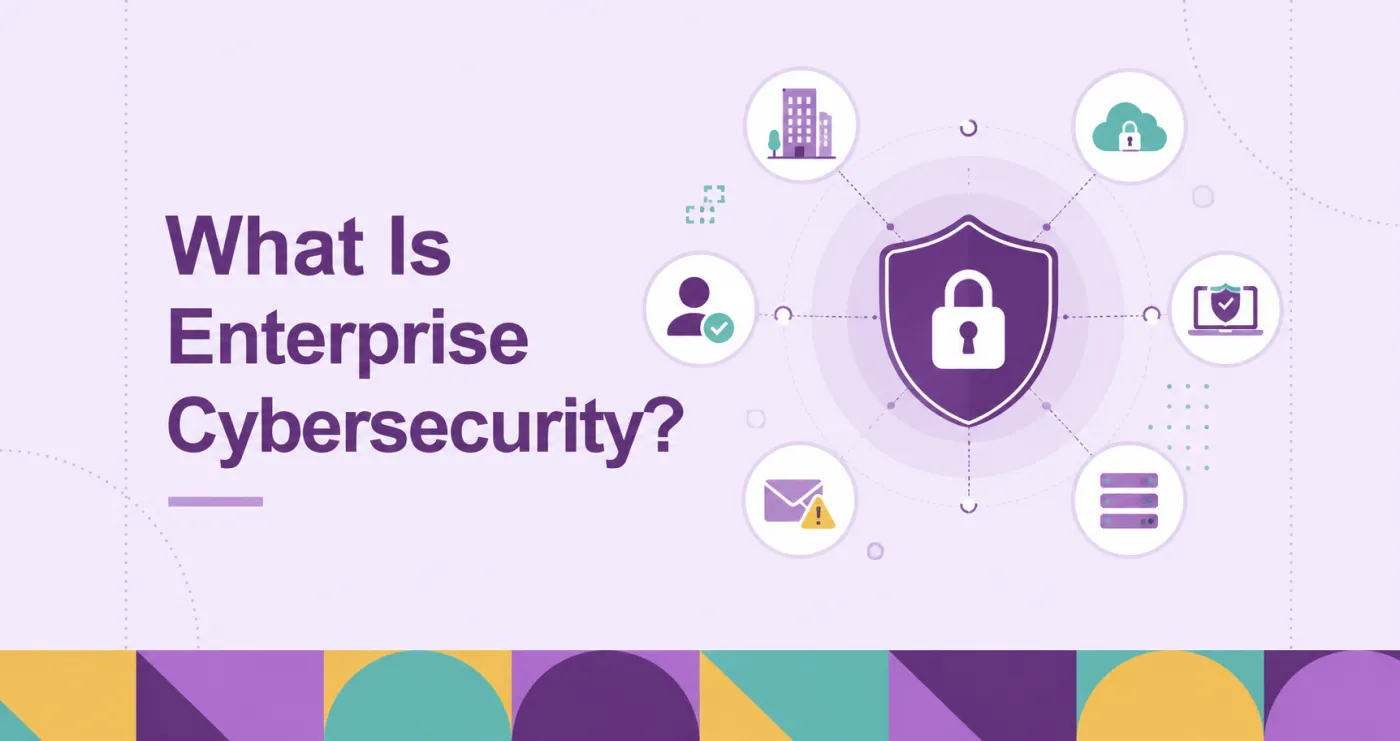
What Is Enterprise Cybersecurity?
Learn what enterprise cybersecurity is, why it matters, common cyber threats, security challenges, and best practices for protecting enterprise networks, applications, data, and users.
Graph Database
Apache AGE vs Neo4j: Key Differences and Comparison
Apache AGE vs Neo4j compared: discover key differences in features, performance, and deployment. See which graph database is the best choice for your workload.
Data Lakehouse
Sharding vs Partitioning: Key Differences
Learn the difference between sharding vs partitioning, including architecture, scalability, performance, benefits, challenges, and real-world database use cases.
Graph Database
NetworkX vs Neo4j: Key Differences Explained
NetworkX vs Neo4j compared: key differences in features, performance, and deployment to help you pick the right graph tool for your workload.
Graph Data Model
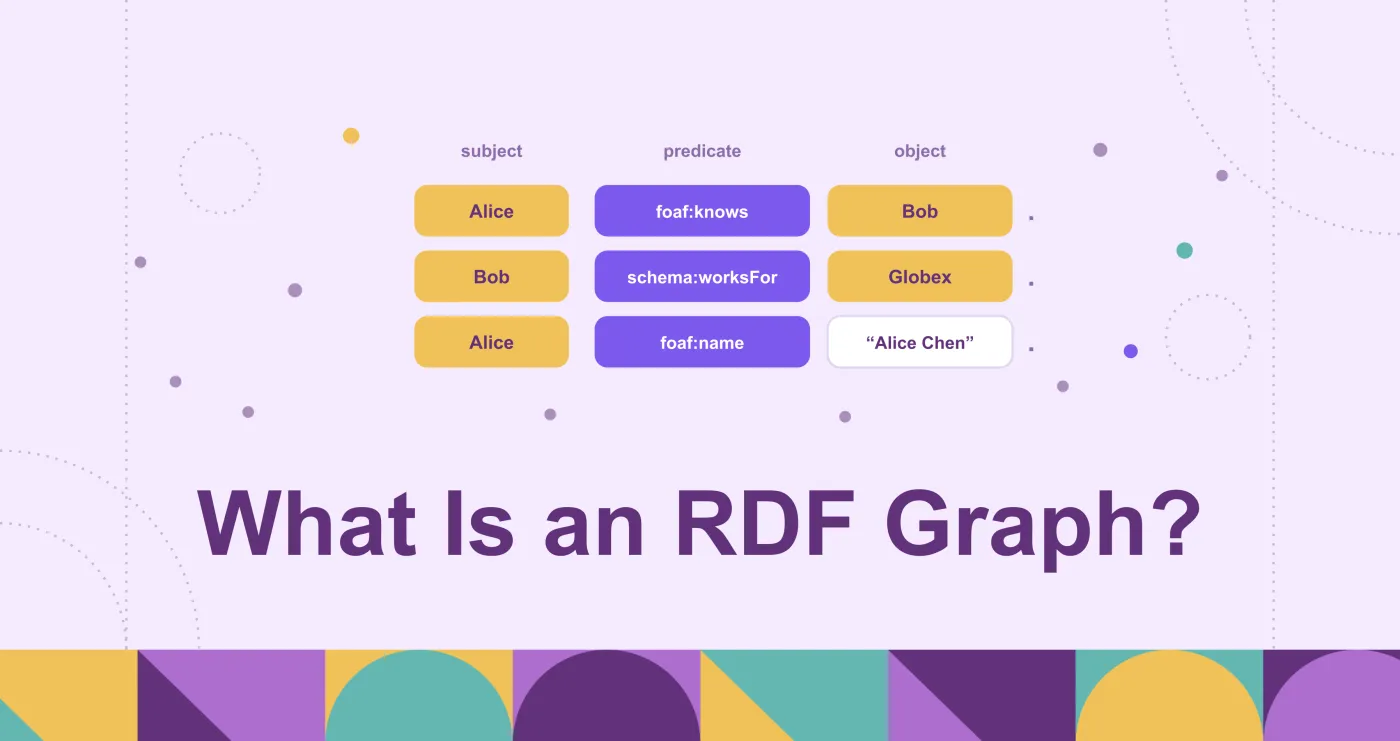
What Is an RDF Graph?
Learn what an RDF graph is, how it represents data through triples, and why it is essential for semantic web applications, knowledge graphs, linked data, and enterprise AI systems.
Cybersecurity
What Is Enterprise Cloud Security? Threats & Best Practices
Learn what enterprise cloud security is, the threats and challenges it addresses, how the shared responsibility model works, and best practices for the cloud.
Cybersecurity
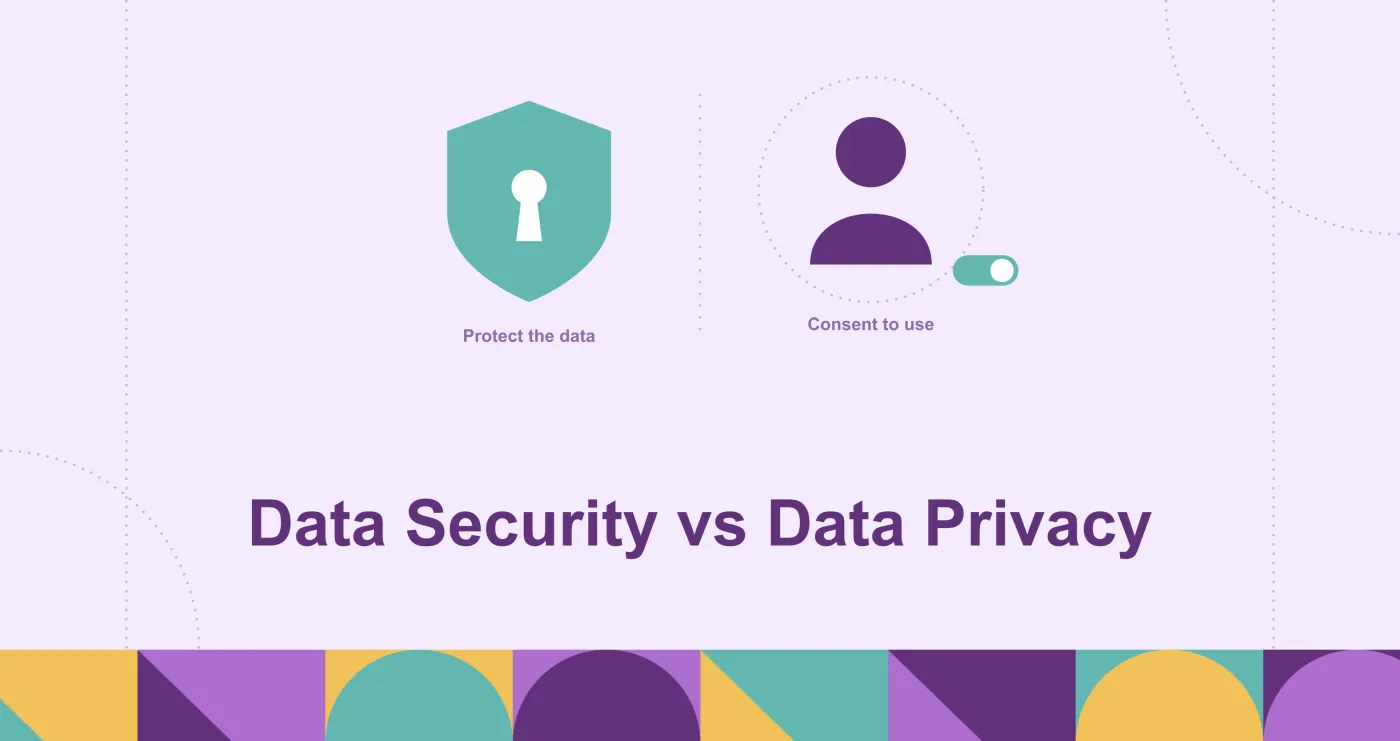
Data Security vs Data Privacy: Key Differences Explained
Data security protects data from unauthorized access; data privacy governs how personal data is used. Learn the key differences and how they work together.
Graph Data Model
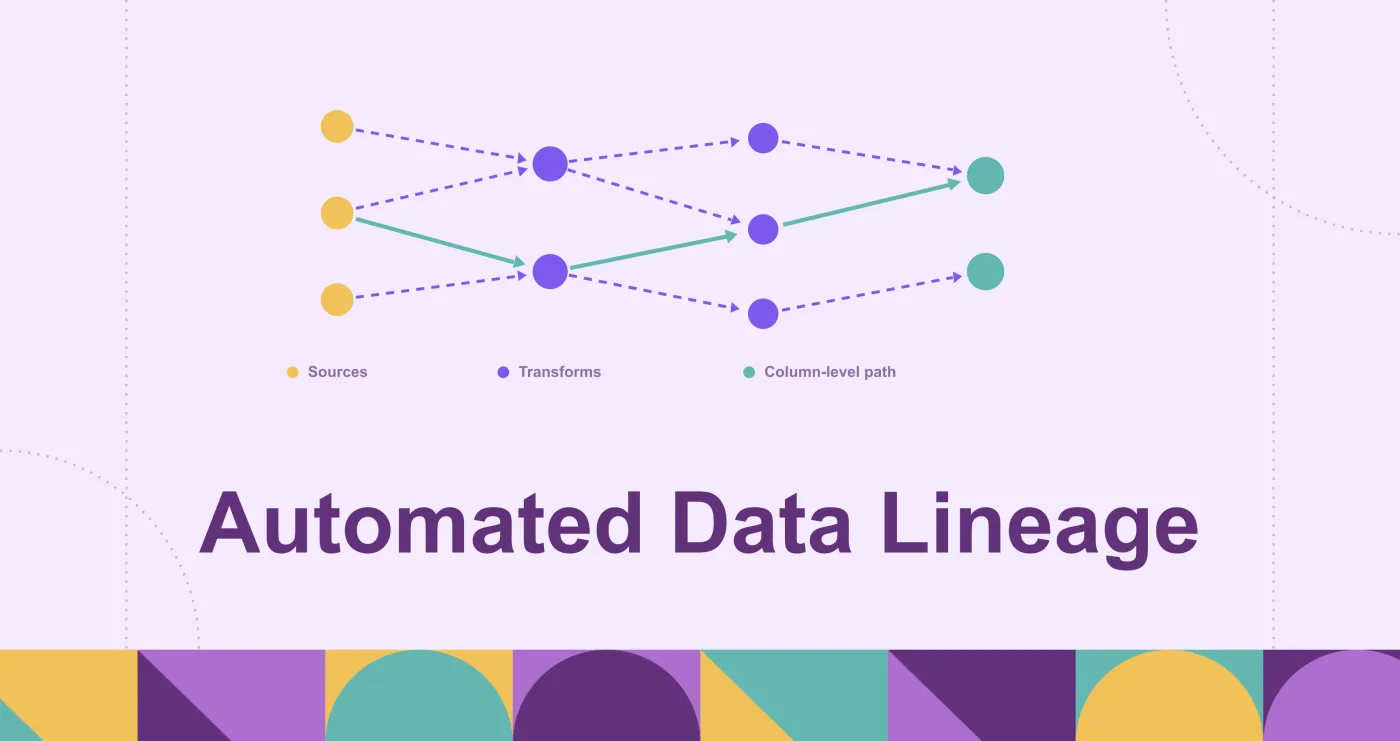
7 Best Automated Data Lineage Tools in 2026
Discover the best automated data lineage tools to track data flow, improve governance, accelerate compliance, and gain end-to-end visibility across your data ecosystem.
Cybersecurity
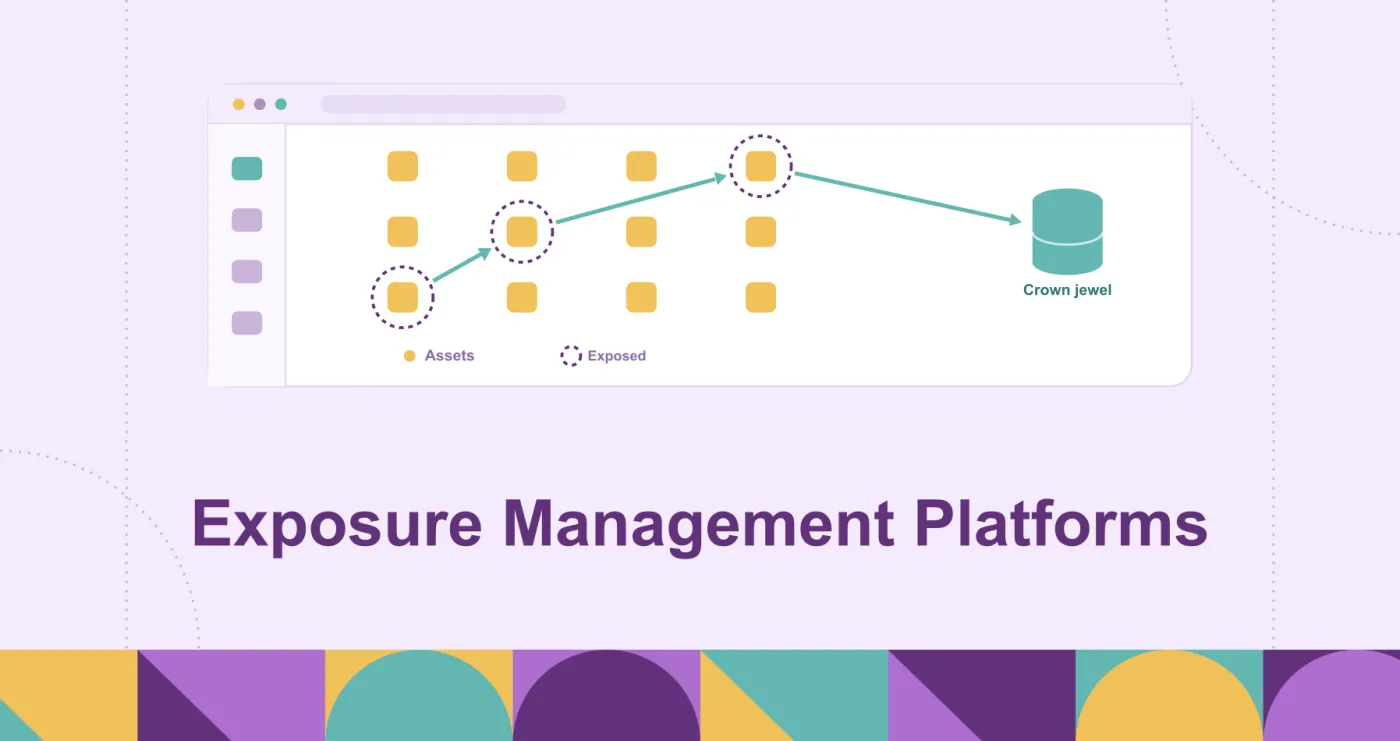
7 Best Exposure Management Tools in 2026
Compare the best exposure management tools based on visibility, risk prioritization, attack path analysis, cloud security, identity risk, and remediation capabilities.
Cybersecurity
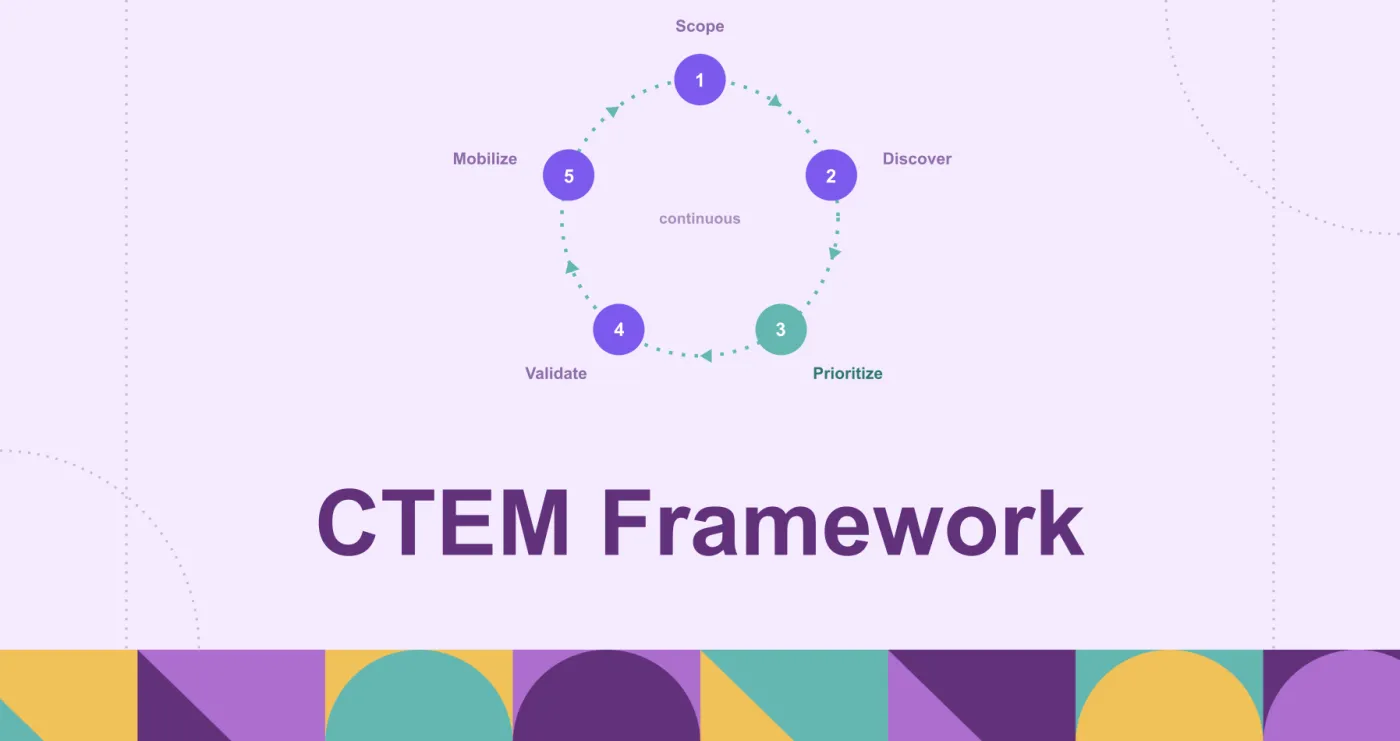
CTEM Framework: Understanding the 5 Stages of Continuous Threat Exposure Management
Explore the CTEM framework, its five stages, core principles, implementation model, and how organizations continuously identify, prioritize, validate, and remediate cyber exposures.
Cybersecurity Graph Analysis
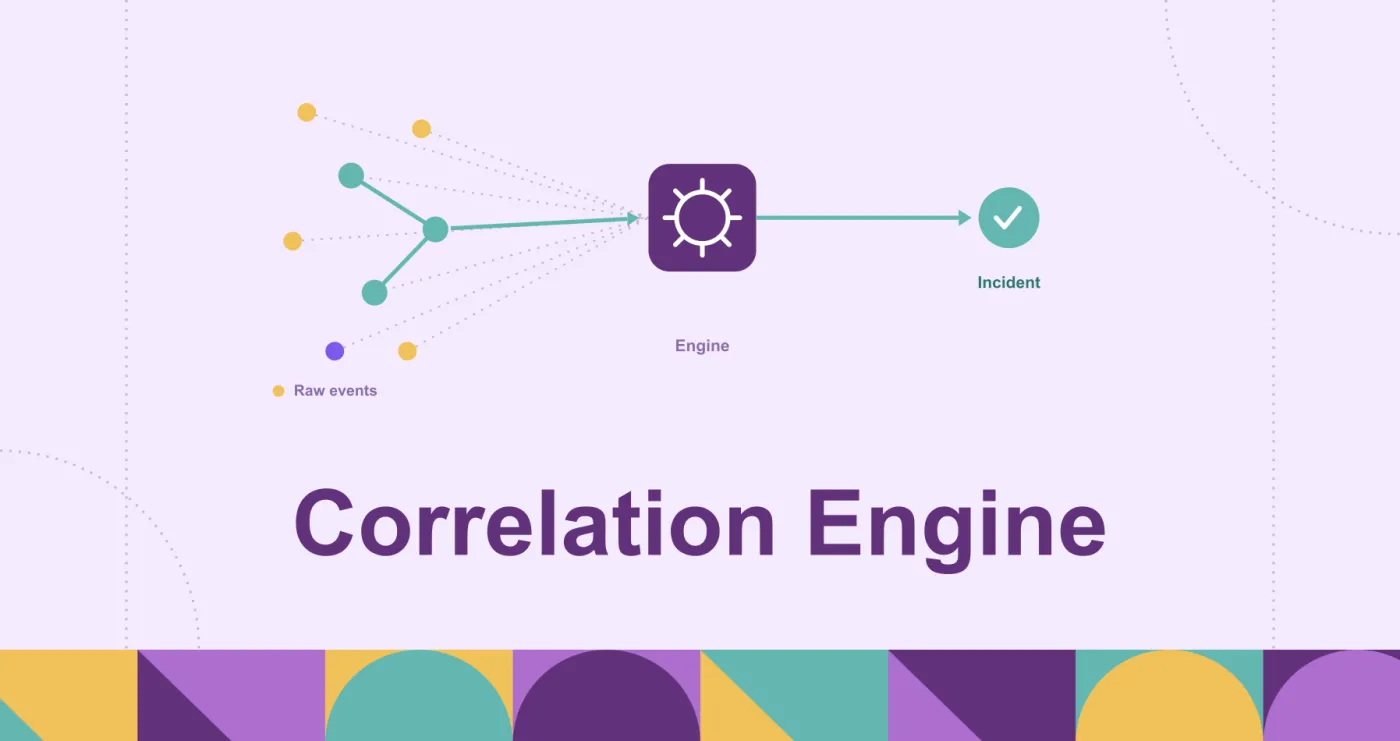
What Is a Correlation Engine?
Learn what a correlation engine is, how it works, its architecture, benefits, use cases, and role in cybersecurity, observability, and real-time threat detection.
Database Concept
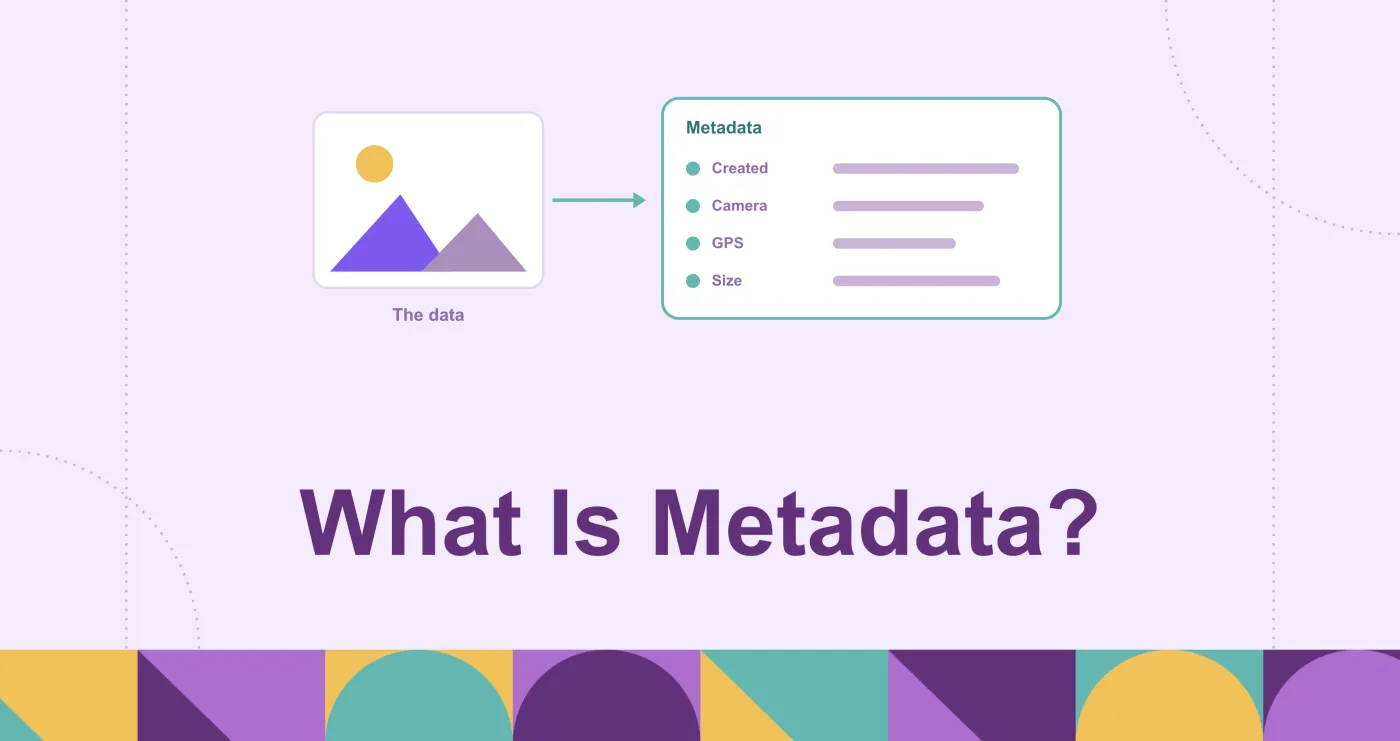
What Is Metadata? Types, Examples, Benefits
Learn what metadata is, how it works, its different types, real-world examples, benefits, challenges, and best practices for effective data management.
AI/ML
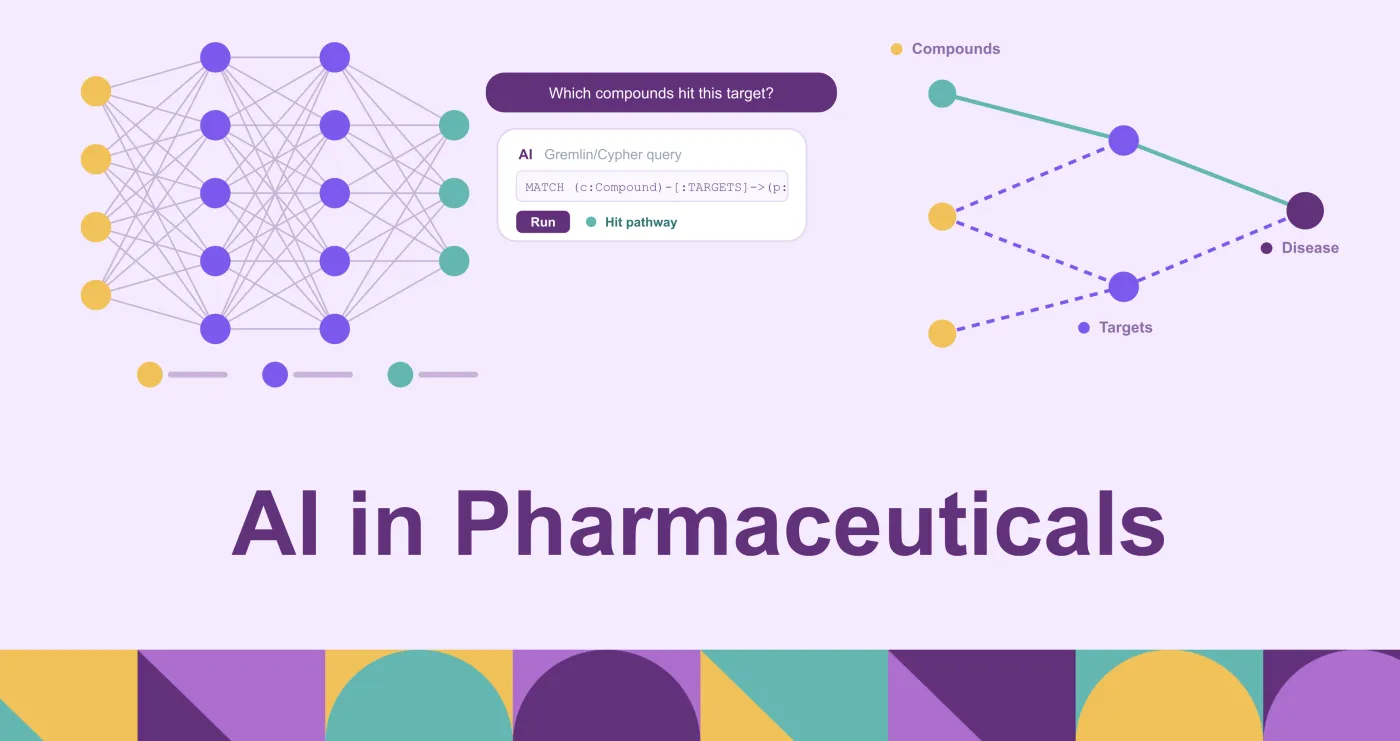
AI in Pharmaceuticals: Applications, Benefits & Examples
Learn how AI in pharmaceuticals is accelerating drug discovery, clinical trials, manufacturing, and patient outcomes with real-world applications and examples.
AI/ML
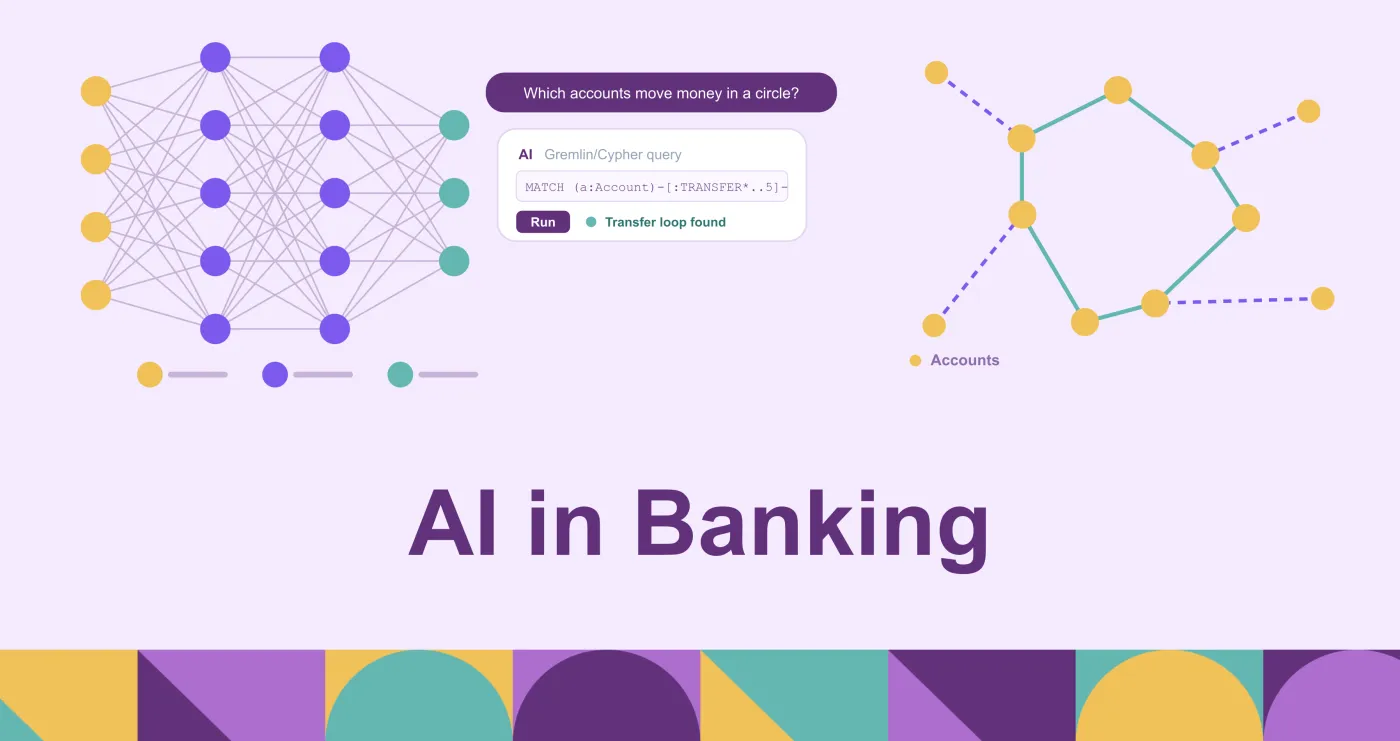
AI in Banking: How To Use in Banks?
Discover how AI in banking is transforming fraud detection, customer service, risk management, lending, and financial operations with real-world examples.
Cybersecurity
What Is Managed IT Security?
Learn what managed IT security is, how it works, its key services, benefits, challenges, and how organizations can strengthen cybersecurity with managed security providers.
AI/ML
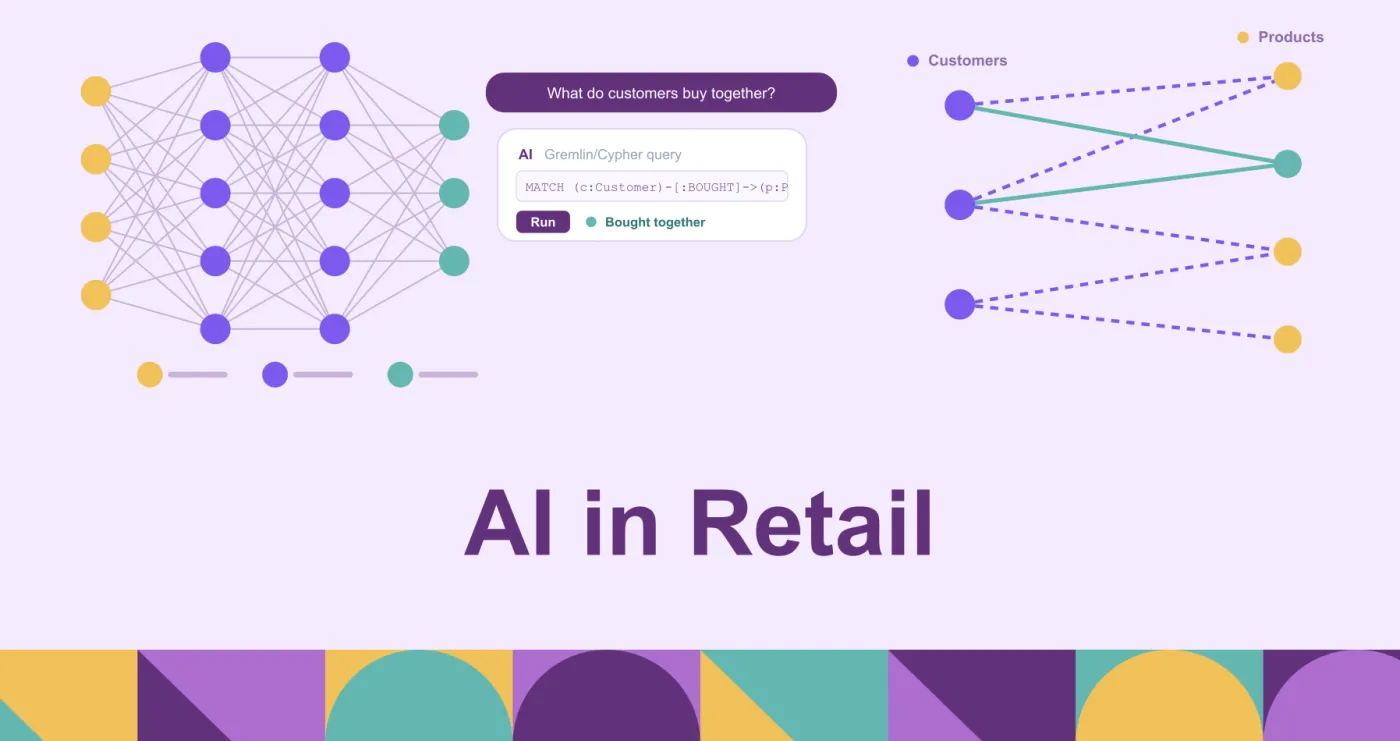
AI in Retail: 10 Use Cases, Benefits, and Examples
Discover how AI in retail is transforming customer experiences, inventory management, pricing, forecasting, and operations with real-world examples and use cases.
AI/ML
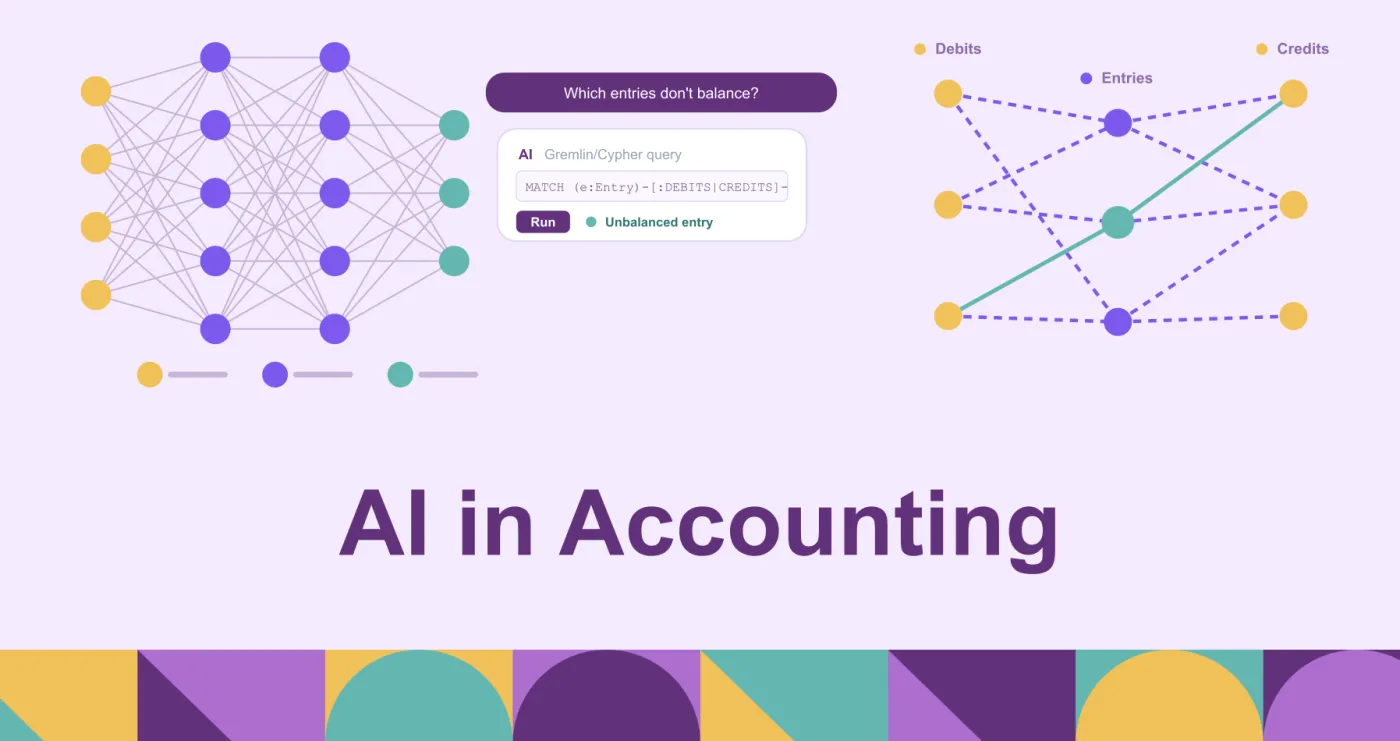
AI in Accounting: 7 Use Cases And Benefits
Learn how AI in accounting automates bookkeeping, financial reporting, auditing, fraud detection, and forecasting while improving accuracy and efficiency.
AI/ML
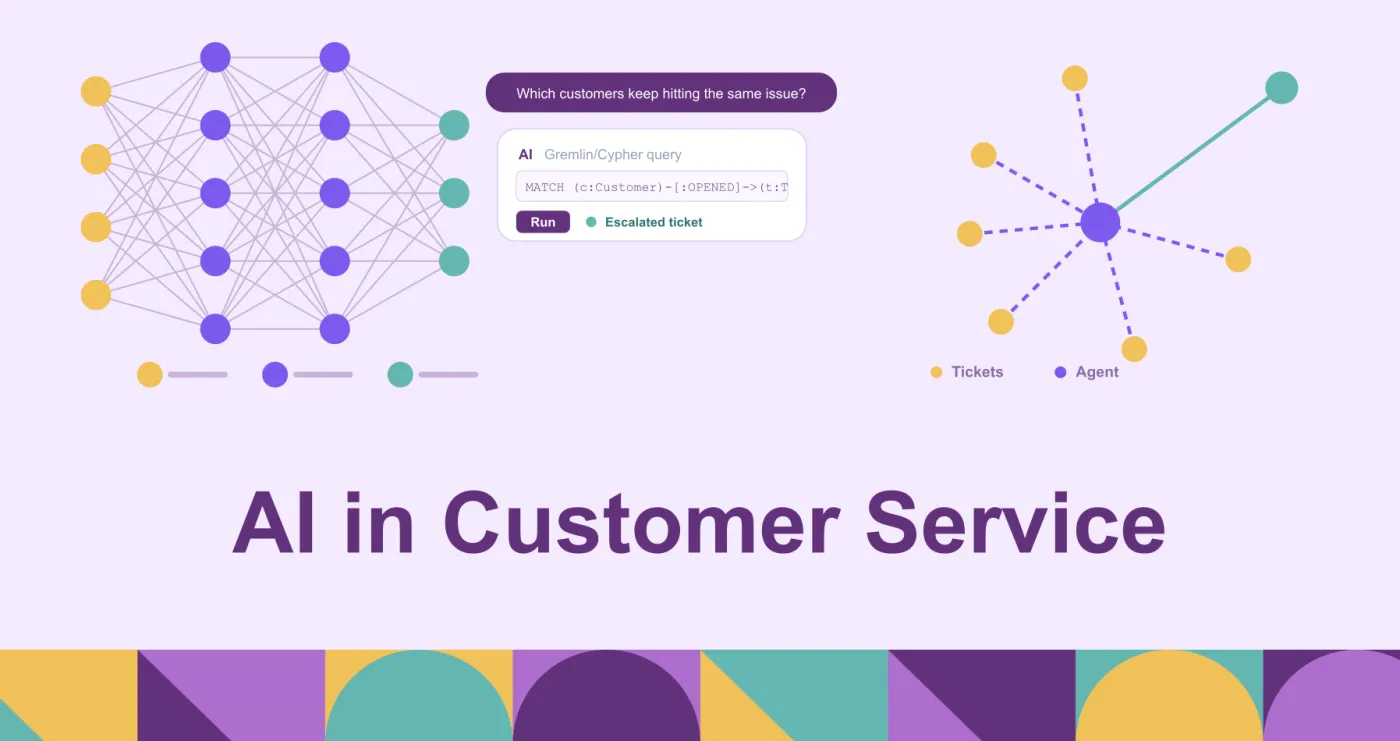
AI in Customer Service: Use Cases, Benefits
Explore how AI in customer service improves support, automates interactions, enhances customer experiences, and reduces operational costs with real-world examples.
Cybersecurity
Enterprise Security Monitoring: How It Works & Best Practices
Enterprise security monitoring gives unified visibility across a large, hybrid estate. Learn how it works, the tool layers, challenges, and best practices.
Cybersecurity
12 Best Enterprise SIEM Tools of 2026
Compare the top enterprise SIEM tools of 2026 by deployment model, detection approach, scale, and cost, and learn how to choose the right platform for your SOC.
Cybersecurity
6 Best Continuous Monitoring Tools of 2026
Compare the best continuous monitoring tools of 2026 across infrastructure, applications, logs, cloud security, and compliance to build the right monitoring stack.
Cybersecurity
7 Best Threat Detection Tools of 2026
Compare the best threat detection tools of 2026 across endpoint, network, and SIEM, with detection methods, strengths, limits, and how to choose the right one.
Cybersecurity
5 Best Network Security Management Tools of 2026
Compare the best network security management tools of 2026 for firewall policy management, configuration, access control, and compliance across your network.
Cybersecurity
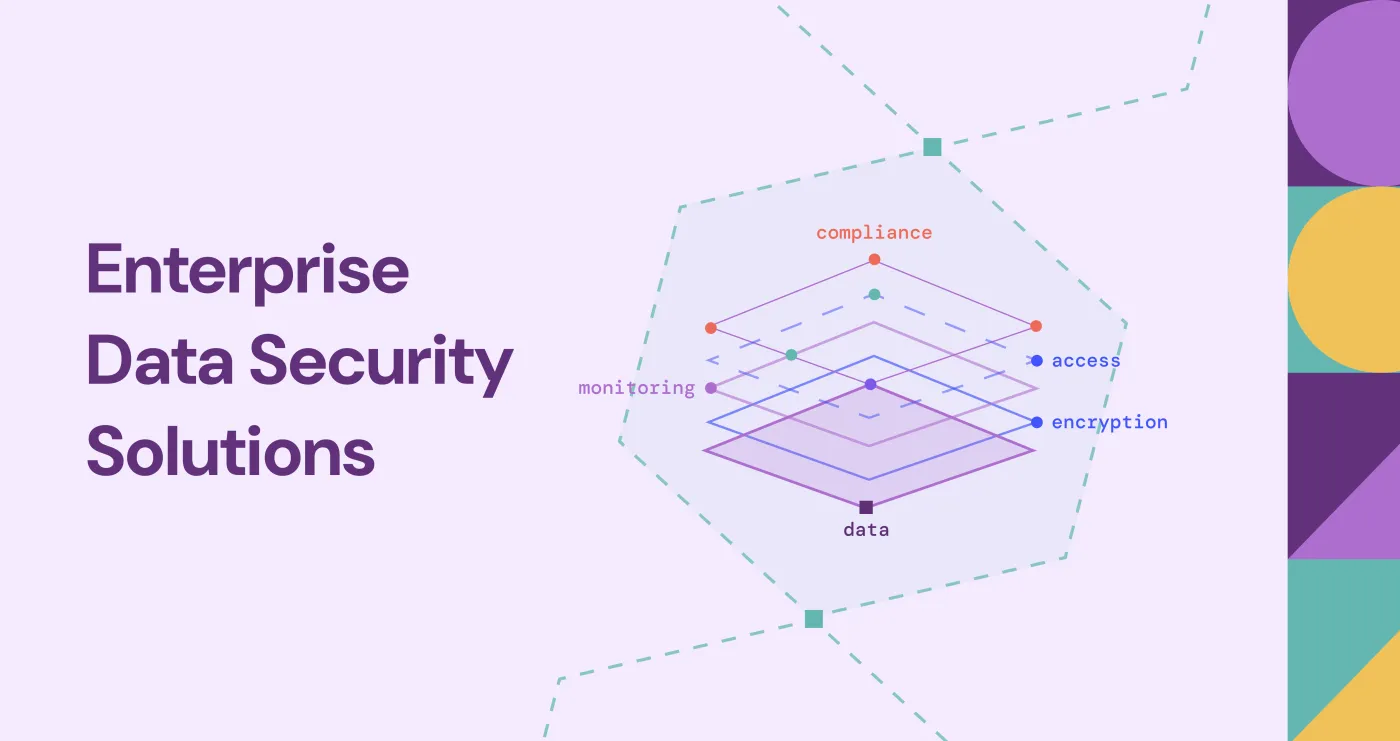
Enterprise Data Security Solutions: Types and Best Practices
A guide to enterprise data security solutions: the main categories (DLP, encryption, DSPM, access governance, and more), how to choose, and best practices.
Cybersecurity
Continuous Security: What It Is, Practices, and Best Practices
Continuous security treats security as an ongoing, automated process across the lifecycle instead of point-in-time gates. Learn how it works and best practices.
Cybersecurity
6 Best Network Security Monitoring Tools of 2026
Explore top network security monitoring tools for real-time threat detection, traffic visibility, performance monitoring, and stronger cybersecurity operations.
LLM
RAG vs LLM: Key Differences, Use Cases & How They Work
Compare RAG vs LLM to understand their differences, architecture, benefits, limitations, and use cases for building accurate AI applications.
Cybersecurity
Continuous Security Monitoring: How It Works & Best Practices
Continuous security monitoring tracks controls, vulnerabilities, and threats in real time to manage risk. Learn how it works, key frameworks, and best practices.
Cybersecurity
Threat Monitoring: How It Works, Types, and Best Practices
Threat monitoring continuously collects and correlates security telemetry to surface attacker activity. Learn how it works, the main types, and best practices.
Cybersecurity
7 Best Cloud Security Monitoring Tools in 2026
Explore top cloud security monitoring tools and why cloud environments need graph analytics to connect risks, permissions, and attack paths across layers.
Cybersecurity
7 Best Cybersecurity Monitoring Tools in 2026
Compare top cybersecurity monitoring tools and learn why visibility alone is not enough without connected context across alerts, identities, cloud, and attack paths.
Cybersecurity
Cyber Risk Monitoring: A Graph-First Approach
Learn how cyber risk monitoring improves with a graph-first approach that connects identities, assets, vulnerabilities, and attack paths in real time.

No guides match your search.
Start free. Pay when it goes to production.
Contact us for any questions about capabilities, sizing and support.
* No payment required to start either one.
$ docker run -p 8081:8081 \
  -p 8182:8182 -p 7687:7687 \
  puppygraph/puppygraph:latestPulling puppygraph/puppygraph:latestStarting PuppyGraphWeb console listening on 0.0.0.0:8081Gremlin endpoint listening on 0.0.0.0:8182PuppyGraph is running# no pipelines · no second database · no data movement